
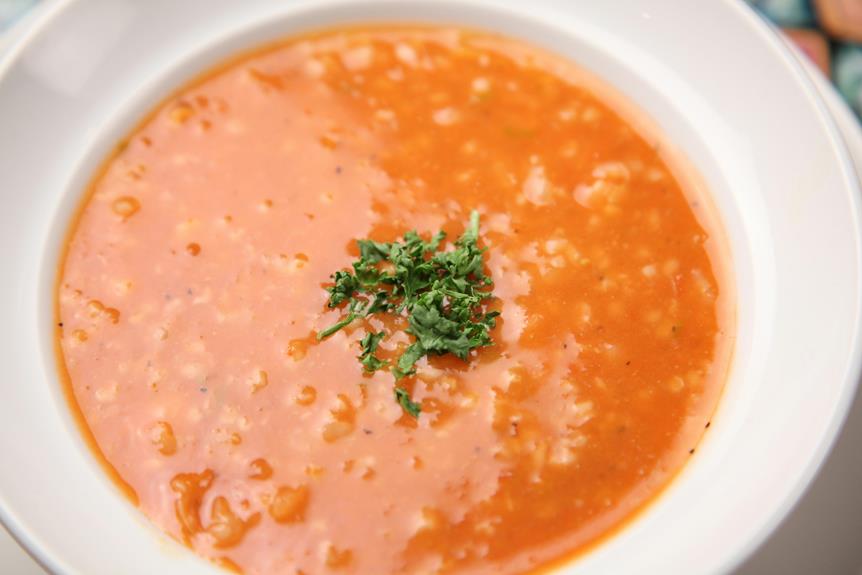
You're about to discover the secret to elevating your soups and stews with a pinch of sophistication: mastering the art of pepper. Pepper introduces a complex flavor profile that amplifies flavors, stimulates appetite, and makes dishes more vibrant and engaging. From sweet and smoky peppers like Pimenton and Chipotle to mild and fruity peppers like Anaheim and Bell, each variety brings a unique flavor dimension. Black pepper, a staple in many cuisines, adds a sharp, pungent flavor, while white pepper provides a subtle, slightly sweet one. Now, discover how to select the right pepper type, balance flavors with acidity, and pair peppers with ingredients to create harmonious and bold soups and stews that will leave you wanting more.
Key Takeaways
- Pepper introduces a complex flavor profile that elevates soups and stews by amplifying flavors, stimulating appetite, and making dishes more vibrant.
- Selecting the right pepper type, such as sweet and smoky or mild and fruity, depends on the desired flavor profile and regional influences.
- Black pepper is a staple that adds a sharp, pungent flavor, while white pepper provides a subtle, slightly sweet flavor that adds depth without overpowering.
- Smoked peppercorns release a rich, velvety flavor dimension, and green peppercorns burst with freshness, injecting a lively, herbaceous flavor.
- Balancing pepper with acidity, such as citrus or vinegar, creates an interplay that benefits soups and stews, cutting through richness and elevating flavor profiles.
Pepper's Flavor Profile Explained
When you add pepper to your soups and stews, you're introducing a complex flavor profile that can elevate the entire dish.
This ancient spice has been a staple in cuisines around the world for centuries, and its cultural significance can't be overstated.
From traditional Indian curries to hearty Italian stews, pepper is an essential component that adds depth and warmth to a variety of flavors.
But what makes pepper so effective?
The answer lies in flavor psychology.
When you taste pepper, the piperine in the spice triggers a chemical reaction that enhances the sensitivity of your taste buds.
This means that pepper can amplify the flavors of other ingredients, making your dish more vibrant and engaging.
Additionally, pepper's spicy kick can also stimulate your appetite, making you more receptive to the aromas and flavors of your meal.
Types of Pepper for Soups
With a vast array of pepper varieties to choose from, you can select the perfect type to complement the unique flavors and textures of your soups.
Each pepper variety boasts its own distinct flavor profile, originating from different regions and climates.
For instance, sweet and smoky peppers like Pimenton from Spain or Chipotle from Mexico add a depth of flavor to hearty stews.
On the other hand, mild and fruity peppers like Anaheim or Bell peppers from California bring a pop of color and freshness to lighter soups.
When selecting a pepper type, consider the flavor profile you want to achieve.
If you're looking for a bold and spicy kick, peppers like Habanero or Scotch Bonnet from the Caribbean might be the way to go.
For a more subtle warmth, Tellicherry or Malabar peppers from India could be the perfect choice.
By understanding the pepper origins and flavor profiles, you can thoughtfully pair the right pepper with your soup, elevating the overall flavor experience.
With so many options available, you're sure to find the perfect pepper to take your soups to the next level.
Black Pepper's Classic Role
You likely already have a staple pepper in your pantry that's been elevating your soups for years: black pepper.
This timeless spice has a rich culinary heritage, dating back thousands of years. It's no wonder it's a staple in many cuisines around the world.
When it comes to soups and stews, black pepper plays a classic role in flavor enhancement. It adds a sharp, pungent flavor that complements a wide range of ingredients.
Whether you're making a hearty beef stew or a comforting chicken noodle soup, black pepper is the perfect addition. It's also incredibly versatile, pairing well with herbs like thyme and rosemary, and spices like cumin and paprika.
By adding black pepper to your soups, you'll experience a depth of flavor that's hard to achieve with other spices. So, don't be afraid to get creative and experiment with different amounts and combinations to find the perfect balance for your taste buds.
With black pepper, the possibilities are endless!
White Pepper's Subtle Nuances
Several cultures, particularly in Asian and European cuisines, have long prized white pepper for its subtle, slightly sweet flavor that adds depth to soups and stews without overpowering them.
You might be surprised to learn that white pepper is actually the inner seed of the peppercorn, stripped of its outer shell, which gives it a distinct flavor profile compared to black pepper.
This unique flavor is often described as having a White Complexity, with subtle Flavor Undertones that enhance the overall taste of your dish.
When using white pepper in your soups and stews, consider the following benefits:
- Balances flavors: White pepper's subtlety won't overpower other ingredients, allowing each flavor to shine.
- Adds depth: Its slightly sweet and earthy notes add a new dimension to your dish.
- Complements delicate ingredients: White pepper won't overwhelm sensitive flavors, making it perfect for soups with fish or poultry.
- Enhances spices: White pepper pairs well with other spices, amplifying their flavors without dominating them.
- Creates a smooth finish: Its subtle flavor provides a smooth, rounded finish that won't leave a bitter aftertaste.
Smoking Out Deep Flavors
Smoked peppercorns release a rich, velvety flavor dimension in soups and stews, perfect for those seeking a deeper, more complex taste experience.
When you add smoked peppercorns to your slow-cooked soups and stews, the heat breaks down the intricate flavor compounds, releasing a profound, savory flavor that complements the other ingredients.
As the flavors meld together, you'll notice the smoky undertones enhance the overall depth of your dish.
You're creating flavor layers, and smoked peppercorns are the perfect addition to your repertoire.
By incorporating them into your recipes, you're adding a sophisticated dimension that will elevate your soups and stews from ordinary to extraordinary.
The slow cooking process allows the flavors to meld together, resulting in a rich, velvety texture that coats your palate.
With smoked peppercorns, you're not just adding heat; you're adding complexity, depth, and a hint of sophistication to your dishes.
Green Pepper's Fresh Perspective
Green peppercorns burst with freshness, injecting a lively, herbaceous flavor into soups and stews that's perfect for balancing rich or heavy ingredients. You'll love how they add a bright, revitalizing quality to your dishes.
As you explore the world of green peppers, you'll discover they're a key component in the iconic Green Goddess dressing, where they harmonize with creamy avocado and tangy herbs.
Green peppercorns can be used in various ways to bring out their flavor and aroma in soups and stews:
- Add them whole to your pot for an infusion of fresh flavor
- Grind them into a coarse powder for a burst of herbal goodness
- Use them to make a flavorful oil by steeping them in olive oil
- Pair them with creamy ingredients like sour cream or coconut milk
- Enjoy their crunchy texture as a garnish or added to soups at the last minute
Balancing Flavor With Acidity
Your soups and stews can benefit greatly from the interplay of acidity and pepper, as a splash of citrus or vinegar helps to cut through richness, allowing the nuances of pepper's flavor to shine.
Acidic ingredients like tomatoes, citrus, or vinegars can create an acidic balance that elevates the entire flavor profile of your dish.
When you add pepper to the mix, the acidity helps to bring out its unique characteristics, making it a crucial component of your flavor profiles.
As you experiment with different types of peppers, you'll find that some pair better with acidic ingredients than others.
For instance, the bright, citrusy flavor of a green pepper is enhanced by a squeeze of fresh lemon juice.
Meanwhile, the smoky heat of a chipotle pepper is balanced by the tang of a rich tomato sauce.
By finding the right balance of acidity and pepper, you can create complex, layered flavor profiles that will leave your taste buds wanting more.
The Art of Pepper Pairing
As you're now familiar with how acidity can bring out the best in pepper, it's time to explore the art of pairing peppers with other ingredients to create harmonious flavor combinations.
This is where regional preferences come into play, as different cultures have their own unique approaches to pairing peppers with other ingredients. For instance, in some Asian cuisines, peppers are often paired with ginger and garlic to create a bold and aromatic flavor profile.
To master the art of pepper pairing, consider the following tips:
- Balance sweet and heat: Pair sweet ingredients like carrots or sweet potatoes with spicy peppers for a harmonious contrast.
- Complement earthy flavors: Earthy ingredients like mushrooms or lentils pair well with earthy peppers like bell peppers or Anaheim peppers.
- Cut richness with brightness: Bright, acidic peppers like jalapeños or serrano peppers can cut through rich ingredients like coconut milk or heavy meats.
- Enhance umami flavors: Peppers can enhance umami flavors in ingredients like soy sauce or miso paste, adding depth to your dish.
- Experiment with flavor contrasts: Don't be afraid to pair peppers with ingredients that have contrasting flavor profiles, like smoky peppers with bright citrus flavors.
Common Mistakes to Avoid
Several common mistakes can undermine the flavor and texture of your pepper-enhanced soups and stews, and being aware of them is key to avoiding a mediocre dish.
One of the most critical mistakes is over-peppering. You might think that adding more pepper will intensify the flavor, but it can quickly become overwhelming. Over-peppering risks dominating the other ingredients and leaving your dish tasting bitter.
On the other hand, under-seasoning is also a danger. If you're too cautious with your pepper, your soup or stew might lack depth and warmth. You must find a balance that complements the other flavors.
Another mistake is adding pepper too early in the cooking process. This can cause the pepper to lose its potency and flavor.
Instead, add pepper towards the end of cooking, so the flavors can meld together. By being mindful of these common mistakes, you can create a harmonious and delicious pepper-enhanced soup or stew that will impress anyone.
Frequently Asked Questions
Can I Use Pepper to Mask Bitter Flavors in My Soup?
You can use pepper to mask bitter flavors in your soup, but be cautious not to overdo it, as it may disrupt the balance; instead, try balancing bitter flavors with sweet or umami notes to achieve a harmonious flavor profile.
How Do I Store Pepper to Preserve Its Flavor and Aroma?
You've heard that grinding pepper just before use preserves flavor, but is it true? Yes, it's a game-changer! Fresh grinding releases oils, so store peppercorns in a cool, dark place and grind as needed to enjoy the full flavor of various pepper varieties.
Is It Safe to Consume Pepper if I Have Stomach Issues?
If you have stomach issues, you're right to wonder if it's safe to consume pepper. Your pepper tolerance depends on your individual digestive health; if you experience discomfort, consider reducing or avoiding it to alleviate symptoms.
Can I Substitute Pepper With Other Spices in a Recipe?
"Fasten your seatbelts, culinary time-traveler! When substituting pepper in a recipe, you can experiment with Spice Blends like curry powder or chili powder to alter Flavor Profiles, but be prepared for a wild ride of taste bud exploration!"
Does the Color of Pepper Affect Its Heat Level?
You're wondering if the color of pepper affects its heat level? Generally, no, it doesn't; heat profiles vary among pepper varieties, but color isn't a reliable indicator – you'll need to research each type's unique characteristics.
Conclusion
As you master the art of pepper in soups and stews, your flavor profile unfolds like a rich tapestry, woven with threads of boldness, subtlety, and freshness.
Each type of pepper adds a distinct chapter to the story, balancing and harmonizing with other ingredients.
With every spoonful, the symphony of flavors resonates, leaving a lasting impression on your taste buds.
Now, go forth and season with confidence, as the pepper's magic transforms your creations into culinary masterpieces!