Homemade vanilla extract has become increasingly popular among home cooks and baking enthusiasts. What was once a specialty item made by artisans is now a common DIY project in kitchens everywhere. The reason? It’s easy to make your own vanilla extract at home, and it requires just two main ingredients and minimal effort.

The trend of making vanilla extract at home continues to grow, and it’s easy to see why. Store-bought vanilla extract can be expensive, especially if you bake frequently. When you make your own, you’ll save money while having complete control over the quality and flavor intensity of your extract. You’ll know exactly what goes into your bottle—no mystery additives or artificial flavors.

In this article, we will guide you through the process of making your own vanilla extract at home from scratch, using simple ingredients and tools you likely already have. You’ll discover how this straightforward project can transform your baking and cooking while delivering impressive vanilla extract benefits that extend far beyond taste.

Understanding Vanilla Extract

What is vanilla extract?

Vanilla extract is a concentrated solution created by steeping vanilla beans in alcohol. This process draws out the complex flavor compounds from the beans, creating a potent liquid that transforms ordinary recipes into extraordinary culinary experiences. When you add vanilla extract to your baked goods, desserts, or even savory dishes, you’re introducing hundreds of aromatic compounds that enhance and complement other flavors rather than overpowering them.

The ingredients behind vanilla extract

The magic of vanilla extract lies in its ingredients—specifically, two essential components working in harmony:

  1. Vanilla Beans: High-quality vanilla beans contain vanillin and numerous other flavor compounds that give vanilla its distinctive taste and aroma.
  2. Alcohol: The alcohol acts as the extraction medium, pulling these precious compounds from the beans and preserving them in liquid form. You need a high-proof alcohol (at least 70 proof or 35% alcohol by volume) to effectively extract and maintain these flavors over time.

Choosing the right type of vanilla bean

When learning how to make vanilla extract, understanding the types of vanilla beans available will help you create an extract that matches your taste preferences:

Madagascar (Bourbon) Vanilla Beans

These beans dominate the market for good reason. You’ll experience a creamy, rich flavor with sweet undertones that work beautifully in classic baking applications like cookies, cakes, and custards.

Mexican Vanilla Beans

If you prefer a bolder profile, Mexican beans deliver a woodsy, warm character with subtle spice notes. They pair exceptionally well with chocolate and cinnamon-based recipes.

Tahitian Vanilla Beans

These beans stand apart with their floral, fruity notes. You’ll notice they’re more aromatic and delicate, making them ideal for light desserts, fruit-based dishes, and beverages.

Each variety brings its own personality to your homemade extract, allowing you to customize your flavor profile based on how you plan to use it in your kitchen.


Choosing Quality Ingredients for Your Homemade Vanilla Extract


Vainilla-k2zB--620x349@abc
The key to making amazing homemade vanilla extract is using the right ingredients. When you’re ready to make your own vanilla extract, the first thing you need to decide is which vanilla beans to use in order to achieve the flavor you want.

Selecting the Right Vanilla Beans

Madagascar vanilla beans are the most popular choice for home extract makers. These beans have a creamy, sweet, and rich flavor that is familiar to many people. If you’re looking for a versatile extract that works well in cookies, cakes, and custards, Madagascar beans are the best option. Their classic taste makes them perfect for beginners who are learning how to make vanilla extract.

Mexican vanilla beans offer a unique flavor profile. They have earthy undertones and warm spice notes similar to cinnamon and clove. These beans work particularly well in recipes that involve chocolate, spiced desserts, or even savory dishes. I’ve discovered that Mexican vanilla adds an unexpected depth to mole sauces and coffee-based beverages.

Tahitian vanilla beans are different from other varieties because they have floral and fruity flavors. These beans contain less vanillin compared to others, resulting in a more delicate and fragrant extract. You’ll find Tahitian vanilla works wonders in desserts featuring fruits, ice creams, or drinks where you want a subtle and refined vanilla taste instead of an overpowering one.

When buying vanilla beans, you’ll come across two grades: Grade A vs Grade B. Grade A beans are plump, moist, and visually appealing—ideal for recipes where you want the specks of vanilla to be visible. On the other hand, Grade B beans are drier and less expensive but actually preferred for making extracts. The lower moisture content means more concentrated flavor compounds which makes them cost-effective for your extraction projects.

Selecting the Right Alcohol Base for Extraction

The standard choice for making vanilla extract is vodka. This neutral spirit won’t interfere with or hide the delicate flavors of the vanilla. It’s important to use high-proof alcohol for extraction, aiming for 70 proof or higher (minimum 35% alcohol by volume). The alcohol acts as a solvent that pulls out the flavorful compounds from the vanilla and preserves them.

However, you can also try using rum if you prefer a sweeter and more complex extract or bourbon if you want an additional layer of richness in your final product.

Benefits Beyond Taste: Why You Should Try Making Your Own Vanilla Extract Today!

Making your own vanilla extract delivers advantages that extend far beyond the kitchen. You’ll discover that this simple DIY project transforms the way you think about pantry staples and ingredient quality.

Cost savings

Cost savings stand out as one of the most compelling reasons to start infusing vanilla in alcohol at home. A single bottle of premium vanilla extract from the grocery store can set you back $15 to $30 for just a few ounces. When you make your own, you’re investing in vanilla beans and alcohol that will produce significantly more extract at a fraction of the cost. You can create 8 ounces of high-quality extract for roughly the same price as a 2-ounce store-bought bottle.

Complete control over flavor

You gain complete control over your extract’s flavor profile and intensity. Want a more robust vanilla presence in your baked goods? Simply add more beans to your jar. Prefer a subtle hint of vanilla? Use fewer beans or dilute your finished extract. This level of customization is impossible with commercial products, where you’re stuck with whatever the manufacturer decided to bottle.

Quality assurance

The quality assurance aspect cannot be overstated. You know exactly what goes into your extract—just vanilla beans and alcohol. No artificial flavors, no corn syrup, no mysterious additives that appear on store-bought labels. You’re creating a pure, natural product that aligns with clean eating principles.

Exploring Creative Uses Beyond Baking With Your Homemade Extracts!

Your homemade vanilla extract deserves a starring role beyond cookies and cakes. You can elevate your morning coffee or tea with just a few drops, creating a café-quality beverage at home. Add it to smoothies for depth, or stir it into oatmeal for a comforting breakfast upgrade.

Savory applications might surprise you. A dash of vanilla extract enhances marinades for pork or chicken, adding subtle sweetness that balances spicy or acidic components. You can incorporate it into homemade salad dressings or even add a drop to tomato-based sauces for complexity.

Gift-giving opportunities abound with homemade vanilla extract. Pour your finished product into small amber bottles, attach handwritten labels with the extraction date and bean variety, and you’ve got a thoughtful gift idea that’s not only personal but also budget-friendly, as suggested in this article on gift-giving on a budget.


Even More Benefits Beyond Taste: Why You Should Try Making Your Own Vanilla Extract Today!

The benefits homemade vanilla extract offers extend far beyond the rich, aromatic flavor you’ll achieve. When you learn how to make vanilla extract at home, you’re making a smart financial decision. A single bottle of premium vanilla extract at the grocery store can cost anywhere from $15 to $30, while a batch of homemade extract using the same quality beans costs significantly less per ounce. You can produce multiple bottles from a single batch, and the best part? You can keep replenishing your jar with more alcohol as you use it, making your initial investment last for years.

You gain complete control over your extract’s intensity and flavor profile. Want a more robust, concentrated vanilla flavor? Simply add more beans to your jar or let it age longer. Prefer a subtle hint of vanilla? Use fewer beans or bottle it earlier in the aging process. This level of customization is impossible with store-bought options.

The transparency of knowing exactly what goes into your extract matters. You’re using just two ingredients—vanilla beans and alcohol—with no artificial additives, corn syrup, or mysterious “natural flavors” that appear on commercial labels. You choose the quality of every component that ends up in your kitchen.

Exploring Creative Uses Beyond Baking With Your Homemade Extracts!


Homemade Vanilla Extract (4107750384)
Your homemade vanilla extract isn’t limited to cookies and cakes. You can add a few drops to your morning coffee or tea for a naturally sweet flavor without added sugar. Mix it into homemade whipped cream, yogurt parfaits, or smoothies for an instant flavor upgrade. You’ll find it transforms savory dishes too—a splash in marinades or salad dressings adds unexpected depth.

The gift-giving potential of homemade vanilla extract is remarkable. Transfer your extract into small amber bottles, attach a handwritten label with the date and bean variety, and you’ve created homemade vanilla gift ideas that feel personal and luxurious. Include a recipe card or usage suggestions tied with twine for an extra thoughtful touch. Friends and family who cook or bake will appreciate this practical yet elegant present far more than generic store-bought items.

You can even create vanilla sugar by placing spent vanilla beans in a jar of granulated sugar

FAQs (Frequently Asked Questions)

What is vanilla extract and why is it popular among home cooks?

Vanilla extract is a flavorful liquid made by infusing vanilla beans in alcohol, commonly used to enhance the taste of various dishes and baked goods. Its popularity among home cooks has grown due to its simplicity, cost-effectiveness, and the ability to customize flavor profiles when made at home.

What types of vanilla beans are best for making homemade vanilla extract?

The most popular vanilla beans for homemade extract include Madagascar Bourbon, Mexican, and Tahitian varieties. Each offers unique flavor profiles: Madagascar Bourbon provides a rich, creamy taste; Mexican beans have a bold, spicy flavor; and Tahitian beans offer a floral and fruity aroma. Selecting high-quality Grade A beans ensures optimal flavor.

Which alcohol should I use to make my own vanilla extract at home?

A neutral spirit like vodka is recommended for making homemade vanilla extract because it doesn’t overpower the vanilla’s natural flavors. However, alternative options such as rum or bourbon can be used if you prefer additional depth and complexity in your extract’s flavor.

How do I make vanilla extract at home step-by-step?

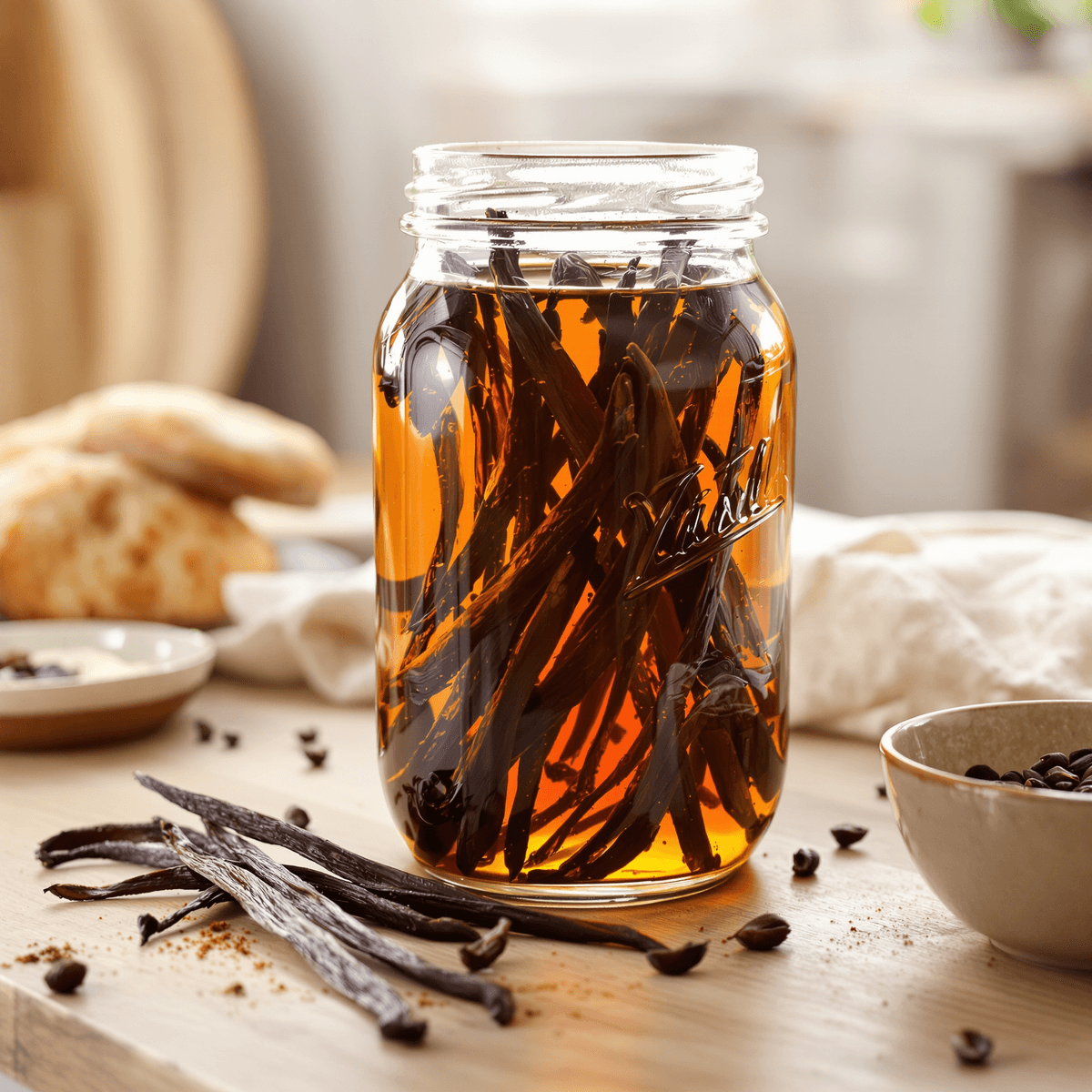
To make homemade vanilla extract, split high-quality vanilla beans lengthwise and place them in a clean glass jar. Pour enough vodka (or chosen alcohol) to fully submerge the beans. Seal the jar tightly and store it in a cool, dark place for at least 8 weeks, shaking occasionally. Over time, the alcohol will infuse with the bean’s flavors, creating rich vanilla extract.

How should I store and maintain my homemade vanilla extract for the best flavor?

Store your homemade vanilla extract in a cool, dark place away from direct sunlight. Aging it for several months enhances its flavor intensity. You can replenish your supply by adding fresh split vanilla beans to the existing extract once you’ve used some, ensuring continuous flavor development over time.

What are the benefits of making my own vanilla extract besides taste?

Making your own vanilla extract offers several advantages beyond superior taste: it’s cost-effective compared to store-bought options; allows full control over the flavor intensity and profile; provides a creative way to use leftover vanilla beans; and makes thoughtful homemade gifts perfect for friends and family.

Powered by junia.ai.
 

  Homemade vanilla extract has become increasingly popular among home cooks and baking enthusiasts. What was once a specialty item made by artisans is now a common DIY project in kitchens everywhere. The reason? It’s easy to make your own vanilla extract at home, and it requires just two main ingredients and minimal effort. The trend of making vanilla extract

The fragrance of pepper can be found in many different types of peppercorns.
You’re about to tap into the full potential of the fragrance of pepper as a scented powerhouse, adding depth and warmth to your scented candles and blends. As you light up, the heat releases the aromatic molecules, teasing your senses and evoking emotions. Pepper’s unique personality traits make it a bold addition, enhancing other ingredients and creating a sense of luxury.

With different types of pepper, like black, white, or green, you can craft unique fragrances that evoke warmth, comfort, and nostalgia. As you explore the art of blending, you’ll discover how to balance pepper’s intensity with floral, citrus, and earthy notes to create one-of-a-kind scents. Now, get ready to ignite your senses and uncover the secrets of the fragrance of pepper.

Key Takeaways

  • Pepper’s pungent personality traits make it a bold, spicy addition to any scent, evoking emotional associations of warmth, comfort, and nostalgia.
  • Balancing pepper with other fragrances is crucial to avoid overpowering them, and floral, citrus, or earthy notes can help achieve harmony.
  • Scent layering with pepper involves combining different essential oils to create a complex, multi-dimensional aroma, and unconventional combinations can create unique scented candles.
  • Pepper can be paired with sweet notes of vanilla and citrusy hints of lemon for a sophisticated scent, and its intensity must be balanced with other fragrances.
  • Pepper essential oil is used in aromatherapy to stimulate circulation and relieve pain, and its cultural associations with wealth, power, and spirituality add depth to fragrance blends.

Unleashing the Fragrance of Pepper’s Potential

As you light a scented candle, the heat from the flame releases the aromatic potential of the fragrance, releasing a warm, inviting aroma that envelops your surroundings.

This sensory exploration ignites an olfactory journey, transporting you to a state of relaxation and tranquility.

The fragrance molecules dance in the air, teasing your senses and evoking emotions.

You breathe in deeply, and the aroma wraps around you, calming your mind and soothing your spirit.

As you explore the scent, you begin to notice the subtle nuances of the fragrance.

The top notes burst forth, followed by the rich, velvety middle notes, and finally, the deep, lingering base notes.

The combination of these fragrance layers creates a complex, harmonious blend that tantalizes your senses.

Your olfactory journey takes you on a winding path of discovery, where every breath reveals a new facet of the aroma.

With each inhalation, you plumb deeper into the essence of the scent, uncovering hidden depths and subtleties that leave you enchanted and mesmerized.

Pepper’s Pungent Personality Traits

You’re about to discover that the fragrance of pepper, with its pungent personality, is the perfect addition to any scent, adding a bold, spicy kick that awakens your senses. As you explore the world of the fragrance of pepper, you’ll find that it’s not just about the aroma – it’s about the emotional associations and culinary symbolism that come with it.

Pepper’s pungent personality traits make it a unique and versatile ingredient for fragrance blends.

Adds depth and complexity: Pepper’s bold, spicy flavor adds a richness to fragrances that’s hard to replicate with other ingredients.

Evokes emotional associations: Pepper is often associated with warmth, comfort, and nostalgia, making it a great addition to scents designed to evoke feelings of coziness and relaxation.

Enhances other ingredients: Pepper has a way of bringing out the best in other fragrances, making it a great complement to floral, woody, or citrus notes.

Creates a sense of luxury: Pepper’s exotic, high-end aroma makes it a popular choice for premium fragrances and scented candles.

Types of Pepper for Fragrance

With pepper’s versatility in fragrance blends established, it’s time to explore the various types of pepper that can be used to create unique and alluring scents.

You might be surprised to learn that there are several varieties of pepper, each with its own distinct flavor profile and aroma.

As you venture into the world of pepper, you’ll discover that each type has its own unique characteristics, shaped by factors like climate, soil, and harvesting methods.

Take black pepper, for instance, which has a sharp, pungent flavor and aroma.

Its pepper history dates back thousands of years, with ancient traders valuing it highly for its preservative properties.

White pepper, on the other hand, has a milder flavor and aroma, with a slightly sweet undertone.

Green peppercorns, often used in Asian cuisine, have a fresh, grassy flavor profile.

As you experiment with different types of pepper, you’ll find that each one brings its own unique personality to your fragrance blends.


Blending Pepper With Other Scents

The key to achieving an aroma balance lies in understanding the unique characteristics of the fragrance of pepper and how it interacts with other scents. When blending pepper with other aromas, you’ll want to bear in mind the intensity and warmth of the pepper, as well as its ability to enhance or overpower other aromas.

To create a spice fusion that’s both balanced and complex, try combining the fragrance of pepper with floral notes like rose or jasmine to add a touch of sweetness.

Citrus scents like lemon or grapefruit can cut through the richness.

Earthy notes like patchouli or cedarwood can ground the blend.

Spicy notes like cinnamon or ginger can amplify the warmth.

Creating Unique Scented Candles

By experimenting with unconventional fragrance combinations and carefully selecting complementary essential oils, you can craft one-of-a-kind scented candles that reflect your personal style and evoke a specific mood or atmosphere.

In candle making, the key to creating unique scents is scent layering. This involves combining different essential oils to create a complex, multi-dimensional aroma.

For instance, you can pair the warm, spicy aroma of pepper with sweet notes of vanilla and citrusy hints of lemon. The result is a sophisticated, inviting scent that’s perfect for a cozy evening at home.

When layering scents, crucial is balancing top, middle, and base notes to achieve harmony. Top notes provide the initial burst of fragrance, middle notes add depth and character, and base notes provide longevity.


Pepper in Perfumery and Beyond

As you venture into the world of scented candles and fragrance, you’re likely to stumble upon pepper, a humble spice that’s been elevating perfumes, culinary dishes, and even spiritual rituals for centuries.

Pepper’s unique warm, spicy, and earthy aroma has captured the hearts of many, and its uses extend far beyond the kitchen. In perfumery, pepper is often used to add depth and complexity to fragrances, particularly in oriental and woody scents.

Pepper has been a prized commodity in ancient trade routes, with a rich historical significance that spans thousands of years.

In some cultures, pepper is believed to possess cultural associations with wealth, power, and spirituality.

Pepper essential oil is used in aromatherapy to stimulate circulation and relieve pain.

In traditional medicine, pepper is used to treat digestive issues and respiratory problems.

As you explore the world of scented candles and fragrance, you may find that pepper becomes a staple in your collection, adding a unique twist to your favorite blends.

Frequently Asked Questions

Can I Use Pepper Essential Oil in Aromatherapy for Stress Relief?

You can definitely use pepper essential oil in aromatherapy for stress relief, as it promotes mental clarity and emotional balance, helping you feel more centered and focused, while also reducing anxiety and tension.

Is Pepper Fragrance Suitable for People With Sensitive Skin?

You should exercise caution when using pepper fragrance, as it can trigger skin reactivity in you, especially if you have sensitive skin, and bear in mind allergy concerns before applying it to your skin.

Can I Grow My Own Pepper Plants for Fragrance Production?

You’re curious about cultivating your own pepper plants, but can you handle the challenge? Yes, you can! Choose the right Pepper Varieties, guarantee suitable Soil Conditions, and with proper care, you’ll be harvesting fragrant peppers in no time!

Are Pepper-Scented Candles Safe to Use Around Pets?

You’re right to wonder: are pepper-scented candles safe around pets? As a pet owner, you should know that household risks exist, like toxic fumes or allergic reactions, so you must choose pet-friendly candles or opt for alternative fragrance methods.

Can Pepper Fragrance Be Used in Homemade Soap Recipes?

You’re wondering if pepper fragrance can be used in homemade soap recipes. Truth is, it’s possible, but be cautious with fragrance levels, as pepper’s pungency can overpower soap textures, creating an overwhelming experience for skin.

Conclusion

As you extinguish the flame of your pepper-infused candle, the lingering aroma whispers sweet nothings, beckoning you to return to the spice route of old.

Like Marco Polo, you’ve traversed the domains of pepper’s pungent personality, discovering hidden treasures in its fragrance blends.

And now, as the scent wafts away, you’re left with the haunting memory of a thousand and one nights, forever changed by the aromatic power of the fragrance of pepper.

Glimpse the untapped potential of pepper as a fragrance powerhouse, and discover how to harness its bold, warm essence in scented candles and blends.


You’re looking for a natural and effective way to deter pests, and you’re wondering how to use black pepper for natural pest control. Black pepper can be a powerful ally in your quest for a pest-free home and garden. Having been used for centuries to repel pests, black pepper’s potency lies in its piperine, a bioactive compound that disrupts pests’ nervous systems. By mixing it with other spices, adding it to cooking recipes, or using it as a spray, you can create a natural pest repellent. Effective pest control methods involve combining natural deterrents like black pepper with physical barriers and traps. You’re one step closer to a pest-free space – what’s next?

Key Takeaways

  • Black pepper’s natural insecticidal properties, due to piperine, disrupt pests’ nervous systems, leading to their demise.
  • Mixing black pepper with other spices creates a natural pest repellent spray, effective against ants, cockroaches, mice, and fleas.
  • Combining black pepper with physical barriers, traps, and other natural methods creates a multi-pronged defense against pests.
  • Using freshly ground black pepper in cooking recipes, particularly those with high-water content, can create a pest-deterring effect.
  • Black pepper can be used in various flavor profiles to create a pest-repelling effect, making it a versatile natural pest control solution.

Understanding Black Pepper’s Power

You may be surprised to learn that black pepper, a common spice found in many kitchens, has natural pest control properties that have been utilized for centuries.

As you explore the world of pepper history, you’ll discover that ancient civilizations, such as the Egyptians and Romans, valued black pepper not only as a flavor enhancer but also as a natural remedy to repel pests.

In fact, pepper was used to preserve food and prevent spoilage, which, in turn, helped to reduce pest infestations.

The secret behind using black pepper for natural pest control lies in its chemical composition.

Piperine is a bioactive compound found in black pepper, that has natural insecticidal properties. This is a major reason why it’s a good idea to use black pepper for natural pest control.

When pests come into contact with piperine, it disrupts their nervous system, ultimately leading to their demise.

Additionally, black pepper contains other compounds like flavonoids and terpenes, which contribute to its overall pest-repelling capabilities.

How to Use Black Pepper for Natural Pest Control

Now that you’re familiar with black pepper’s pest control properties, it’s time to explore the various ways to harness its power in your pest management strategy.

One essential aspect is proper pepper storage. You’ll want to store your black pepper in an airtight container, away from direct sunlight and moisture, to preserve its potency. This will maintain the pepper’s effectiveness in deterring pests.

When it comes to using black pepper, you can incorporate it into various flavor profiles to create a pest-repelling effect. For example, you can mix black pepper with other spices to create a natural pest repellent spray.

Alternatively, you can add it to your cooking recipes, particularly those with high-water content, to create a pest-deterring effect. Remember to examine the need for using freshly ground black pepper for maximum potency.


Indian pepper

Effective Pest Control Methods

Effective pest control methods involve strategically combining natural deterrents, like black pepper, with physical barriers and traps to create a multi-pronged defense against unwanted critters.

By understanding pest patterns, you can identify the most vulnerable entry points and deploy your defense accordingly. For instance, if you notice pests are entering through small crevices, you can seal those gaps with caulk or steel wool.

To enhance the effectiveness of black pepper for natural pest control, you can combine it with other eco-friendly methods.

For example, you can plant pest-repellent herbs like basil or mint around the perimeter of your garden or home. Additionally, you can use physical traps like sticky traps or pitfall traps to capture and remove pests.

By integrating these methods, you’ll create a robust defense system that’s gentle on the environment. Remember, the key to successful pest control is persistence and adaptability.

Be prepared to adjust your strategy as pest patterns change, and don’t hesitate to experiment with new eco-friendly methods to keep your home and garden pest-free.

Common Pests Deterred by Pepper

Black pepper’s pungent flavor and aroma deter a variety of common pests, including ants, spiders, and rodents, that can wreak havoc on your home and garden. These unwanted visitors can cause significant damage to your property and even pose health risks to you and your family.

Black pepper is an effective natural deterrent against many garden residents and kitchen invaders.

Cockroaches: These nasty insects can’t stand the smell of black pepper and will avoid areas where it’s present.

Mice: The pungent aroma of black pepper can repel mice and prevent them from nesting in your home or garden.

Fleas: Black pepper’s heat can help keep fleas away from your pets and prevent infestations in your home.


Mixing it with diatomaceous earth is one way to use black pepper for natural pest control.
A mixture of diatomaceous earth and black pepper is good for natural pest control.


Precautions and Safety Measures

While black pepper can be a potent pest deterrent, it’s important to handle it safely to avoid irritating your skin, eyes, or respiratory system.

When handling black pepper, wear protective gear like gloves, goggles, and a mask to minimize exposure. You should also avoid inhaling black pepper dust, as it can cause respiratory issues.

Proper storage is vital to prevent contamination and maintain the potency of black pepper for natural pest control.

Store black pepper in an airtight container, away from direct sunlight and moisture. Keep it out of reach of children and pets to avoid accidental ingestion.

Be cautious when applying black pepper around plants, as it can cause skin irritation.

If you experience any skin irritation, wash your hands thoroughly with soap and water. If the irritation persists, seek medical attention.

Remember to wash your hands after handling black pepper to prevent any potential skin irritation.


Combining With Other Natural Methods

To maximize the potency of black pepper for natural pest control, you can combine it with other natural methods that target different aspects of pest behavior. This holistic approach creates eco-friendly synergies that can effectively repel pests without harming the environment.

By combining black pepper with other natural methods, you can create a multi-faceted defense against pests.

  1. Neem oil and black pepper spray: Mix neem oil with black pepper to create a potent spray that repels pests and disrupts their life cycles.
  2. Diatomaceous earth and black pepper barrier: Create a physical barrier by mixing diatomaceous earth with black pepper to deter pests from crossing into your garden or home.
  3. Essential oils and black pepper diffuser: Combine essential oils like peppermint or lemongrass with black pepper to create a diffuser that repels pests and freshens the air.

Success Stories and Case Studies

You’ve likely encountered pest control methods that didn’t quite live up to their promises, but what about the ones that have actually delivered impressive results?

When it comes to using black pepper for natural pest control, there are several success stories and case studies that demonstrate its effectiveness.

One notable example is a farm trial conducted in India, where black pepper was used to repel aphids and whiteflies from crops.

The results showed a significant reduction in pest infestation, with no harm to beneficial insects. This trial highlights the potential of black pepper for natural pest control in large-scale agricultural applications.

On a smaller scale, home remedies using black pepper for natural pest control have also proven successful.

For instance, a homeowner in the US reported using a black pepper and water spray to deter ants from entering their kitchen.

After a few applications, the ants disappeared, and the homeowner was able to enjoy a pest-free kitchen.

These success stories and case studies provide strong evidence for the effectiveness of black pepper for natural pest control.


Black pepper sprays can also be used on indoor plants.
Using black pepper for pest control can also be done with indoor plants.


Frequently Asked Questions

Can I Use Black Pepper to Deter Pets From Digging in My Garden?

You’re wondering if you use  black pepper for natural pest control, will that stop your furry friends from digging up your garden. Understanding pet behavior is key; they often dig due to boredom or seeking comfort. Consider rearranging your garden layout to redirect their attention.

Does Black Pepper Affect the Soil’s Ph or Nutrient Levels?

You’re wondering if using black pepper for natural pest control will affect your soil’s pH or nutrient levels. Thankfully, research shows that black pepper doesn’t substantially impact soil composition or microbial balance, so your garden’s ecosystem remains healthy and thriving.

Will Black Pepper Stain or Discolor Surfaces or Fabrics?

As you sprinkle black pepper for natural pest control, imagine a storm of dark specks raining down on your surfaces. But fear not, for fabric testing and colorfastness analysis will be your guiding lights, ensuring that your surfaces and fabrics emerge unscathed and unstained.

Can I Use Black Pepper to Repel Pests on Indoor Plants?

You can use black pepper for natural pest control on indoor plants by understanding pest cycles and strategic plant placement, ensuring the pepper’s natural oils effectively deter unwanted critters without harming your plants.

Is Black Pepper Safe for Use Around Bees and Other Pollinators?

You’re wondering if black pepper is safe around bees and other pollinators. Rest assured, research suggests it doesn’t harm bee behavior or pollinator health, so you can use it around your plants without worrying about these essential creatures.

Conclusion

You’ve learned how to harness the power of black pepper for natural pest control, explored effective methods for using it, and discovered the common pests it repels.

You’ve also been cautioned about necessary precautions and safety measures in using black pepper for natural pest control.

By combining black pepper with other natural methods, you can create a robust defense against unwanted critters.

With its natural, non-toxic, and environmentally friendly properties, black pepper is a simple yet potent tool in your pest control arsenal, empowering you to reclaim your space and breathe a sigh of relief.

Harness the potent pest-repelling properties of black pepper to create a natural defense against unwanted critters in your home and garden.

You can create a natural exfoliant for glowing skin using a DIY black pepper scrub. This humble spice reduces inflammation, improves skin tone, and acts as a natural exfoliant to remove dead skin cells. To make the scrub, mix finely ground black pepper with olive oil and honey. Adjust the spice ratio according to your skin sensitivity and focus on areas with blackheads or whiteheads. Use the scrub 1-2 times a week, depending on your skin type, and store it in an airtight container. As you start using this natural exfoliant, you'll be one step closer to revealing your radiant complexion – and there's more to discover.

Key Takeaways

  • Black pepper's antioxidant and anti-inflammatory properties help reduce skin damage and inflammation, promoting a smoother and more radiant complexion.
  • Mixing black pepper with olive oil and honey creates a natural exfoliant that removes dead skin cells, revealing brighter and healthier-looking skin.
  • To prepare the DIY scrub, grind 2 tablespoons of high-quality black peppercorns and mix with 1 tablespoon of olive oil and 1 tablespoon of honey.
  • Use the scrub 1-2 times a week, depending on skin type and exfoliation routine, and focus on areas with blackheads or whiteheads like the T-zone.
  • Regular use of the black pepper scrub can lead to a healthy glow, reduced acne, and improved skin confidence with consistent moisturizing and gentle skin care.

Benefits of Black Pepper for Skin

Using black pepper on your skin can have a surprising array of benefits, from reducing inflammation to improving skin tone.

One of the primary advantages of black pepper is its antioxidant properties, which help combat free radicals that can cause skin damage and premature aging.

When you apply black pepper to your skin, it helps to neutralize these free radicals, leaving your skin looking smoother and more radiant.

Black pepper also plays a significant role in skin detoxification.

It stimulates blood flow and opens up your pores, allowing toxins and impurities to be released.

This helps to unclog pores and reduce the appearance of acne and blackheads.

As a natural exfoliant, black pepper gently removes dead skin cells, revealing brighter, more even-toned skin.

By incorporating black pepper into your skincare routine, you can say goodbye to dull, lackluster skin and hello to a glowing, healthy complexion.

With its antioxidant properties and detoxifying effects, black pepper is a simple yet powerful ingredient that can take your skin to the next level.

Choosing the Right Black Pepper

When it comes to reaping the benefits of black pepper for your skin, you'll want to select a high-quality pepper that packs a potent punch.

The quality of the pepper can significantly impact the effectiveness of your DIY scrub. Look for peppercorns that are fresh, aromatic, and have a rich, dark color.

Avoid pre-ground pepper, as it can be stale and lack the essential oils that make it beneficial for your skin.

Consider the spice sourcing as well. Opt for organic, fair-trade peppercorns that are sustainably sourced.

This ensures that the pepper is free from additives, preservatives, and pesticides, which can negate the benefits of using black pepper on your skin.

You can find high-quality peppercorns at specialty spice stores, health food stores, or online retailers.

Some popular options include Tellicherry, Malabar, and Sarawak peppercorns.

Preparing Your Skin for Exfoliation

Now that you've selected a high-quality black pepper, it's time to get your skin ready for the exfoliating treatment by cleansing it thoroughly and removing any makeup or impurities.

This is an essential step in your pre-exfoliation routine, as it allows your skin to be free from dirt, oil, and other substances that might interfere with the scrub's effectiveness.

Before you start exfoliating, take some time to analyze your skin.

Consider your skin type, whether it's normal, dry, oily, or combination.

This will help you tailor your exfoliation routine to your specific skin needs.

Remove all makeup and impurities using a gentle cleanser.

Exfoliate in the direction of hair growth to avoid irritation.

Avoid exfoliating over active breakouts or sensitive areas.

Be gentle, especially if you have sensitive skin.

Pat dry your skin, don't rub, to minimize irritation.

DIY Black Pepper Scrub Recipe

Mix 2 tablespoons of finely ground black pepper with 1 tablespoon of olive oil and 1 tablespoon of honey to create a gentle, yet effective exfoliating scrub tailored to your skin type. This spice ratio allows the black pepper to work its magic without being too harsh on your skin.

You can adjust the ratio to suit your skin's sensitivity – if you have sensitive skin, start with a smaller amount of black pepper and gradually increase as needed.

Feel free to experiment with ingredient variations to customize the scrub to your skin concerns. For example, adding a tablespoon of sugar or salt can enhance the exfoliating properties, while a teaspoon of lemon juice can help brighten your complexion.

You can also substitute olive oil with coconut oil or jojoba oil for a different moisturizing effect. Remember to store your DIY scrub in an airtight container and use it within a week or two for best results.

With this recipe, you're just a few minutes away from glowing, healthy-looking skin!

How to Use the Black Pepper Scrub

You're ready to reap the benefits of your homemade black pepper scrub by incorporating it into your skincare routine.

To get started, wet your face with warm water, then massage a small amount of the scrub onto your skin using circular motions. Focus on areas with blackheads or whiteheads, like the T-zone. Be gentle, as black pepper can be potent.

Use the scrub 1-2 times a week, depending on your skin type and exfoliation routine.

Perform a small patch test to verify you don't have any sensitivity to the ingredients. Avoid using the scrub on broken or irritated skin, as it may exacerbate the issue.

Rinse your face thoroughly with warm water, then pat dry with a clean towel. Follow up with your regular skincare routine, including a moisturizer to lock in hydration and soothe your skin.

Tips for Customizing the Scrub

Tips for Customizing the Scrub

Tailoring the scrub to your skin type and concerns is easy by experimenting with different ingredients and ratios, allowing you to create a personalized exfoliant.

You can adjust the scrub texture to your liking by adding more or less sugar, salt, or oil. If you prefer a coarser scrub, add more sugar or salt. For a smoother scrub, add more oil.

You can also experiment with different spice blends to target specific skin concerns.

For example, adding a pinch of cinnamon can help reduce inflammation, while a dash of turmeric can brighten your complexion.

Mix and match different spices to create a unique blend that addresses your specific skin concerns.

Black Pepper Scrub for Different Skin Types

As you adapt the DIY black pepper scrub to your skin type, bear in mind the unique characteristics and needs of your skin, whether you have dry, oily, combination, or sensitive skin. Black pepper can be a powerful exfoliant, but it's essential to tailor it to your skin's specific requirements.

Sensitive Skin: Start with a small patch test and gradually increase the amount of black pepper. You may also want to reduce the frequency of use or mix it with soothing ingredients like aloe vera or honey.

Mature Skin: Black pepper can help reduce the appearance of fine lines and wrinkles. Combine it with nourishing oils like coconut or olive oil to enhance its anti-aging benefits.

Dry Skin: Be cautious when using black pepper, as it can be drying. Mix it with moisturizing ingredients like shea butter or coconut oil to counterbalance its effects.

Oily Skin: Black pepper can help control oil production. Use it in combination with tea tree oil or lemon juice to enhance its purifying properties.

Combination Skin: Experiment with different ratios of black pepper to carrier oils to find the perfect balance for your skin.

Common Mistakes to Avoid

When incorporating a DIY black pepper scrub into your skincare routine, steer clear of common mistakes that can negate its benefits or even cause skin irritation.

One common mistake you'll want to avoid is over exfoliating. While exfoliating is necessary to remove dead skin cells, overdoing it can lead to over exfoliating risks like redness, dryness, and even infections. Be gentle and limit your exfoliating sessions to once or twice a week, depending on your skin type.

Another mistake to watch out for is ignoring irritation signs. If you notice any redness, itching, or stinging after using the scrub, stop immediately and adjust the recipe or your application technique. Don't push through the discomfort, as this can lead to more severe skin problems.

Also, be sure to patch test the scrub on a small area of your skin before using it on your face to verify you're not allergic to any of the ingredients.

Storing and Shifting the Scrub

You'll want to store your DIY black pepper scrub in an airtight container to preserve its potency and prevent contamination. This will guarantee the scrub remains effective and safe to use for a longer period.

When it comes to storing and shifting your scrub, use small, airtight containers to store the scrub, making it easy to scoop out the right amount for each use. Opt for travel-friendly packaging to take your scrub on-the-go, without worrying about spills or leaks.

Keep the container away from direct sunlight and moisture to prevent the ingredients from degrading.

Label the container with the date you made the scrub and the ingredients used, so you can easily track its shelf life.

Consider dividing the scrub into smaller portions and storing them in separate containers, making it easier to use and share with friends.

Seeing Results and Maintaining Glowing Skin

With regular use, your skin will start to radiate a healthy glow, and you'll notice a significant reduction in acne, hyperpigmentation, and fine lines.

You'll experience a boost in skin confidence. You'll feel more comfortable in your own skin, and that confidence will shine through in every aspect of your life.

To maintain your glowing skin, consistency is crucial, so try to exfoliate with the black pepper scrub at least twice a week.

Be sure to moisturize after each use to lock in the benefits. You can also experiment with other natural ingredients to enhance your glow routine, such as facial steaming or masks.

Remember, glowing skin is a journey, not a destination. With patience, persistence, and the right tools, you can achieve the radiant complexion you've always wanted.

Frequently Asked Questions

Can I Use Black Pepper Essential Oil Instead of Whole Peppercorns?

You're wondering if you can substitute black pepper essential oil for whole peppercorns; however, keep in mind that the potency comparison is key – essential oils are highly concentrated, so you'll need to adjust oil ratios to avoid skin irritation.

How Often Can I Exfoliate With the Black Pepper Scrub?

Are you wondering how often you can indulge in the pampering ritual of exfoliation? You can exfoliate with the black pepper scrub 1-2 times a week, depending on your skin tolerance, to maintain a healthy glow without over-stripping your skin.

Is Black Pepper Scrub Safe for Sensitive Skin Around the Eyes?

When using black pepper scrub around sensitive eye areas, you'll want to exercise caution, as pepper sensitivity can lead to eye irritation; start with a small patch test to verify you don't experience any adverse reactions.

Can I Add Other Ingredients to the Black Pepper Scrub for Extra Benefits?

"Don't worry, you're not limited to just black pepper! You can customize the scrub to tackle specific skin concerns by adding other ingredients, like coconut oil for hydration or tea tree oil for acne-fighting benefits."

Will the Black Pepper Scrub Expire or Go Bad Over Time?

You're wondering if your homemade scrub will go bad over time? Typically, it'll last 6-12 months, but you can extend its shelf life by storing it in an airtight container in a cool, dry place, following proper storage tips.

Conclusion

As you rinse away the last bits of the black pepper scrub, imagine your skin glowing like a polished gem, radiating a healthy sheen that turns heads.

With regular use, your skin will be transformed, revealing a smoother, brighter complexion that's free from dullness and imperfections.

Remember, glowing skin is just a scrub away, and with this DIY black pepper recipe, you're one step closer to unleashing your natural beauty.

Get ready to unlock the secret to radiant skin with a simple, yet powerful DIY black pepper scrub that will leave you glowing.

You're about to tap into the incredible benefits of black pepper essential oil, a natural powerhouse that can boost your mood, reduce inflammation, and even improve digestion, circulation, and respiratory health. This wonder oil can alleviate symptoms of anxiety and depression, promote mental clarity, and reduce pain and discomfort. It also stimulates digestion, improves circulation, and tackles microorganisms with its antimicrobial properties. With its antioxidant properties, it shields cells from damage and promotes a radiant complexion. As you explore its many uses, from acne treatment to natural remedies for respiratory issues, you'll discover the versatility and potential of black pepper essential oil – and that's just the beginning.

Key Takeaways

  • Black pepper essential oil boosts mood by increasing serotonin and dopamine production, alleviating anxiety and depression symptoms.
  • It reduces inflammation and pain, making it a natural remedy for muscle relaxation and recovery after injuries or workouts.
  • The oil improves digestion and circulation, increasing nutrient absorption and reducing symptoms of indigestion and bloating.
  • Black pepper essential oil has antimicrobial and antioxidant properties, shielding cells from damage and promoting a radiant complexion.
  • It can be used through aromatic massage, diffusion, or topical application, but must be diluted with a carrier oil due to its potency.

Health Benefits of Black Pepper

By incorporating black pepper essential oil into your daily routine, you can tap into a multitude of health benefits that have been prized for centuries.

One of the most notable advantages is its mood-boosting properties. The oil's active compound, piperine, has been shown to increase the production of neurotransmitters like serotonin and dopamine, which can help alleviate symptoms of anxiety and depression.

This makes it an excellent natural remedy for those struggling with mood swings or emotional imbalances.

In addition to its mood-boosting effects, black pepper essential oil also has a profound impact on brain function.

It has been found to improve cognitive function, memory, and focus. This is because piperine can increase blood flow to the brain, allowing for better oxygenation and nutrient delivery.

As a result, you may notice improved concentration, mental clarity, and a reduced risk of age-related cognitive decline.

Reducing Inflammation and Pain

You can also harness black pepper essential oil's potent anti-inflammatory properties to alleviate pain and discomfort, making it a valuable addition to your natural first-aid kit.

Whether you're dealing with a minor sprain or a more serious sports injury, this oil can help reduce inflammation and promote muscle relaxation.

When applied topically, black pepper essential oil can help ease pain and stiffness, allowing you to recover faster and get back to your active lifestyle.

For athletes, black pepper essential oil can be a game-changer.

It can help reduce muscle spasms and cramps, making it an excellent addition to your post-workout routine.

Simply mix a few drops of the oil with a carrier oil like coconut or jojoba oil, and massage it into the affected area.

You can also add it to your bath water for a relaxing soak that'll help ease muscle tension.

Improving Digestion and Circulation

Several studies have confirmed that black pepper essential oil can stimulate digestion and improve circulation, thanks to its ability to increase the bioavailability of nutrients and reduce inflammation in the digestive tract.

As you incorporate black pepper essential oil into your daily routine, you can expect a significant boost in your energy levels. This is because your body is able to absorb the nutrients it needs more efficiently, giving you an Energy Boost that will last throughout the day.

A Healthy Gut is essential for overall well-being, and black pepper essential oil can help you achieve just that.

By reducing inflammation and improving digestion, you'll experience fewer symptoms of indigestion, bloating, and discomfort. This, in turn, will allow your body to focus on other important functions, such as fighting off infections and repairing damaged cells.

Antimicrobial and Antioxidant Properties

Black pepper essential oil's potent antimicrobial and antioxidant properties enable it to tackle a wide range of microorganisms, from bacteria and viruses to fungi, while simultaneously shielding your cells from damage caused by free radicals.

As you explore the benefits of black pepper essential oil, you'll discover its potential in various applications.

For instance, black pepper essential oil's antimicrobial properties make it an ideal natural preservative for food preservation, allowing you to extend the shelf life of your favorite foods while ensuring their safety.

Its antioxidant properties make it a valuable addition to cosmetic formulations, helping to protect your skin from environmental stressors and promoting a more radiant complexion.

Black pepper essential oil's antimicrobial properties also make it a potential natural remedy for wound care, helping to prevent infection and promote healing.

Natural Remedies for Skin Issues

As you explore the benefits of black pepper essential oil, you'll find it's a natural remedy for various skin issues.

Many skin issues, from acne and eczema to dermatitis and rosacea, can be alleviated with the natural antibacterial and anti-inflammatory properties of black pepper essential oil.

This oil's antibacterial properties make it an effective acne treatment, helping to reduce inflammation and prevent breakouts.

Additionally, its anti-inflammatory properties can soothe and calm irritated skin, reducing redness and discomfort.

To use black pepper essential oil for skin renewal, you can add a few drops to your skincare routine.

Mix it with a carrier oil like coconut or jojoba oil and apply it to your skin after cleansing.

This can help to reduce the appearance of fine lines and wrinkles, leaving your skin looking smoother and more radiant.

You can also use black pepper essential oil as a spot treatment for acne, applying it directly to individual blemishes to reduce inflammation and promote healing.

With its natural antibacterial and anti-inflammatory properties, black pepper essential oil is a natural and effective way to promote healthy, glowing skin.

Respiratory Health and Wellness

You can breathe easier with black pepper essential oil, which has natural expectorant and anti-inflammatory properties that help alleviate respiratory issues like coughs, colds, and congestion.

This natural remedy can provide you with asthma relief and improve your overall lung function.

Reduces inflammation: The anti-inflammatory properties of black pepper essential oil can help reduce swelling in the airways, allowing you to breathe more easily.

Thins mucus: As a natural expectorant, black pepper essential oil can help loosen and clear mucus from your airways, making it easier to cough up.

Eases congestion: By reducing inflammation and thinning mucus, black pepper essential oil can help alleviate congestion and make it easier to breathe.

Using Black Pepper Essential Oil

To harness the benefits of black pepper essential oil for your respiratory health, it's important to know how to use it effectively in your daily routine.

One of the best ways to do this is through aromatic massage. Add a few drops of black pepper essential oil to your massage oil or lotion, and massage it into your chest and back to help relieve congestion and open up your airways. You can also add it to your diffuser to inhale the benefits directly.

Another way to use black pepper essential oil is in your household cleaning routine. Mix a few drops with water and vinegar to create a natural all-purpose cleaner that not only disinfects but also leaves a revitalizing scent. You can also add it to your laundry detergent for an extra boost of freshness.

When using black pepper essential oil, remember to always dilute it with a carrier oil, as it can be quite potent. Start with small amounts and gradually increase as needed. With its many benefits and versatility, black pepper essential oil is a great addition to your natural health and wellness routine.

Frequently Asked Questions

Is Black Pepper Essential Oil Safe for Children and Pregnant Women?

When considering essential oils for your family, you'll want to exercise caution for vulnerable groups. During pregnancy, you're right to prioritize Pregnancy Concerns, and with kids, Child Development is key, so always consult a healthcare pro before using black pepper essential oil.

Can I Use Black Pepper Essential Oil in Cooking and Recipes?

You're wondering if you can use black pepper essential oil in cooking and recipes. Yes, you can! It's a great flavor enhancer, adding a subtle spicy kick, and an aroma boost to dishes like soups, stews, and meat marinades.

How Do I Store Black Pepper Essential Oil to Preserve Its Potency?

You'll want to store your black pepper essential oil in a cool, dark place, like an oil shelf, away from direct sunlight and heat, to preserve its potency and aroma.

Can I Apply Black Pepper Essential Oil Directly to the Skin?

You shouldn't apply black pepper essential oil directly to your skin without diluting it first, as it can cause irritation and burning; instead, mix it with a carrier oil for safe topical application and guarantee skin safety.

Is Black Pepper Essential Oil Compatible With Other Essential Oils?

You'll find that blending black pepper essential oil with others can create amazing synergy effects. Mastering blending techniques helps you combine it with complementary oils, amplifying benefits while minimizing potential interactions.

Conclusion

As you integrate black pepper essential oil into your wellness routine, remember that its benefits are like a spark igniting a fire – small but powerful.

Just as a pinch of black pepper can elevate a dish, a few drops of this oil can transform your health.

Researchers have found that black pepper can increase the bioavailability of nutrients by up to 2,000%.

Imagine tapping into the full potential of your self-care rituals with this potent oil.

Harness the potent benefits of black pepper essential oil, from alleviating anxiety to promoting radiant skin, and discover its surprising uses.

You can harness the natural healing powers of black pepper to alleviate various health issues. To relieve cold and flu symptoms, add a pinch to warm tea or soup to loosen mucus and soothe a sore throat. For digestive issues, black pepper reduces inflammation and promotes gut health. You can also use it to reduce pain and inflammation, combat skin issues, and even boost your immune system. Mixing it with honey and lemon creates a natural cough syrup, and it can even be used as a natural toothpaste. From here, you'll discover even more creative ways to incorporate black pepper into your natural remedy routine.

Key Takeaways

  • Mix black pepper with honey and lemon to create a natural cough syrup that soothes a sore throat and reduces coughing.
  • Add a pinch of black pepper to warm tea or soup to loosen mucus and relieve cold and flu symptoms.
  • Use black pepper as a natural pain-relieving paste by mixing it with turmeric powder and honey to reduce inflammation and pain.
  • Consume black pepper regularly to boost immune system function, stimulate digestion, and reduce inflammation in the body.
  • Create a natural skin toner by mixing black pepper with water to tighten pores, reduce acne, and soothe skin rashes and itching.

Relieving Cold and Flu Symptoms

You can use black pepper to alleviate cold and flu symptoms, particularly a stubborn cough, by adding it to your meals or drinks in specific ways.

Black pepper contains a compound called piperine, which has natural anti-inflammatory properties that can help reduce the severity of cold and flu symptoms.

When you're feeling under the weather, your immune system is working overtime to fight off the viral load. Piperine can help support your immune system by reducing inflammation and opening up airways, making it easier to breathe.

Try adding a pinch of black pepper to your warm tea or soup to help loosen mucus and soothe a sore throat.

You can also mix it with honey and lemon to create a natural cough syrup.

Additionally, adding black pepper to your meals can help stimulate digestion and boost your immune system.

Soothing Digestive Issues Naturally

As you're recovering from a cold or flu, it's not uncommon to experience digestive issues like bloating, cramps, or diarrhea, which black pepper can also help alleviate.

Black pepper has natural anti-inflammatory properties that can soothe your digestive system and promote gut health. By incorporating black pepper into your diet, you can experience relief from digestive discomfort and support the growth of beneficial probiotics.

Reduces inflammation: Black pepper's anti-inflammatory properties can reduce inflammation in the digestive tract, alleviating symptoms like bloating and cramps.

Supports probiotics growth: Black pepper creates an environment conducive to the growth of beneficial probiotics, which are essential for a healthy gut.

Eases digestion: Black pepper stimulates digestion and can help reduce symptoms of indigestion and diarrhea.

Boosts nutrient absorption: Black pepper can increase the bioavailability of nutrients, allowing your body to absorb more of the essential vitamins and minerals it needs.

Reducing Pain and Inflammation

Black pepper's potent anti-inflammatory properties can also help reduce pain and inflammation in the body, making it a natural remedy for alleviating aches and discomfort.

You can use black pepper to relieve pain caused by arthritis, fibromyalgia, or even minor injuries. For instance, you can mix 1/2 teaspoon of black pepper with 1/2 teaspoon of turmeric powder and 1 tablespoon of honey to create a natural pain-relieving paste. Apply it topically to the affected area to experience relief from pain and inflammation.

You can also add black pepper to your food to reap its anti-inflammatory benefits. Piperine, a compound found in black pepper, has been shown to reduce inflammation and improve pain relief.

Additionally, black pepper can help reduce muscle soreness and joint pain, making it an excellent natural remedy for athletes and individuals who engage in regular physical activity.

Natural Remedy for Skin Issues

One of the most surprising benefits of black pepper is its ability to combat various skin issues, from acne and pimples to skin rashes and itching. Black pepper has antibacterial and anti-inflammatory properties that can help reduce acne and pimples by controlling bacterial growth and inflammation.

Black pepper can benefit your skin in several ways:

Reduces acne and pimples by controlling bacterial growth and inflammation

Soothes skin rashes and itching due to its anti-inflammatory properties

Acts as a natural skin toner, tightening pores and giving your skin a smooth texture

Can be used as a face scrub to exfoliate dead skin cells and unclog pores

To use black pepper as an acne treatment, mix a teaspoon of black pepper with a tablespoon of yogurt or honey to create a paste. Apply it to the affected area and leave it on for 15-20 minutes before washing it off with warm water. You can repeat this process 2-3 times a week for best results.

Using Black Pepper for Coughs

Black pepper's antibacterial and anti-inflammatory properties also make it a natural remedy for coughs, helping to relieve respiratory issues and soothe an irritated throat.

Black pepper's expectorant properties make it an effective natural cough remedy, helping to loosen and clear mucus from your lungs and airways.

To use black pepper for coughs, you can try mixing 1/2 teaspoon of black pepper with honey to create a soothing cough syrup. Alternatively, you can add a pinch of black pepper to warm water or tea to create a natural Throat Coat that helps to calm an irritated throat.

If you're experiencing congestion along with your cough, black pepper can also help as a natural Nasal Decongestant.

Simply add a pinch of black pepper to a humidifier or inhale it directly to help clear your nasal passages.

With its antibacterial and anti-inflammatory properties, black pepper can provide quick and natural relief from coughs and congestion, making it a great addition to your natural medicine cabinet.

Black Pepper for Oral Health

Treat gum inflammation and toothaches naturally by harnessing the antibacterial properties of black pepper. You can incorporate black pepper into your oral health routine in several ways.

For instance, you can mix a pinch of black pepper with salt to create a natural toothpaste that reduces plaque and bad breath. This antibacterial combination helps kill germs that cause gum inflammation and tooth decay.

Additionally, you can use black pepper to stimulate gum massage. Mix a few pinches of black pepper with a carrier oil like coconut or olive oil and gently massage your gums with the mixture. This helps increase blood flow, reduce inflammation, and promote healthy gums.

Black pepper can also:

  • Freshen breath by reducing bacteria in the mouth
  • Help reduce tooth sensitivity by desensitizing nerves
  • Prevent oral infections by inhibiting bacterial growth
  • Strengthen gums and prevent gum recession

Natural Antihistamine Properties

Beyond its oral health benefits, black pepper's natural antihistamine properties make it a potent remedy for alleviating respiratory issues and skin allergies.

You can use black pepper to find relief from allergic reactions, such as sneezing, congestion, and itchy skin. The active compound piperine in black pepper helps to balance histamine levels in your body, which is essential for allergy relief.

When histamine levels are out of balance, it can lead to allergic reactions and inflammation.

By consuming black pepper, you can regulate histamine levels and reduce the severity of allergic reactions. You can add black pepper to your food, or make a paste by mixing it with water and apply it topically to affected areas.

This natural antihistamine property of black pepper makes it an excellent alternative to over-the-counter medications, which often come with side effects.

Boosting Immune System Function

Consuming black pepper regularly can bolster your immune system function by stimulating the production of white blood cells, which are essential for fighting off infections and diseases.

This is especially important during cold and flu season when your immune system needs an extra boost. Black pepper's antioxidant properties also help to reduce oxidative stress and inflammation in the body, making it easier for your immune system to function properly.

In addition to stimulating white blood cell production, black pepper also enhances vitamin absorption, particularly vitamin B and C, which are vital for immune function.

It has antimicrobial properties that help to fight off invading pathogens.

It reduces inflammation, which can weaken the immune system.

It supports the growth of beneficial gut bacteria, which play a key role in immune system function.

Frequently Asked Questions

Can I Use Black Pepper Essential Oil Instead of Whole Peppercorns?

You're wondering if you can swap whole peppercorns for black pepper essential oil – yes, you can! However, keep in mind that oil potency is stronger, so start with small amounts to reap the essential benefits.

How Long Does It Take to See Results From Black Pepper Remedies?

You'll start noticing results from black pepper remedies when you're consistent with their use, but patient expectations should be realistic; it may take a few days to a week or more to see noticeable improvements in your condition.

Are There Any Precautions for Using Black Pepper During Pregnancy?

When you're expecting, it's like nurturing a delicate garden – every ingredient counts. During pregnancy, you should exercise caution with black pepper, as excessive consumption may affect fetal development and increase pregnancy risks, so consult your doctor before using it.

Can I Mix Black Pepper With Other Spices for Added Benefits?

You can definitely mix black pepper with other spices to create unique flavor profiles and spice blends, like garam masala or curry powder, that enhance the benefits and add depth to your dishes.

Is Black Pepper Safe for Children and Infants to Consume?

You're probably wondering if black pepper is safe for your little ones. Research suggests it's generally okay for kids over six months, but consult your pediatrician, as excessive consumption can affect childhood development and interact with medications.

Conclusion

As you've explored the many uses of black pepper, you've discovered a treasure trove of natural remedies.

Like a master key, black pepper fits snugly into the lock of various ailments, turning the tide of health in your favor.

From soothing digestive issues to reducing pain and inflammation, it's a potent ally in your quest for wellness.

Now, as you venture forth, armed with the knowledge of black pepper's benefits, may it be the spice that seasons your path to peak health.

Discover the surprising ways black pepper can alleviate common health issues, from colds to skin problems, and unlock its full natural remedy potential.

To make black pepper and honey tea for cold relief, start by combining one teaspoon of whole black peppercorns with one tablespoon of raw honey in a tea infuser or strainer. Heat one cup of filtered water to a boil, then reduce the heat and pour it over the pepper and honey mixture. Let it steep for 5-7 minutes, depending on your desired strength of flavor. Strain the tea into a cup and adjust the sweetness to your taste by adding more honey. As you sip this soothing brew, discover how to customize the flavor and optimize its relief benefits for your cold symptoms.

Key Takeaways

  • Use high-quality peppercorns and pure, raw honey for optimal flavor and cold relief.
  • Combine one teaspoon of peppercorns with one tablespoon of honey in a tea infuser or strainer.
  • Steep the mixture in one cup of hot water for 5-7 minutes, then strain into a cup.
  • Adjust the sweetness to taste by adding more honey, and experiment with different honey varieties.
  • Drink the tea at the right time, such as in the morning to loosen up sinuses or before bed to ease a sore throat.

Ingredients You'll Need

Gather the following essential items to make black pepper and honey tea.

You'll need a few simple ingredients, but the quality and type can greatly impact the final flavor profile.

For the black pepper, choose a high-quality peppercorn from a reputable spice merchant. You can opt for Tellicherry or Malabar pepper, both of which are popular spice varieties known for their pungent flavor and aroma. If you prefer a milder flavor, look for Sarawak or Mysore pepper.

For the honey, select a pure, raw honey that hasn't been pasteurized or filtered. This will guarantee you get the full flavor profile of the honey.

You'll also need water, of course, so use filtered or bottled water to prevent any impurities from affecting the taste.

Finally, you'll need a tea infuser or strainer to steep the pepper and honey mixture.

With these ingredients in hand, you're ready to move on to the next step in making your black pepper and honey tea.

Brewing the Perfect Tea

Combine one teaspoon of whole black peppercorns with one tablespoon of raw honey in your tea infuser or strainer. This unique blend is a staple in many Tea Culture traditions, and when brewed correctly, can provide incredible cold relief.

Next, heat up one cup of water to a boil, then reduce the heat to a simmer. Pour the hot water over the black peppercorns and honey, making sure they're fully submerged. Allow the mixture to steep for 5-7 minutes, depending on your desired strength of flavor.

This Steeping Technique is essential, as it allows the natural oils and compounds to infuse into the tea.

As you wait for your tea to steep, take a moment to appreciate the simplicity of this ancient ritual. The combination of black pepper and honey has been used for centuries to combat cold and flu symptoms, and with this easy recipe, you can tap into that tradition.

Once the steeping process is complete, strain the tea into a cup and get ready to reap the benefits of this soothing, sweet, and spicy brew.

Adding Honey to Taste

As you take your first sip, adjust the sweetness to your liking by adding more honey, one spoonful at a time, until the flavor is balanced to your taste.

You can choose from various honey varieties, such as manuka, clover, or acacia, each with its unique flavor profile.

If you prefer a lighter sweetness, start with a lighter honey like clover.

For a stronger flavor, try manuka honey.

Tips for Optimal Relief

To maximize the benefits of black pepper and honey tea, drink it at the right time to target your specific discomfort.

If you're feeling congested, drink a warm cup in the morning to loosen up your sinuses and set yourself up for a productive day.

If you're struggling with a sore throat, sip on a soothing cup before bed to ease the discomfort and promote a restful night's sleep.

In addition to timing, establish a consistent sleep routine to help your body fight off the cold.

Aim for 7-8 hours of sleep each night to give your immune system a boost.

You can also incorporate black pepper and honey tea into your cold prevention routine.

Drink a cup a day during peak cold seasons to keep your immune system strong and reduce the risk of illness.

Enjoying Your Soothing Brew

You're ready to reap the rewards of your black pepper and honey tea by savoring every sip of the soothing brew. As you settle in with your warm cup, allow yourself to unwind and let the stress of the day melt away. This is your Relaxation Time, and you deserve it.

Find a quiet spot to sit back, relax, and enjoy your tea without distractions.

Take slow, deliberate sips, feeling the warmth spread through your body.

Close your eyes and focus on the gentle, soothing sensation of the tea working its magic.

Let out a deep breath, feeling your tension release with each exhale.

Frequently Asked Questions

Can I Use Green Pepper Instead of Black Pepper?

You're wondering if you can swap green pepper for black pepper – while both have a spicy kick, green pepper's flavor profile is generally milder and less pungent, which might alter the overall pepper comparison and taste experience.

Is Black Pepper and Honey Tea Safe for Children?

Did you know that 80% of children catch a cold before their 3rd birthday? When considering black pepper and honey tea for kids, you'll want to consult pediatric advice, as age restrictions apply, and it's recommended for children over 1 year old, with parental supervision.

Can I Store the Tea in the Fridge for Later?

You can store the tea in the fridge for later, but it's best to consume it within 24 hours for maximum flavor and freshness. A fresh brew is always preferred, but it'll keep its shelf life for a short period.

Does the Tea Help With Coughs as Well as Colds?

You'll find that this tea is a game-changer for coughs, too, as the honey soothes sore throats and the pepper helps with congestion relief, making it a fantastic remedy for both colds and coughs.

Can I Add Other Spices to Enhance the Flavor?

You're wondering if you can spice things up! Yes, you can add other spices to enhance the flavor. Try adding a cinnamon boost for warmth or a ginger zing for an extra kick – the possibilities are endless!

Conclusion

As you savor the last sip of your black pepper and honey tea, remember that soothing your cold is like traversing a stormy sea – it takes the right combination of ingredients to chart a course towards calm waters.

Just as a skilled sailor adjusts their sails to harness the wind, you've expertly balanced the spicy kick of black pepper with the sweetness of honey to ease your congestion.

Now, bask in the tranquility of your newfound relief.

Knock out cold symptoms with a soothing, sweet, and spicy tea that's surprisingly easy to make and packed with natural relief benefits.

As you sip a spiced tea infused with black pepper, you reveal a flavor explosion that also supercharges your health. The piperine in black pepper amplifies the bioavailability of nutrients, intensifying the flavors of other spices and creating a harmonious flavor fusion. This synergy not only tantalizes your taste buds but also reduces chronic inflammation, supports digestive health, and packs a powerful antioxidant punch. With each sip, you're fortifying your immune system and promoting overall well-being. Explore the world of spiced teas with black pepper, and discover a universe of flavors and benefits waiting to be uncovered.

Key Takeaways

  • Black pepper's piperine amplifies flavor and nutrient absorption, enhancing the bioavailability of spices and creating a harmonious Flavor Fusion.
  • Piperine in black pepper reduces chronic inflammation by modulating cellular response and inhibiting inflammation pathways, promoting overall health.
  • Spiced teas, particularly with black pepper, ginger, and cinnamon, aid digestion, alleviate discomfort, and support peak gut health.
  • Black pepper fortifies the immune system by amplifying the bioavailability of spices with antimicrobial properties, combating illness and infection.
  • Customizing spiced tea blends with unique spice ratios and flavor profiles can create a rich, multidimensional flavor experience that's rejuvenating and invigorating.

The Flavor-Enhancing Power of Black Pepper

When you add black pepper to your tea, its piperine content amplifies the bioavailability of nutrients and intensifies the flavors of other spices, allowing you to experience a more vibrant and complex taste profile.

This phenomenon is known as the Pepper Punch, where the piperine in black pepper enhances the flavors of other spices, creating a harmonious Flavor Fusion.

As you sip your tea, the piperine works its magic, amplifying the aroma and taste of other spices, making each flavor more pronounced and refined.

The result is a rich, multidimensional flavor experience that's both rejuvenating and invigorating.

The Pepper Punch doesn't just stop at amplifying flavors; it also enhances the overall aroma of your tea, making it more fragrant and alluring.

By adding black pepper to your tea, you're not just adding a pinch of spice – you're releasing a world of flavors and aromas that will leave you wanting more.

Unlocking the Health Benefits of Spices

By incorporating spices into your tea, you're not only treating your taste buds to a flavor extravaganza, but you're also accessing a treasure trove of health benefits that can have a profound impact on your overall well-being.

The spices you use in your tea have a rich history, with origins dating back thousands of years. From the ancient Silk Road to modern-day markets, spices have played a significant role in shaping cultures and traditions. They've been used not only to add flavor to dishes but also to preserve food, ward off diseases, and even convey social status.

As you explore the world of spiced teas, you'll discover the cultural significance of each spice.

Cinnamon, for instance, was once a highly prized commodity, used to sweeten food and perfumes in ancient Egypt.

Ginger, on the other hand, has been used in traditional Chinese medicine for centuries to aid digestion and reduce inflammation.

By understanding the origins and cultural significance of each spice, you'll appreciate the depth of flavor and health benefits they bring to your tea.

The Science Behind Anti-Inflammatory Effects

As you explore the world of spiced teas, you're likely curious about the science behind the anti-inflammatory effects of these spices.

The key to understanding this lies in the cellular response to inflammation. When your body detects an invader, it triggers an inflammatory response, which can lead to chronic inflammation. This, in turn, can cause a host of health problems.

The spices in your tea, particularly black pepper, work to modulate this response. Piperine, a compound found in black pepper, has been shown to inhibit inflammation pathways, reducing the production of pro-inflammatory molecules. This means that piperine can help to reduce the severity of inflammation, mitigating its negative effects.

Other spices, such as ginger and cinnamon, have similar effects. They work to reduce inflammation by inhibiting the production of inflammatory molecules and promoting the production of anti-inflammatory ones.

Improving Digestion With Spiced Teas

You can remarkably boost your digestive health with spiced teas, particularly those containing black pepper, ginger, and cinnamon, which have natural properties that aid digestion and alleviate discomfort.

These spices work synergistically to stimulate digestion, reduce bloating, and soothe the gut.

By incorporating spiced tea into your morning routine, you can set yourself up for a day of peak gut health.

Start by sipping a warm cup of black pepper and ginger tea as soon as you wake up.

This will help stimulate your digestive system and get your gut moving.

The black pepper will increase the bioavailability of nutrients, while the ginger will reduce inflammation and ease any digestive discomfort.

As you sip, take a few moments to relax and enjoy the aroma, allowing your body to slowly wake up and prepare for the day ahead.

Boosting Antioxidant Levels Naturally

Spiced teas with black pepper, in addition to supporting digestive health, also pack a powerful antioxidant punch, making them an excellent natural way to boost your defenses against free radicals. As you sip on these flavorful brews, you're providing your body with a shield against oxidative stress and cell damage.

Neutralizing free radicals: The antioxidants present in these teas work to neutralize free radicals, which can cause cell damage and contribute to chronic diseases.

Increasing food sources: By incorporating spiced teas into your diet, you're increasing your intake of antioxidant-rich food sources, which can help combat oxidative stress.

Enhancing bioavailability: The piperine in black pepper enhances the bioavailability of antioxidants, making them more effective at fighting off free radicals.

Supporting overall health: By boosting your antioxidant levels, you're supporting overall health and reducing the risk of chronic diseases.

Fighting off Infections With Spice

Fight off infections with a warm and comforting cup of spiced tea, as the potent combination of spices and black pepper works to fortify your immune system.

You'll be surprised at how this ancient blend can help you combat illness and infection.

The spices in your tea, such as cinnamon, ginger, and cloves, have natural antimicrobial properties that can help destroy harmful bacteria and viruses.

These herbal remedies have been used for centuries to boost the immune system and prevent illness.

By incorporating black pepper into your tea, you're amplifying the bioavailability of these spices, allowing them to work more effectively.

As you sip your tea, the active compounds are absorbed into your bloodstream, where they can target areas of inflammation and infection.

By making spiced tea with black pepper a regular part of your routine, you're giving your immune system the support it needs to stay healthy and strong.

The Synergistic Effects of Black Pepper

Black pepper's active compound, piperine, teams up with the spices in your tea to create a potent synergy that turbocharges their bioavailability and absorption. This partnership enhances the benefits of each spice, allowing you to reap more rewards from your spiced tea. You'll experience a boost in Pepper Potency, as the piperine amplifies the flavors and health benefits of each spice.

  1. Enhanced nutrient absorption: Piperine increases the bioavailability of nutrients in your spices, ensuring you get the most out of your tea.
  2. Amplified flavor profile: The synergy between piperine and spices creates a more complex and rich flavor experience.
  3. Increased antioxidant activity: The combined effects of piperine and spices create a powerful antioxidant cocktail that fights off free radicals.
  4. Improved digestive health: The piperine-spice synergy helps stimulate digestion and reduces inflammation in the gut.

Spiced Tea Recipes for Beginners

You'll need some Tea Essentials like good quality black tea, black pepper, and a few basic spices to get started.

To make the Classic Black Pepper Tea, steep 1 teaspoon of black tea leaves and 1/2 teaspoon of freshly ground black pepper in 1 cup of boiling water for 5-7 minutes. Strain and enjoy!

For a warming twist, add 1 cinnamon stick and 2 cloves to create a Spice Routine that'll become a daily habit.

Next, try the Ginger Zinger recipe by adding 1-inch of fresh ginger, sliced, to your Classic Black Pepper Tea. Steep for an additional 2 minutes and strain.

You can also customize your Spice Routine by adding a pinch of nutmeg or cardamom to create unique flavor profiles. Remember, the key to mastering spiced teas is to experiment and find the combinations that you love.

Exploring Global Spiced Tea Traditions

As you master your Spice Routine, take your taste buds on a global adventure by exploring the diverse and vibrant spiced tea traditions from around the world. You'll discover that each region has its unique blend of spices, brewing methods, and cultural significance.

From the aromatic chai stalls of India to the tranquil tea houses of Japan, every country has its own story to tell.

Masala Chai (India): A spicy black tea blend that's an integral part of Indian culture, often served at social gatherings and festivals.

Rooibos Chai (South Africa): A caffeine-free, nutty tea infused with warming spices like cinnamon, ginger, and cardamom.

Chai Mate (South America): A traditional Argentinean tea drink that combines yerba mate with spices like cinnamon, cloves, and ginger.

Sahlab (Middle East): A sweet, creamy tea flavored with orchid root, cardamom, and rose water, often served at special occasions.

As you immerse yourself in these global tea rituals, you'll not only broaden your palate but also gain a deeper appreciation for the cultural significance of spiced tea in different parts of the world.

Tips for Customizing Your Spiced Tea Blend

With every sip, your taste buds become the master architects of your spiced tea blend, crafting a unique symphony of flavors that echoes your personality.

As you experiment with different spices and tea rations, you'll discover that the perfect blend is a matter of personal taste. Start by identifying your preferred flavor profile: do you like it sweet and spicy, or bold and smoky?

Once you have a sense of your flavor direction, it's time to get creative. Try adding a pinch of black pepper to bring out the natural sweetness of your tea, or experiment with different spice ratios to create a unique flavor profile.

Don't be afraid to think outside the box – a dash of cinnamon or cardamom can add surprising depth to your blend. As you refine your recipe, remember that it's all about balance.

Start with small batches and adjust to taste, until you've crafted a blend that's truly yours.

With a little patience and practice, you'll be sipping on a spiced tea that's tailored to your taste buds' every whim.

Frequently Asked Questions

Can I Use White Pepper Instead of Black Pepper for Similar Benefits?

You're wondering if you can swap black pepper for white pepper, but here's the deal: white pepper has a milder flavor profile, so you'll lose some depth, and its different pepper varieties won't replicate the exact health benefits.

Are Spiced Teas Safe for Pregnant Women or Breastfeeding Mothers?

You wonder if spiced teas are safe for you during pregnancy or breastfeeding, and rightly so. Investigating prenatal concerns, you'll find that some spices can stimulate uterine contractions, so you should seek maternal guidance before sipping.

Can I Add Honey or Sugar to My Spiced Tea for Flavor?

You can sweeten your spiced tea with honey or sugar, but consider alternative sweetener options like stevia or monk fruit to balance flavor profiles, as they won't overpower the spices, and you'll still enjoy a delightful cup.

How Long Do the Health Benefits of Spiced Tea Last After Consumption?

Like a soothing melody, the benefits of spiced tea harmonize with your body. You'll experience peak absorption within an hour, with sustained effects lasting several hours, as the antioxidants and compounds continue to symphonize with your system.

Can I Make Spiced Tea With Green Tea or Herbal Tea Instead of Black Tea?

You can definitely experiment with green tea or herbal blends to create spiced teas, but keep in mind that the flavor profiles will differ. Green tea's lightness pairs well with subtle spices, while herbal blends offer a blank canvas for bold flavor combinations.

Conclusion

As you sip on your spiced tea, remember that you're not just treating your taste buds, but also giving your body a warm hug from the inside out.

The fusion of spices and black pepper is like a symphony of flavors, playing in harmony to create a brew that's both delicious and nutritious.

So go ahead, get creative with your spice blend, and let the aromatic notes transport you to a world of comfort and wellness.

Unlock the secrets of spiced teas infused with black pepper, where flavor and health benefits converge in a harmonious and delightful way.

You're about to discover a flavor bomb that will revolutionize your cocktail game: black pepper, the secret ingredient that adds depth, warmth, and a subtle kick to any drink. Black pepper's unique flavor profile balances warm, earthy, and slightly sweet notes with a lingering pungency. Infusing black pepper into timeless cocktail recipes can revitalize familiar flavors and create invigorating twists on the classics. As you experiment with pepper-to-liquor ratios and flavor pairings, you'll discover a world of possibilities. Where will your pepper-infused journey take you next?

Key Takeaways

  • Black pepper's unique flavor profile, balancing warm, earthy, and sweet notes with pungency, makes it a versatile ingredient for cocktails.
  • Infusing black pepper into timeless recipes can revitalize familiar flavors and create invigorating twists on classics, like the Gin and Tonic or Old Fashioned.
  • Pepper can be used as a garnish, adding a striking visual element and aromatic flavor, but balance is key to avoid overpowering the drink.
  • Experimenting with different pepper varieties, such as Tellicherry or Sarawak, can find the perfect balance of heat and flavor for the desired taste.
  • Pepper-infused syrups and liqueurs can elevate cocktails, adding depth and complexity, and can be used to create unique flavor profiles that add a new dimension to drinks.

Understanding Black Pepper's Flavor Profile

As you venture into the world of spicy mixology, you must grasp black pepper's multifaceted flavor profile, which balances warm, earthy, and slightly sweet notes with a lingering pungency.

This complexity stems from pepper's origins, with different regions producing unique flavor nuances. For instance, Tellicherry peppercorns from India have a more robust, fruitier flavor, while Sarawak peppercorns from Malaysia are milder and more delicate.

When using black pepper in cocktails, you must take into account these flavor nuances to achieve the desired effect.

You can enhance the warm, earthy notes by pairing pepper with ingredients like whiskey, cinnamon, or nutmeg. Alternatively, you can highlight the sweet and fruity aspects by combining pepper with citrus, berries, or honey.

Pepper's Perfect Pairings in Cocktails

Black pepper's unique flavor profile makes it a versatile ingredient that can be paired with a variety of spirits and mixers to create intriguing cocktails.

As you experiment with different combinations, you'll discover that black pepper has a distinct personality that shines through in various flavor profiles.

Its warm, spicy, and slightly sweet notes can complement or contrast with other ingredients, creating a harmonious balance of flavors.

When pairing black pepper with spirits, look for flavor bridges that connect the two.

For instance, the earthy tones of whiskey can be elevated by the peppery undertones, while the bright, citrusy notes of gin can be grounded by the pepper's warmth.

You can also experiment with sweet and sour mixers like citrus juices or honey syrup to balance out the pepper's heat.

Spicing up Classics With a Twist

By infusing black pepper into timeless cocktail recipes, you can revitalize familiar flavors and create invigorating twists on the classics that will intrigue even the most discerning palates.

Take, for instance, the classic Gin and Tonic. By adding a pinch of black pepper, you'll introduce a subtle spicy character that complements the botanicals of the gin, elevating the entire flavor profile.

This subtle tweak sparks a flavor evolution that will keep your guests coming back for more.

You can also experiment with black pepper in other classics, like the Old Fashioned or the Whiskey Sour.

In these recipes, the pepper will add a bold, spicy kick that adds depth and complexity to the drink.

When used thoughtfully, black pepper can transform familiar flavors into something entirely new and exciting.

So don't be afraid to get creative and experiment with different pepper-to-liquor ratios to find the perfect balance for your taste.

With black pepper, the possibilities are endless, and the results are sure to impress even the most seasoned cocktail connoisseurs.

Black Pepper as a Garnish Game-Changer

Beyond revamping classic cocktail recipes, black pepper also shines as a garnish, adding a striking visual element and a burst of aromatic flavor to your creations.

You can use it to create peppered rims, which add a subtle kick to each sip. Simply rub a lime wedge around the rim of the glass, then dip it into a shallow dish of coarse black pepper to coat. This garnish is particularly effective for citrus-based cocktails, as the pepper complements the bright, zesty flavors.

As you experiment with black pepper as a garnish, remember that it's all about balance. You want to add just enough pepper to enhance the flavors, without overpowering them.

Start with a light hand, and adjust to taste. With a little practice, you'll be achieving garnish goals in no time. And don't be afraid to get creative – try pairing black pepper with other garnishes, like citrus wheels or fresh herbs, to create unique and Instagram-worthy cocktails.

With black pepper as a garnish, the possibilities are endless, and your cocktails are sure to stand out from the crowd.

The Science of Pepper's Flavor Enhancement

Black pepper's unique ability to enhance flavors in cocktails is rooted in its chemical composition, which triggers a sensory response that intensifies the perception of other ingredients.

When you add black pepper to a cocktail, the piperine in the pepper binds to pepper receptors on your tongue, sending a signal to your brain that amplifies the flavors of the other ingredients.

This flavor enhancement isn't just psychological; it's rooted in the chemistry of how our senses perceive taste.

Flavor chemistry explains that the volatile compounds in pepper, such as terpenes and alkaloids, interact with the flavor molecules of other ingredients, making them more pronounced.

This synergy is especially effective when pairing pepper with ingredients that have complementary flavor profiles, like citrus or herbal notes.

By understanding how pepper receptors and flavor chemistry work together, you can strategically use black pepper to elevate the flavors in your cocktails.

As you experiment with different pepper varieties and flavor combinations, you'll discover the perfect balance of flavors that will leave your taste buds wanting more.

Balancing Heat and Flavor in Cocktails

How do you achieve the perfect harmony between the spicy kick and the nuanced flavors in your pepper-infused cocktails?

It's all about finding your flavor threshold, where the heat from the pepper complements rather than overpowers the other ingredients. Start by adding a small amount of pepper to your cocktail and adjust to taste. You can always add more, but it's harder to remove the heat once it's added.

When working with pepper, bear in mind the heat waves it can create. A little pepper can go a long way, and it's easy to get carried away.

Remember, the goal is to enhance the flavors, not overwhelm them. Balance is key, so taste as you go and make adjustments accordingly.

Don't be afraid to experiment with different types of pepper, as each variety has a unique flavor profile and heat level. By finding the perfect balance, you'll be able to create complex and intriguing cocktails that will leave your guests wanting more.

Pepper-Infused Syrups and Liqueurs

You can elevate your pepper-infused cocktails by incorporating syrups and liqueurs that have been infused with the essence of peppercorns, adding a new layer of depth and complexity to your creations.

This process, known as pepper extraction, allows you to harness the unique flavor profiles of different peppercorn varieties.

By infusing syrups and liqueurs with peppercorns, you can create a range of flavor profiles that will add a new dimension to your cocktails.

For example, a black peppercorn-infused simple syrup can add a spicy kick to your drinks, while a green peppercorn-infused liqueur can bring a fresh, herbal note.

When experimenting with pepper-infused syrups and liqueurs, remember to taste and adjust as you go, as the intensity of the pepper flavor can vary depending on the infusion method and time.

Exploring Global Inspirations for Pepper Use

As you experiment with pepper-infused syrups and liqueurs, consider exploring the diverse ways pepper is used in global cuisines to inspire your next cocktail creation.

You'll find that different cultures have developed unique ways to incorporate pepper into their cooking, which can be adapted to create innovative cocktails.

In Indian Traditions, pepper is often paired with spices like cumin and coriander to add depth to dishes. Try combining pepper-infused gin with cumin syrup and a splash of lime juice for a unique twist on the classic G&T.

In Southeast Asian cuisine, pepper is often used to add heat to dishes like stir-fries and noodle bowls. Consider adding a dash of pepper-infused vodka to a spicy mango margarita for a bold and revitalizing drink.

In some African countries, pepper is used to add warmth to sweet dishes like desserts and teas. Experiment with pairing pepper-infused rum with sweet tea syrup and a splash of lemon juice for a complex and intriguing cocktail.

Experimenting With Black Pepper Cocktails

With black pepper-infused syrups and liqueurs at your disposal, it's time to shake (or stir) things up and craft some innovative cocktails that showcase the spice's unique flavor profile.

You're now ready to experiment with black pepper cocktails, and the possibilities are endless. Start by considering your Pepper Palate – do you prefer a subtle hint of pepper or a bold, spicy kick?

This will help you determine the type of cocktail you want to create. Think of your drink as a Cocktail Canvas, where you can combine black pepper with other flavors to create a masterpiece.

Try pairing black pepper with citrus, like in a Peppered Gin Fizz, or with sweet ingredients, like in a Spiced Apple Cider. You can also experiment with different pepper varieties, such as Tellicherry or Sichuan, to add unique flavor dimensions.

Don't be afraid to get creative and try new combinations – the key to mastering black pepper cocktails is to experiment and have fun. So go ahead, get shaking (or stirring), and see what amazing creations you can come up with!

Frequently Asked Questions

Can I Use White Pepper Instead of Black Pepper in Cocktails?

You're wondering if you can swap white pepper for black pepper in cocktails? While both have distinct pepper nuances, white pepper's milder flavor profile won't provide the same bold kick, so it's best to stick with black pepper for a richer taste.

Does Black Pepper Expire or Lose Flavor Over Time?

Like a fire slowly burning out, black pepper's flavor and aroma will fade over time if you don't store it properly. You'll get the most mileage if you keep it in a cool, dark place, as poor storage methods can cut its shelf life in half.

How Do I Grind Black Pepper for Optimal Flavor Release?

You'll get the most flavor out of your black pepper by using a pepper mill to create fresh grinds right before you need them, as pre-ground pepper can sit on a shelf for months losing potency.

Can I Add Black Pepper to Sweet Cocktails or Desserts?

You're wondering if black pepper can spice up sweet treats, like a pinch of excitement in a romantic novel. Yes, you can add it to sweet cocktails or desserts for a spicy balance, creating a fascinating flavor contrast that will leave taste buds tingling.

Are There Any Health Benefits to Consuming Black Pepper in Cocktails?

You'll be thrilled to know that consuming black pepper in cocktails offers health benefits, as it acts as a digestive aid, reducing bloating and gas, while its antioxidant properties help protect your cells from damage, promoting overall well-being.

Conclusion

Now that you've got the lowdown on using black pepper in cocktails, the possibilities are endless!

Will you spice up a classic Negroni or create a bold new concoction?

The question is, what's stopping you from adding a pinch of pepper to your next mixology experiment?

With its versatility and flavor-enhancing powers, black pepper is the ultimate game-changer in the world of craft cocktails.

So go ahead, get creative, and pepper your way to mixology mastery!

Master the art of pepper-infused cocktails and unlock a world of bold flavors, but beware: your taste buds will never be the same again.

You're about to explore the incredible diversity of pepper's uses across cultures. In Asian cuisines, Sichuan peppercorns add a unique numbing sensation, while Korean chili flakes and paste bring bold heat to dishes like bibimbap. In Latin America, pepper infuses sauces with flavor, pairs with citrus and garlic, and adds freshness to salsas. European traditions showcase pepper's versatility, from hearty stews to elegant sauces. African and Middle Eastern cuisines use pepper in vibrant spice blends, adding depth and heat to stews, soups, and kebabs. As you continue, you'll uncover more surprising ways pepper brings flavor and meaning to cultures around the world.

Key Takeaways

  • Sichuan peppercorns add a unique numbing sensation to dishes like mapo tofu and twice-cooked pork in Sichuan cuisine.
  • In Latin American cuisine, pepper is often paired with ingredients like citrus, garlic, and oregano to add flavor to dishes like churrasco and mole.
  • In European cuisine, pepper has been a prized spice for centuries, elevating classic dishes from hearty stews to elegant sauces.
  • In African cuisine, pepper is a key component of spice blends like berbere, adding bold and aromatic flavor to stews and injera bread.
  • In Middle Eastern cuisine, pepper plays a starring role, adding depth and complexity to iconic dishes like Shawarma and fragrant rice pilafs.

Spicy Secrets of Asian Cuisines

As you explore the diverse culinary landscapes of Asia, you'll discover that pepper plays a starring role in many traditional dishes, adding depth and heat to everything from Korean kimchi to Sichuan hot pots.

In Sichuan cuisine, Szechuan peppercorns are a staple, adding a unique numbing sensation to dishes like mapo tofu and twice-cooked pork. You'll often find them paired with chili peppers to create a signature 'mala' flavor that's both spicy and savory.

In Korean cuisine, Korean chili flakes, known as gochugaru, add a bold heat to dishes like bibimbap and stir-fried noodles. You might also come across Korean chili paste, or gochujang, which is used to marinate meats and add depth to sauces.

Pepper's Role in Latin Flavors

In Latin American cuisine, you'll find pepper adding a burst of flavor to dishes like Brazilian churrasco and Mexican mole, where it's often paired with ingredients like citrus, garlic, and oregano to create bold, aromatic flavors.

As you explore the region's culinary landscape, you'll discover pepper's versatility in various marinades, sauces, and seasonings.

In Cuba, Mojo sauce, a zesty blend of olive oil, garlic, and pepper, is a staple condiment for grilled meats and vegetables.

Meanwhile, in Costa Rica, pepper is a key component in fusion cuisine, combining traditional Latin American flavors with international twists.

In this context, you might find pepper infused into sauces for grilled fish or added to vibrant salsas for a burst of freshness.

Whether you're savoring the smoky flavors of Argentine asado or the spicy kick of Peruvian ceviche, pepper's presence is undeniable.

As you continue to explore the flavors of Latin America, you'll find that pepper is an essential ingredient, elevating dishes from ordinary to extraordinary.

European Traditions of Pepper Use

You'll uncover a rich history of pepper use in European cuisine, where it's been a prized spice for centuries, elevating classic dishes from hearty stews to elegant sauces.

From the Middle Ages to modern times, pepper has played a starring role in shaping the flavor profiles of various European cuisines.

As you explore European traditions, you'll discover medieval flavor, where pepper was a symbol of wealth and status, adding depth to rich meat stews and savory pies.

You'll also discover renaissance refinement, where pepper was used to add subtle nuance to delicate sauces and risottos, showcasing the spice's versatility.

Additionally, you'll find French flair, where pepper is often paired with butter and herbs to create aromatic sauces, elevating dishes like Coq au Vin and Bouillabaisse.

In Europe, pepper isn't just a seasoning, but an integral component of the culinary identity. Its presence is felt throughout the continent, influencing the development of iconic dishes that continue to delight palates today.

African Spice Blends and Rituals

Your journey now takes you to Africa, where pepper's fiery essence is woven into the fabric of traditional spice blends and rituals that evoke community, hospitality, and celebration.

In Ethiopia, Berbere, a signature spice blend, is an integral part of the country's culinary identity. With its rich history dating back to the 16th century, Berbere combines chili peppers, garlic, coriander, and other spices to create a flavor profile that's both bold and aromatic. You'll find Berbere seasoning everything from stews to injera bread.

In West Africa, Yoruba traditions place a strong emphasis on pepper in rituals and ceremonies. In Yoruba culture, pepper is believed to possess spiritual properties, warding off evil spirits and bringing good fortune.

During ceremonies, peppers are often used in rituals to cleanse and purify, accompanied by chanting and drumming. In the kitchen, peppers add depth and heat to stews, soups, and braises, often paired with ingredients like peanuts, chilies, and leafy greens.

As you explore the rich tapestry of African cuisine, you'll discover that pepper is more than just a spice – it's a symbol of community, hospitality, and celebration.

The Heat of Middle Eastern Delights

As you venture beyond Africa's vibrant spice routes, the aromatic allure of Middle Eastern cuisine beckons, with pepper's pungent flavor igniting a culinary journey through the region's fiery delights.

In this domain of bold flavors, pepper plays a starring role, adding depth and complexity to iconic dishes like Shawarma. The smoky, slightly sweet flavors of Shawarma are elevated by a pinch of coarse black pepper, which complements the tangy zip of Sumac varieties like Sumac Rami or Sumac Fares.

As you explore the region's culinary landscape, you'll discover pepper's versatility in:

Fragrant rice pilafs, where peppercorns burst with flavor alongside saffron and cardamom

Spicy kebabs, where pepper's heat is balanced by the cooling tang of yogurt and cucumber

Rich stews, where peppercorns simmer with tender lamb and apricots, infusing the broth with warm, aromatic spices

In Middle Eastern cuisine, pepper is more than just a seasoning – it's a gateway to a world of bold, aromatic flavors that will leave you wanting more.

Frequently Asked Questions

Can I Substitute Black Pepper With White Pepper in Recipes?

You can substitute black pepper with white pepper, but be aware that white pepper has a milder, more delicate flavor profile, so you may need to adjust the spice ratio in your recipe accordingly.

How Do I Store Peppercorns to Preserve Their Flavor?

"You're probably tossing peppercorns into airtight containers, but that's a flavor killer! Try storing them in spice containers with minimal aeration to preserve their flavor; this way, you'll savor the nuances of your peppercorns for a longer period."

Are Pink Peppercorns Actually a Type of Pepper?

You're wondering if pink peppercorns are actually a type of pepper. Here's the deal: they're not! Botanically, they're from a different plant, with a distinct flavor profile that's sweet and fruity, unlike traditional peppercorns.

Can I Grow My Own Pepper Plants at Home?

You'll nurture seeds to sprout, and shoots to flourish, just like you would with any other plant, by selecting the right pepper seeds and preparing the soil with care, creating a fertile ground for your pepper plants to thrive.

Are There Any Health Benefits to Consuming Pepper Regularly?

You'll be happy to know that consuming pepper regularly can do wonders for your health! It serves as a natural digestive aid, reducing bloating and discomfort, and its anti-inflammatory properties can even help alleviate joint pain and inflammation.

Conclusion

As you've traveled the globe, sampling the diverse ways pepper ignites flavors, you're left craving more.

The aromatic whispers of Asian stir-fries, the fiery passion of Latin salsas, the subtle nuances of European sauces, the ancient rituals of African spice blends, and the bold zest of Middle Eastern delights have only scratched the surface.

Now, venture further, and uncover the hidden pepper secrets waiting to be unearthed in every corner of the world, beckoning you to savor the untold stories of this revered spice.

Uncover the astounding array of pepper's uses across cultures, from numbing Sichuan peppercorns to spicy Latin American sauces, and beyond.