You're about to discover the distinctive appeal of Japanese sansho pepper, a flavor enhancer that will elevate your dishes with its unparalleled balance of numbing, tingling, and slightly spicy sensations.Sanshool, a unique alkaloid, creates the numbing and tingling sensations, while essential oils contribute to its spicy and aromatic flavors. This delicate balance makes Japanese sansho pepper incredibly versatile in modern Japanese cuisine, pairing beautifully with delicate fish and seasonal vegetables. With its rich history, unique flavor profile, and impressive health benefits, you're just a step away from tapping into the full potential of this extraordinary spice.

Key Takeaways

  • Japanese sansho pepper's unique flavor profile combines numbing, tingling, and spicy sensations due to its unique alkaloid, sanshool, and essential oils.
  • The pepper's delicate balance of flavor components creates a harmonious whole, with numbing and warmth offset by tingling and aromatic flavors.
  • Japanese sansho pepper has a rich history in Japan, with regional variations developed over time, each with its own distinct flavor and aroma.
  • The pepper's cultural significance extends beyond cuisine, with perceived health benefits and use in Shinto rituals, adding to its unique value.
  • Japanese sansho pepper's versatility in modern Japanese cuisine is unmatched, pairing beautifully with delicate fish, vegetables, and regional specialties.

Unique Flavor Profile Explained

When you taste Japanese sansho pepper, its unique flavor profile explodes on your palate, a harmonious balance of numbing, tingling, and slightly spicy sensations.

This complex experience is rooted in the pepper's flavor chemistry, which is characterized by the presence of a unique alkaloid called sanshool.

Sanshool is responsible for the numbing and tingling sensations, while the pepper's essential oils contribute to its spicy and aromatic flavors.

The spice balance in Japanese sansho pepper is a delicate one, with each flavor component working together to create a harmonious whole.

The numbing sensation is balanced by the warmth of the spice, while the tingling sensation adds a lively, invigorating quality to the flavor.

The result is a flavor profile that's both intriguing and addictive, making Japanese sansho pepper a popular choice among chefs and food enthusiasts.

Origins and History in Japan

Diving into Japan's culinary past, you'll discover that Japanese sansho pepper has a rich history that dates back centuries, with its origins rooted in the country's mountainous regions.

The sansho pepper plant, also known as Zanthoxylum piperitum, thrives in the rugged terrain of Japan's mountains, where the unique climate and soil conditions contribute to its distinct flavor and aroma.

Regional variations of sansho pepper have developed over time, with different regions cultivating their own unique strains.

For instance, the sansho pepper from the Kii Peninsula is renowned for its intense flavor, while the variety from the Japanese Alps is prized for its delicate aroma.

The cultural significance of sansho pepper extends beyond its culinary uses.

In traditional Japanese medicine, sansho pepper is valued for its perceived health benefits, such as reducing inflammation and improving digestion.

Additionally, the pepper is often used in Shinto rituals, where it's believed to purify and protect.

As you explore further into the history of Japanese sansho pepper, you'll uncover a rich tapestry of cultural and regional influences that have shaped this unique ingredient over time.

Culinary Uses and Pairings

As you explore the many facets of Japanese sansho pepper, you'll find that its unique flavor and aroma profile make it an incredibly versatile ingredient in modern Japanese cuisine.

Its numbing sensation and slightly sweet, citrusy flavor make it a perfect addition to various dishes.

In traditional Japanese cooking, sansho pepper is often used to add depth and complexity to regional specialties like Kyoto-style kaiseki cuisine.

It pairs beautifully with delicate fish, such as Japanese sea bass, and enhances the flavor of seasonal vegetables.

Regional Inspirations also play a significant role in sansho pepper's culinary uses.

In the Nagoya region, it's commonly used to season hitsumabushi, a type of grilled eel dish.

Meanwhile, in the Hokuriku region, it's often added to salt-based sauces for a burst of flavor.

As a Flavor Enhancer, sansho pepper can elevate even the simplest of dishes, such as grilled meats or steamed vegetables.

Its versatility and unique characteristics make it a must-have ingredient in many Japanese kitchens.

Health Benefits and Properties

This unique pepper boasts several health benefits, and its properties make it a valuable addition to a balanced diet.

You'll be happy to know that Japanese Sansho pepper is rich in antioxidants, which help protect your cells from damage caused by free radicals.

The pepper's bioavailability factors, such as its high water content and low pH level, make it an excellent addition to your meals, allowing your body to absorb its nutrients efficiently.

One of the most significant advantages of Japanese Sansho pepper is its anti-inflammatory mechanisms.

The pepper contains compounds that have been shown to reduce inflammation in the body, which can help alleviate symptoms of conditions like arthritis, diabetes, and even certain types of cancer.

By incorporating Japanese Sansho pepper into your diet, you can reap the benefits of its anti-inflammatory properties, promoting overall health and well-being.

With its unique flavor and impressive health benefits, Japanese Sansho pepper is an excellent addition to a healthy and balanced diet.

Substitutes and Alternatives Guide

You may not always have Japanese Sansho pepper on hand, but fortunately, there are some suitable substitutes and alternatives that can help you replicate its unique flavor and heat in your recipes.

When it comes to Pepper Swaps, you can try using Szechuan pepper or Tasmanian pepper as a substitute. While they don't have the exact same flavor profile, they share a similar numbing sensation and a slightly sweet, spicy flavor.

If you're looking for a more complex flavor, you can create your own Spice Blends using a combination of black pepper, coriander, and citrus zest. This blend won't have the same unique properties as Sansho pepper, but it'll get you close.

Another option is to use a Korean chili flake called gochugaru, which has a similar heat level to Sansho pepper.

Cooking With Sansho Pepper Tips

When cooking with Japanese Sansho pepper, start by using it sparingly, as its unique flavor and heat can quickly overpower other ingredients.

You'll want to taste as you go, adding a pinch at a time to achieve the perfect balance.

To get the most out of your Sansho, store it in an airtight container in a cool, dark place – this is key for ideal Sansho Storage.

Grind your Sansho pepper just before using it to release its aromatic oils and flavor.

You can use a Pepper Milling tool or a mortar and pestle to achieve a fine grind.

When adding Sansho to your dishes, try pairing it with ingredients that complement its citrusy, slightly sweet flavor, such as seafood, poultry, or vegetables.

You can also use Sansho to add depth to soups, sauces, and marinades.

Remember, a little goes a long way, so start with a small amount and adjust to taste.

With these tips, you'll be well on your way to harnessing the unique flavor and heat of Japanese Sansho pepper in your cooking.

Frequently Asked Questions

Is Japanese Sansho Pepper Related to Sichuan Pepper?

You're wondering if Japanese sansho pepper is related to Sichuan pepper? While they share a similar numbing sensation, regional differences and distinct flavor profiles set them apart, with sansho offering a brighter, more citrusy taste.

Can I Grow Sansho Pepper Plants at Home?

You can grow sansho pepper plants at home, but you'll need to replicate their native climate requirements, with partial shade and well-draining soil conditions, to thrive.

Does Sansho Pepper Have a Scoville Heat Unit Rating?

You're wondering if sansho pepper has a Scoville heat unit rating. Honestly, it doesn't, since it's not typically measured for heat. Instead, its unique flavor profile is prized for its numbing, slightly spicy, and citrusy notes, making it a distinct spice level experience.

Is Japanese Sansho Pepper Gluten-Free?

You'll be relieved to know that Japanese sansho pepper is naturally gluten-free, alleviating Celiac concerns. When cooking, you can confidently use it as a seasoning, or explore gluten-free substitutes to create delicious, worry-free dishes.

Can I Use Sansho Pepper as a Natural Food Coloring?

You've seen Instagram-worthy matcha desserts, but have you tried using sansho pepper as a natural food coloring? It creates stunning color variations, from soft pink to deep crimson, without altering flavor profiles – a game-changer for vegan bakers!

Conclusion

Savoring sansho pepper's seductive zing, you'll surrender to its subtle sweetness and sizzling spice.

This Japanese gem will seduce your senses, leaving you spellbound by its singular charm.

As you explore its mystical marriage of flavors, you'll find yourself swooning over its sublime sophistication.

With every bite, sansho pepper's singular essence will seep into your soul, making you a devotee of this divine delicacy.

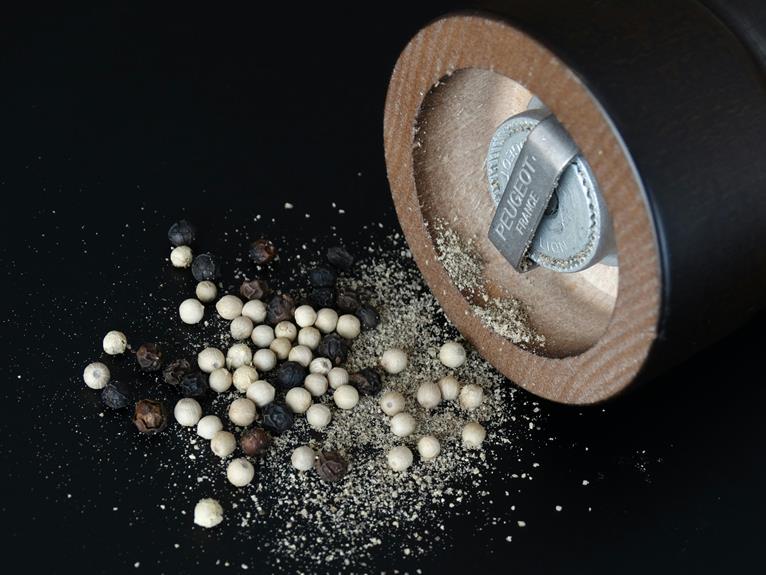
Behold the enigmatic Japanese sansho pepper, where numbing, tingling, and spicy sensations converge, but what secrets lie behind its intriguing flavor profile?

You're about to discover the secrets of a centuries-old spice that will elevate your cooking to new heights. Long pepper's complex flavor profile, with notes of vanilla, cloves, and nutmeg, adds subtle warmth and depth to dishes without overpowering other flavors. To get started, choose a high-quality long pepper that suits your cooking needs, as different types vary in flavor intensity and aroma. Grind it just before using to release its volatile oils and aromas, and toasting enhances its unique flavor profile. Now, explore the many dishes and spice pairings that showcase long pepper's incredible versatility – and discover the endless possibilities waiting for you.

Key Takeaways

  • Long pepper's unique flavor profile is complex, with notes of vanilla, cloves, and nutmeg, adding subtle warmth and depth to dishes.
  • Choose high-quality long pepper that suits cooking needs, as different types vary in flavor intensity and aroma.
  • Grind long pepper just before using to release volatile oils and aromas, and toasting enhances its aroma and flavor profile.
  • Long pepper pairs seamlessly with spices that share similar warm, aromatic properties, such as cinnamon, cardamom, and nutmeg, creating a harmonious balance of flavors.
  • Experiment with long pepper in various cultural inspirations and fusion cuisine, such as Moroccan tagines, Thai green curries, and traditional Indian gajar ka halwa.

Uncovering Long Pepper's Unique Flavor

As you crack open a pod of long pepper, the aroma that wafts out is both familiar and exotic, with hints of sweetness and spice that leave you wanting to explore its unique flavor further.

The flavor profile of long pepper is complex, with notes of vanilla, cloves, and nutmeg, making it a great addition to both sweet and savory dishes.

You'll find that long pepper adds a subtle warmth and depth to your cooking, without overpowering the other flavors.

Its unique flavor is a result of its origins on the ancient Spice Route, where it was traded and blended with other spices to create a truly distinctive taste.

When you use long pepper, you're not just adding flavor, you're adding a piece of history to your dish.

As you experiment with long pepper, you'll discover that it pairs well with a variety of ingredients, from chicken and seafood to fruits and chocolates.

With its intriguing flavor profile, long pepper is sure to become a staple in your spice rack.

Choosing the Right Type of Long Pepper

You'll want to select a high-quality long pepper that suits your cooking needs, since different types can vary significantly in flavor intensity and aroma. When choosing the right type, think about the cultivation methods used, as they can impact the final flavor. For instance, long peppers grown in regions with rich soil and ample sunlight tend to have a more robust flavor profile.

Some popular types of long pepper to ponder include:

  • Indian long pepper, known for its pungent, slightly sweet flavor and historical significance in traditional Ayurvedic medicine
  • Sri Lankan long pepper, which boasts a more delicate flavor and aroma, often used in Southeast Asian cuisine
  • Indonesian long pepper, with its bold, spicy flavor and aromatic oils, commonly used in traditional Indonesian dishes

When selecting a type of long pepper, reflect on the dishes you plan to use it in and the flavor profiles you want to achieve. By choosing the right type, you'll be able to tap into the full potential of this unique spice and elevate your cooking to the next level.

Grinding and Toasting Long Pepper

Grind long pepper just before using it to release its volatile oils and aromas, and consider toasting it lightly to bring out its unique flavor profile.

This simple step will elevate the flavor of your dishes and make the most of this ancient spice.

When you grind long pepper, you're releasing its flavorful compounds, which are responsible for its pungent, slightly sweet, and earthy taste.

Toasting long pepper takes it to the next level by enhancing its aroma.

Simply heat a small pan over medium heat, add the whole long peppers, and toast for about 30 seconds, shaking the pan frequently.

This brief toasting process will awaken the spice's aromatic properties, making it even more potent.

Be cautious not to over-toast, as this can lead to bitterness.

Once toasted, let the long peppers cool before grinding them in a spice grinder or mortar and pestle.

Now, you're ready to add the freshly ground and toasted long pepper to your recipe, where it will add depth and complexity to your culinary creations.

Essential Dishes to Showcase Long Pepper

Flavors await discovery in these iconic dishes, where long pepper takes center stage, elevating each recipe with its distinctive warmth and complexity.

As you explore the culinary world of long pepper, you'll find that it's an integral part of many regional variations, each with its own cultural significance.

From traditional Indian curries to Southeast Asian street food, long pepper adds a unique twist to familiar flavors.

Imagine the aroma of fragrant Thai basil and lemongrass wafting from a steaming bowl of Tom Yum soup, where long pepper adds a subtle kick.

Picture the rich, dark flavors of a slow-cooked Indian curry, where long pepper's warmth complements the tender meat.

Envision the vibrant colors of a Southeast Asian salad, where long pepper's crunch and spice bring balance to the sweet and sour flavors.

These dishes not only showcase long pepper's versatility but also highlight its cultural significance in different regions.

Pairing Long Pepper With Other Spices

When combining long pepper with other spices, its unique flavor profile is elevated by the interplay of warm, sweet, and pungent notes.

You'll find that long pepper pairs seamlessly with spices that share similar warm, aromatic properties, such as cinnamon, cardamom, and nutmeg.

This Spice Synergy creates a harmonious balance of flavors, with the long pepper adding a subtle depth and complexity.

To achieve perfect Flavor Fusion, experiment with different spice ratios and combinations.

For instance, pair long pepper with earthy spices like cumin and coriander for a Middle Eastern-inspired flavor profile.

Alternatively, combine it with bright, citrusy spices like ginger and turmeric for a revitalizing and uplifting taste.

Remember, the key to successful pairing is to balance the bold, pungent flavor of long pepper with complementary spices that enhance its unique characteristics.

Experimenting With Long Pepper Recipes

You'll discover a treasure trove of flavors by experimenting with long pepper recipes, from savory stews to aromatic curries and fragrant desserts.

As you venture into the world of long pepper, you'll find that its unique flavor profile lends itself to a wide range of cultural inspirations and fusion cuisine.

Imagine the aroma of long pepper wafting through a Moroccan tagine, blending with cumin and coriander to evoke the vibrant souks of Marrakech.

Picture a Thai green curry, where long pepper adds depth to the coconut milk and lemongrass, transporting you to the bustling streets of Bangkok.

Envision a traditional Indian gajar ka halwa, where long pepper enhances the sweetness of caramelized carrots and cardamom, evoking the warmth of a Indian winter evening.

As you explore these recipes, you'll find that long pepper adds a new dimension to your cooking, allowing you to create bold and exciting flavors that will leave your taste buds wanting more.

So don't be afraid to experiment and combine long pepper with other spices and ingredients to create your own unique fusion cuisine.

The possibilities are endless!

Frequently Asked Questions

Can I Substitute Long Pepper for Black Pepper in Recipes?

You can substitute long pepper for black pepper, but keep in mind you'll need a different pepper ratio, as long pepper's flavor profile is more complex and slightly sweet, so start with half the amount and adjust to taste.

Is Long Pepper Safe for People With Pepper Allergies?

You're wise to wonder if long pepper is safe for those with pepper allergies. Unfortunately, it can still trigger allergic reactions due to cross reactivity, making it a potential allergy trigger you should avoid.

How Do I Store Long Pepper to Preserve Its Flavor?

You'll want to store long pepper in an air-tight container to maintain its freshness and potent flavor. Keep it away from direct sunlight, heat, and moisture to guarantee maximum freshness maintenance, preserving its unique taste for future dishes.

Can I Grow My Own Long Pepper Plant at Home?

You can grow your own long pepper plant at home if you provide it with the right soil conditions, like well-draining soil with a pH between 6.0 and 7.0, and meet its climate requirements, such as high humidity and warm temperatures above 64°F.

Is Long Pepper Commonly Used in Any Specific Cuisine?

You'll find long pepper's pungent presence punctuating Indian recipes, particularly in traditional curries and chutneys, as it was a prized possession among Medieval spices, adding depth and warmth to ancient dishes.

Conclusion

As you wrap up your culinary adventure with long pepper, coincidence has it that you've stumbled upon a flavor that's been hiding in plain sight for centuries.

Its warm, slightly sweet, and subtly spicy essence has seeped into your cooking, elevating every dish to new heights.

And just like the ancient traders who prized this pepper, you've discovered a treasure that will continue to inspire your culinary creativity for years to come.

Bring a new level of sophistication to your cooking by unlocking the secrets of long pepper, a centuries-old spice with endless flavor possibilities.

You're about to discover why Tellicherry pepper is crowned the king of black peppercorns, boasting a rich history, distinct flavor profile, and unparalleled aroma that has captivated the senses of spice connoisseurs for centuries. Originating from the Malabar Coast in India, Tellicherry pepper has been a staple in Indian cuisine and trade for centuries. Its unique flavor profile, with hints of sweetness and fruity undertones, sets it apart from other pepper varieties. With its rich history, versatility in culinary applications, and expert cultivation process, Tellicherry pepper is the ultimate choice for those seeking the perfect blend of flavor and sophistication. Now, take a step closer to revealing the secrets of this majestic spice.

Key Takeaways

  • Tellicherry pepper originates from the Malabar Coast, where its unique soil, climate, and altitude create perfect conditions for cultivation.
  • This pepper has a rich, slightly sweet aroma balanced by a sharp, pungent flavor profile with complex undertones and fruity nuances.
  • Skilled farmers in Kerala cultivate and harvest Tellicherry pepper using sustainable farming practices, sun-drying the peppers to preserve natural oils.
  • Tellicherry pepper is a versatile spice that elevates dishes with its distinctive pungency and subtle fruit notes, pairing well with bold flavors and ingredients.
  • To ensure freshness and authenticity, verify the supplier's reputation, look for direct relationships with farmers, and store the pepper in a cool, dry place.

Origins of Tellicherry Pepper

India's Malabar Coast, a region renowned for its rich cultural heritage and spice trade, is where Tellicherry pepper originates from.

As you explore the history of this prized spice, you'll discover its deep cultural significance. Tellicherry pepper has been an integral part of Indian cuisine and trade for centuries, with its production and export shaping the region's economy.

You'll find that the pepper is grown in the southwestern states of India, particularly in Kerala, where the unique combination of soil, climate, and altitude creates the perfect conditions for its cultivation.

As you examine the regional variations of Tellicherry pepper, you'll notice distinct differences in flavor, aroma, and quality.

The pepper is named after the Tellicherry port, which was a major hub for spice trade in the 16th century.

The regional variations are a result of the different cultivation practices, soil types, and climatic conditions found in various regions.

You'll find that each region produces pepper with unique characteristics, making Tellicherry pepper a truly special and sought-after spice.

Flavor Profile and Aroma

As you savor the complex flavors of Tellicherry pepper, you'll discover a rich, slightly sweet aroma that's balanced by a sharp, pungent flavor profile.

This unique blend of flavors is a result of the pepper's slow maturation process, which allows it to develop a deeper, more refined taste.

When you take a closer look, you'll notice complex undertones that add depth and character to the pepper's flavor.

These undertones are subtle, yet distinct, and they work in harmony with the pepper's natural pungency to create a truly unique taste experience.

One of the most striking aspects of Tellicherry pepper is its fruity nuances, which add a hint of sweetness to its flavor profile.

These fruity notes are subtle, but they're an essential part of what makes Tellicherry pepper so special.

They add a layer of complexity to the pepper's flavor, making it perfect for a wide range of dishes.

Whether you're using it to add depth to a sauce or to add a burst of flavor to a stir-fry, Tellicherry pepper is sure to impress.

Growing and Harvesting Process

Your journey to understand the intricacies of Tellicherry pepper takes you to the lush hills of Kerala, where skilled farmers carefully cultivate and harvest this prized pepper variety.

As you explore the rolling hills, you notice the farmers' focus on climate resilience, ensuring their crops can thrive in the region's tropical climate. They achieve this by adopting sustainable farming practices, such as crop rotation and organic fertilizers, which also promote soil conservation.

As the pepper plants grow, they're trained to climb up wooden stakes or trees, allowing for better air circulation and sunlight penetration. This labor-intensive process requires precision and patience, but the end result is well worth it.

When the peppers are ripe, they're hand-picked by farmers who carefully select the best ones for harvesting. The berries are then left to dry in the sun, turning from green to black as they lose moisture.

This traditional method of sun-drying preserves the pepper's natural oils, resulting in the distinctive flavor and aroma that Tellicherry pepper is renowned for.

History of Tellicherry Pepper Trade

The ancient port city of Tellicherry, nestled on the Malabar Coast, served as a bustling hub for spice traders, who for centuries exported this prized pepper variety to distant lands.

You can imagine the aroma of Tellicherry pepper wafting through the air as ships docked, laden with goods from far-off lands.

The Portuguese colonization of India in the 16th century marked a significant turning point in the history of Tellicherry pepper trade.

The Portuguese established maritime routes that connected Tellicherry to major trading centers in Europe, Africa, and Asia.

This led to a surge in demand for Tellicherry pepper, and it became a highly sought-after commodity.

As trade flourished, Tellicherry pepper found its way into the kitchens of royal courts and aristocratic households across the globe.

You're likely aware that the pepper's popularity wasn't limited to just culinary uses; it was also used as a form of currency in some regions.

The maritime routes established during this period played a pivotal role in shaping the global pepper trade, with Tellicherry pepper emerging as a leader in the industry.

Culinary Uses and Pairings

Flavors of Tellicherry pepper elevate dishes with its distinctive pungency and subtle fruit notes, making it a versatile spice for a wide range of culinary applications.

When you use Tellicherry pepper, you'll find it pairs well with bold flavors like garlic, ginger, and onions, making it a staple in Indian and Asian cuisines.

You can add it to spice blends like garam masala, curry powder, or Chinese five-spice to create complex flavor profiles.

Tellicherry pepper is also a great addition to marinades, sauces, and braising liquids, as it enhances the natural flavors of meats, poultry, and seafood.

You'll find it's particularly well-suited to beef, lamb, and game meats, where its bold flavor won't get lost.

In vegetarian and vegan dishes, Tellicherry pepper adds depth to legumes, grains, and roasted vegetables.

Whether you're cooking up a hearty stew or a simple stir-fry, Tellicherry pepper's unique flavor profile will elevate your dishes to the next level.

Comparison to Other Pepper Varieties

One thing you might wonder is how Tellicherry pepper stacks up against its pepper peers in terms of flavor profile and heat level. As you explore the pepper hierarchy, you'll find that Tellicherry peppers occupy a unique spot in the flavor spectrum.

Malabar pepper is slightly sweeter and less pungent than Tellicherry, with a more delicate flavor profile.

Sarawak pepper is milder and more aromatic, with a fruity and slightly sweet flavor.

Vietnamese pepper is sharper and more bitter, with a robust, earthy flavor.

Kashmiri pepper is sweeter and more delicate, with a subtle, slightly smoky flavor.

When it comes to heat level, Tellicherry peppers fall somewhere in the middle, with a moderate Scoville heat unit (SHU) rating. While they're not the hottest peppers out there, they pack a decent punch.

Health Benefits and Nutrition

You can reap several health benefits from incorporating Tellicherry pepper into your diet, thanks to its rich nutritional profile.

As a rich source of antioxidants, Tellicherry pepper helps protect your body from free radicals, which can cause cell damage and lead to chronic diseases. Its antioxidant properties also help reduce inflammation, promoting overall health and well-being.

Tellicherry pepper is also an excellent digestive aid.

It stimulates digestive enzymes, helping your body break down food more efficiently. This can lead to improved nutrient absorption, reduced bloating, and a lower risk of digestive disorders. Additionally, the pepper's piperine content helps increase the bioavailability of nutrients, making it an excellent addition to your meals.

Incorporating Tellicherry pepper into your diet can also help boost your immune system, thanks to its high vitamin C content.

It's also a good source of fiber, copper, and iron, making it a nutritious and flavorful addition to your meals. By adding Tellicherry pepper to your diet, you can experience these health benefits and more, making it a great way to spice up your meals and improve your overall health.

Sourcing and Storage Tips

Two key factors that can significantly impact the quality and potency of Tellicherry pepper are where you source it from and how you store it.

When it comes to sourcing, you want to verify you're getting your Tellicherry pepper from a reputable supplier that can guarantee freshness and authenticity. Look for vendors that have direct relationships with farmers or have a transparent supply chain.

Proper storage is just as vital in maintaining the pepper quality.

Store your Tellicherry pepper in a cool, dry place, away from direct sunlight and moisture.

Use airtight containers made of glass, ceramic, or stainless steel to prevent air and light from affecting the pepper's flavor and aroma.

Avoid storing pepper near strong-smelling spices or foods, as they can absorb odors easily.

Keep your containers clean and dry to prevent mold and bacterial growth.

Frequently Asked Questions

Can I Grind Tellicherry Peppercorns in a Regular Pepper Mill?

You can grind Tellicherry peppercorns in a regular pepper mill, but they'll likely produce a coarse grind. For a finer grind, consider using electric mills specifically designed for peppercorns, which will bring out their unique flavor and aroma.

Are Tellicherry Peppercorns Suitable for People With Pepper Allergies?

You might think pepper allergies are a deal-breaker, but don't worry, you can still enjoy Tellicherry peppercorns! If you're concerned about pepper sensitivity, consider allergy testing to determine your tolerance level before incorporating them into your diet.

Can I Use Tellicherry Pepper as a Substitute for White Pepper?

You're wondering if you can swap tellicherry pepper for white pepper. While both have distinct pepper profiles, tellicherry's robust, slightly sweet flavor won't replicate white pepper's mild, creamy taste, so it's not a perfect substitute in flavor comparisons.

How Long Do Tellicherry Peppercorns Retain Their Flavor and Aroma?

You'll be surprised to know that peppercorns can stay fresh for up to 3-4 years! When storing Tellicherry peppercorns, you'll preserve their complex flavor profile by keeping them away from heat, light, and moisture, ensuring their aroma and flavor remain vibrant for a longer period.

Are Tellicherry Peppercorns More Expensive Than Other Black Peppercorns?

You'll find that Tellicherry peppercorns generally cost more than other black peppercorns due to their superior flavor and aroma, which justifies the higher price, making them a worthwhile investment for flavor enthusiasts.

Conclusion

As you hold the Tellicherry pepper in your hand, you're grasping a piece of history, a flavor bomb waiting to explode.

Like a master key, it reveals the secrets of your favorite dishes, elevating them to new heights.

As the aroma wafts up, you're transported to the sun-kissed hills of India, where the pepper's journey began.

Savor the taste, and you'll understand why Tellicherry pepper is the king of black peppercorns, reigning supreme in the world of spices.

Savor the majesty of Tellicherry pepper, a centuries-old spice steeped in history and mystery, waiting to be unlocked in your culinary journey.

You're about to discover why Kampot pepper, grown in a small region of Cambodia, has earned its reputation as the world's best pepper, prized by top chefs and food enthusiasts alike for its unparalleled flavor and aroma. The secret lies in Kampot's unique terroir, where a tropical savanna climate and rich, mineral-laden soil create an ideal environment for cultivation. This results in a complex, balanced flavor profile with subtle sweetness and fruity notes. With a rich history, traditional practices, and versatility in cooking, Kampot pepper is a delicacy that will elevate your dishes to new heights – and you're just about to uncover the full story behind its legend.

Key Takeaways

  • Kampot pepper's unique flavor profile is shaped by the region's tropical savanna climate, high humidity, and mineral-rich soil composition.
  • The pepper's complex yet balanced flavor profile, with subtle sweetness and fruity notes, elevates dishes without overpowering other flavors.
  • Traditional practices, including hand-picking and secret drying techniques, are passed down through generations, ensuring high-quality pepper production.
  • Kampot pepper's versatility and nuanced flavor profile make it a favorite among chefs, who use it to add depth and sophistication to various dishes.
  • Authenticity and quality are ensured through proper sourcing, supporting fair trade practices, and transparent supply chains to guarantee the unique flavor profile of Kampot pepper.

The Unique Terroir of Kampot

As you explore the rolling hills and saltwater-kissed coastline of Kampot, you'll discover a terroir that's uniquely predisposed to produce some of the world's most distinctive and aromatic peppercorns.

The region's climate conditions play a significant role in shaping the pepper's unique character. Kampot's tropical savanna climate, with average temperatures ranging from 25°C to 35°C, allows for a slow and even ripening process. This, combined with the region's high humidity, enhances the pepper's natural oils and flavors.

The soil composition in Kampot is equally important. The region's soil is rich in mineral content, particularly quartz and iron, which are absorbed by the pepper plants and contribute to their distinctive flavor profile. The soil's pH level, slightly acidic to neutral, allows for ideal nutrient uptake, further enhancing the pepper's quality.

The unique combination of climate conditions and soil composition in Kampot creates an ideal environment for pepper cultivation, resulting in peppercorns that are renowned for their complexity and depth of flavor. As you venture further into the world of Kampot pepper, you'll begin to appreciate the intricate relationship between the terroir and the pepper's exceptional quality.

Flavor Profile and Aroma

You'll experience a symphony of flavors when you taste Kampot pepper, with notes of fruit, flowers, and spices that meld together in perfect harmony.

The flavor profile is complex yet balanced, with a subtle sweetness that's both alluring and addictive.

As you savor the pepper, you'll detect fruity notes, reminiscent of ripe mangoes or sweet strawberries, which add a depth of flavor to any dish.

But what truly sets Kampot pepper apart is its subtle spicy undertones.

These undertones provide a gentle kick that awakens your taste buds, leaving you wanting more.

The heat is never overpowering, allowing the other flavors to shine through.

When used in cooking, the pepper enhances the natural flavors of ingredients, elevating even the simplest dishes to new heights.

Whether you're a seasoned chef or a culinary newbie, Kampot pepper is sure to become your go-to seasoning, adding a touch of sophistication and elegance to any meal.

History and Traditional Practices

Kampot pepper's unique flavor profile and aroma are deeply rooted in its rich history and traditional practices, which have been refined over centuries to produce this exceptional spice.

You'll discover that the region's fertile soil, combined with the ideal climate, created the perfect environment for pepper cultivation. The art of pepper farming was first introduced to Kampot by the Chinese in the 13th century. Later, during French Colonization, the French refined the techniques, introducing new methods that further elevated the quality of the pepper.

As you explore further into the history of Kampot pepper, you'll hear Local Legends about the dedication and passion of the farmers. They carefully hand-pick the peppercorns, sorting and grading them to guarantee only the best quality reaches the market.

The traditional practices have been passed down through generations, with each family having their own secret techniques for drying and processing the peppercorns. It's this blend of history, culture, and tradition that sets Kampot pepper apart from others, making it a true delicacy.

Why Chefs Love Kampot Pepper

As a chef, you understand the importance of using high-quality ingredients to elevate your dishes. Chefs swoon over Kampot pepper's nuanced flavor profile, which elevates their dishes from ordinary to sublime. This exceptional pepper is renowned for its ability to enhance flavors without overpowering them, making it a staple in many professional kitchens.

Kampot pepper pairs seamlessly with a wide range of ingredients, from meats and seafood to vegetables and fruits. Its subtle flavor won't overpower your dish, allowing each component to shine.

Kampot pepper adds depth and complexity to sauces, marinades, and seasonings, amplifying the flavors of your dish without adding salt or sugar.

With a moderate Scoville heat unit rating, Kampot pepper provides a gentle kick without overwhelming your palate.

Use Kampot pepper to add flavor to everything from soups and stews to salads and desserts – its possibilities are endless!

Sourcing and Authenticity Matters

When it comes to incorporating Kampot pepper into your culinary creations, ensuring its authenticity and quality through proper sourcing is just as important as its flavor profile.

You can't just settle for any Kampot pepper; you need to make sure it's sourced from reputable farmers and suppliers who adhere to fair trade practices.

This means supporting farmers who are paid a fair price for their high-quality peppers, and ensuring that the supply chain is transparent and sustainable.

Frequently Asked Questions

Can I Grow Kampot Pepper Plants Outside of Cambodia?

You can try growing Kampot pepper plants outside of Cambodia, but you'll need to replicate the region's unique climate adaptation and soil conditions, which might be challenging in different environments.

Is Kampot Pepper Organic and Free of Pesticides?

You're probably wondering if the Kampot pepper you're about to buy is organic and pesticide-free. Take the case of pepper farmer, Sopheak, who uses natural pest repellents. To confirm authenticity, look for certifications like Ecocert, which verifies farming practices and guarantees a pesticide-free product.

Can I Substitute Kampot Pepper With Other Peppercorns?

When substituting peppercorns, you'll notice distinct pepper profiles and spice blends. While other options can work, they won't replicate Kampot's unique flavor and aroma, so it's worth trying different types to find the closest match for your taste buds.

How Do I Store Kampot Pepper to Preserve Its Flavor?

You'll want to store your precious pepper in airtight pepper containers to prevent moisture and light from affecting its flavor. This way, you'll preserve the unique flavor, ensuring it stays potent and aromatic for a longer period.

What Is the Shelf Life of Kampot Pepper?

"You'll be shocked to learn that properly stored Kampot pepper can last forever! But realistically, its shelf life depends on Freshness Factors like humidity and light exposure. Follow our Storage Tips to keep it fresh for up to 2 years."

Conclusion

As you savor the final bite, the curtain closes on your culinary journey with Kampot pepper.

Like a masterful conductor, this 'king of peppers' harmoniously blends its complex flavors, leaving a lasting impression.

With its rich history, unique terroir, and devoted followers, Kampot pepper has earned its rightful place as the world's best.

As the spotlight fades, you're left with an unforgettable taste of perfection, a symphony of flavors that will leave you craving its encore.

A pinch of Kampot pepper can elevate any dish, but what makes this Cambodian spice so revered among top chefs and food connoisseurs?

You're about to discover the secret to maximizing your body's ability to absorb essential nutrients, boost energy, and even combat chronic diseases – all thanks to a humble spice that's been sitting in your kitchen cabinet all along: black pepper. Piperine, a bioactive compound in black pepper, enhances bioavailability, increasing nutrient absorption by up to 2,000%. It also boosts metabolism and energy, has anti-inflammatory properties, and supports digestive health. But that's not all – piperine has cancer-fighting potential, improves brain health, and even enhances cognitive function. As you delve into the world of piperine, you'll discover a wealth of benefits waiting to transform your health.

Key Takeaways

  • Piperine, a bioactive compound in black pepper, enhances nutrient absorption, increasing bioavailability by up to 2,000% and maximizing dietary benefits.
  • Black pepper's ancient roots and cultural significance highlight its value as a seasoning, medicine, and symbol of wealth and power.
  • Piperine boosts metabolism and energy levels by increasing thermogenesis, leading to efficient fat burning and sustainable weight loss.
  • Piperine's anti-inflammatory and antioxidant properties alleviate chronic pain, reduce inflammation, and combat oxidative stress and cellular damage.
  • Piperine supports digestive health, gut bacteria balance, and immune function, while exhibiting cancer-fighting potential and neuroprotective effects.

Unlocking the Power of Piperine

You're about to discover the incredible potential of piperine, a bioactive compound found in black pepper that has been extensively studied for its remarkable health benefits. Piperine is responsible for the spicy kick you get when you add black pepper to your meals, but its effects go far beyond just flavor.

One of the most significant benefits of piperine is its ability to enhance bioavailability, which refers to the amount of a nutrient that your body can absorb and utilize.

When you consume piperine, it increases the absorption of nutrients from your food, making it a powerful tool for maximizing the benefits of a healthy diet.

In fact, studies have shown that piperine can increase the absorption of certain nutrients by up to 2,000%! This means that you can get more out of the healthy foods you're already eating, simply by adding a pinch of black pepper to your meals.

Ancient Roots of Black Pepper

As you explore the history of black pepper, you'll discover its ancient roots run deep.

Two thousand years ago, the ancient Indians, Greeks, and Romans highly valued black pepper, not only as a seasoning but also as a form of currency and medicine.

This prized spice was a staple in their kitchens, medicine cabinets, and even their economies.

In fact, black pepper was so valuable that it was used to pay taxes, dowries, and even ransoms.

The cultural significance of black pepper extended far beyond its culinary uses.

It was a symbol of wealth, power, and status.

The Romans, in particular, revered black pepper as a luxury item, using it to flavor their food and perfumes.

The spice also played a significant role in ancient trade routes, with merchants traversing treacherous landscapes to bring it from India to the Mediterranean.

As you examine the history of black pepper, you'll realize that its value extended far beyond its flavor – it was a symbol of cultural sophistication and refinement.

Boosting Metabolism and Energy

One key benefit of piperine, the active compound in black pepper, is that it can significantly boost your metabolism and energy levels by increasing thermogenesis, the body's natural heat production.

This means you'll burn fat more efficiently, giving you a slimmer, healthier body.

When you consume piperine, your body's energy expenditure increases, helping you torch calories even when you're not actively exercising.

This makes black pepper an excellent addition to your morning routine, providing a natural morning boost to get you going.

As you start your day with a piperine-rich breakfast, you'll feel more alert, focused, and ready to tackle any challenge that comes your way.

By incorporating black pepper into your diet, you'll experience a significant increase in your fat-burning capabilities, leading to sustainable weight loss and improved overall health.

With piperine working in your favor, you'll be able to take on your day with confidence and energy.

Anti-Inflammatory Effects Revealed

Beyond its metabolism-boosting effects, piperine in black pepper has been found to possess potent anti-inflammatory properties that can help alleviate chronic pain and reduce inflammation in the body. When you consume black pepper, piperine hinders the production of pro-inflammatory enzymes, which are responsible for triggering inflammation. This, in turn, leads to a positive cellular response, reducing the risk of chronic diseases.

As you incorporate black pepper into your diet, you'll start to notice a decrease in chronic pain. Piperine's anti-inflammatory properties work to reduce pain by blocking the production of pain-causing chemicals in the body. This natural pain relief can be especially beneficial for individuals suffering from conditions like arthritis, fibromyalgia, and other inflammatory diseases.

Research has shown that piperine's anti-inflammatory effects aren't limited to just pain relief. It also has a positive impact on cardiovascular health, reducing the risk of heart disease and stroke. By adding black pepper to your meals, you're not only flavoring your food, but you're also taking a proactive step towards a healthier, pain-free you.

Digestive Health and Gut Bacteria

Nearly 75% of your immune system is housed in your gut, and piperine in black pepper has been found to play a crucial role in maintaining a healthy balance of gut bacteria.

Piperine can actually increase the bioavailability of nutrients in your gut, making it easier for your body to absorb the good stuff. This is especially important for gut motility, as piperine helps regulate the movement of food through your digestive system, reducing the risk of constipation and other digestive issues.

Piperine also has a synergistic effect when combined with probiotics. Probiotic synergy occurs when the benefits of probiotics are enhanced by another compound, in this case, piperine.

By taking piperine with probiotics, you can increase the colonization of beneficial bacteria in your gut, leading to a stronger immune system and improved overall health. This powerful combination can help alleviate symptoms of IBS, reduce inflammation, and even improve mental health.

Piperine's Antioxidant Properties

As you support your gut health with piperine-rich black pepper, you're also giving your body a powerful antioxidant boost, capable of combating free radicals and oxidative stress that can wreak havoc on your overall well-being.

Free radicals are unstable molecules that can damage your cells, leading to chronic inflammation and disease.

Piperine's antioxidant properties help neutralize these free radicals, shielding your cells from harm and promoting cellular defense.

By incorporating black pepper into your diet, you're providing your body with a natural defense system against oxidative stress.

This can lead to improved overall health, reduced inflammation, and enhanced immune function.

Piperine's antioxidant effects also extend to protecting your skin, eyes, and other organs from damage caused by free radicals.

As you continue to reap the benefits of piperine-rich black pepper, remember that you're not only supporting your gut health but also fortifying your body's natural defenses against free radicals and oxidative stress.

This powerful antioxidant boost can have a profound impact on your overall well-being, helping you feel more energized, focused, and resilient in the face of life's challenges.

Black Pepper's Cancer-Fighting Potential

Since ancient times, researchers have been intrigued by black pepper's potential to combat cancer, and modern studies are now uncovering the powerful mechanisms behind its anti-cancer properties.

You may be surprised to learn that piperine, the active compound in black pepper, has been shown to inhibit the growth of cancer cells and even induce cellular apoptosis, or programmed cell death.

This means that piperine can selectively target and eliminate cancer cells, reducing the risk of tumor formation and progression.

What's more, piperine has been found to exhibit chemotherapy synergy, enhancing the effectiveness of conventional cancer treatments while reducing their toxic side effects.

By combining piperine with chemotherapy, you may experience improved treatment outcomes and a better quality of life.

The anti-cancer properties of piperine are especially promising for treating colon, prostate, and breast cancers.

As research continues to uncover the full scope of black pepper's cancer-fighting potential, you can feel confident incorporating this superfood into your diet to support your overall health and well-being.

Enhancing Nutrient Bioavailability

While you're likely familiar with black pepper's ability to add flavor to your meals, you may not know that piperine, its active compound, also plays a critical role in enhancing the bioavailability of nutrients from the food you eat.

This means that piperine helps your body absorb the nutrients it needs from the food you consume, making it a valuable addition to your meals.

Food synergy is the concept that different foods work together to provide greater health benefits than they'd individually.

Piperine takes this concept to the next level by increasing nutrient uptake from the food you eat.

When you consume piperine with other nutrient-dense foods, it enhances the bioavailability of those nutrients, allowing your body to absorb them more effectively.

Brain Health and Cognitive Function

You've likely noticed that black pepper has a profound impact on your food's flavor, but did you know that piperine, its active compound, also boosts your brain health and cognitive function by enhancing neurotransmitter production and neural connection formation?

This potent compound has been shown to improve memory and cognitive processing speed, making it an excellent natural Memory Booster. Piperine also supports Neuroplasticity Enhancers, which enables your brain to reorganize and adapt throughout your life.

This means you'll be better equipped to learn new skills, form new connections, and recover from brain injuries.

Piperine's ability to increase neurotransmitter production also helps regulate mood, reducing symptoms of anxiety and depression. Additionally, it's been shown to have a neuroprotective effect, shielding your brain from oxidative stress and inflammation.

This can help slow down age-related cognitive decline and even reduce the risk of neurodegenerative diseases like Alzheimer's and Parkinson's.

By incorporating piperine-rich black pepper into your diet, you'll be giving your brain the support it needs to function at its best.

With its impressive cognitive benefits, it's no wonder black pepper is considered a health superfood.

Incorporating Black Pepper Into Diet

By adding black pepper to your meals, you can reap the cognitive benefits of piperine and support your overall brain health.

You can start by incorporating black pepper into your daily cooking routine, whether it's sprinkling it on scrambled eggs, adding it to your favorite stir-fry, or using it to season your grilled meats.

Experiment with different flavor profiles, such as combining black pepper with herbs like thyme or rosemary, to create unique and delicious dishes.

When it comes to meal prep, black pepper is a versatile spice that can be used to add flavor to a variety of dishes.

Try adding it to your soups, stews, or curries for an extra boost of flavor.

You can also use black pepper to make your own spice blends, such as a homemade curry powder or a flavorful rub for grilled meats.

Frequently Asked Questions

Can I Consume Black Pepper in Excess for Added Health Benefits?

You're wondering if consuming black pepper in excess will boost health benefits, but be cautious – excessive daily dosing can cause stomach issues. Instead, aim for a recommended ratio of 1/4 teaspoon per meal to reap benefits without risks.

Does Piperine Interact With Medications or Worsen Health Conditions?

You need to be cautious when consuming piperine-rich black pepper, as it can interact with certain medications, like blood thinners, and worsen health conditions, like gastroesophageal reflux disease (GERD), increasing medication risks and potential side effects.

Are There Any Side Effects From Consuming High Amounts of Black Pepper?

You might experience digestive issues like stomach upset or diarrhea from consuming high amounts of black pepper, and bioavailability concerns arise since it can interact with certain medications or worsen health conditions.

Can I Grow My Own Black Pepper Plant for Maximum Potency?

You can grow your own black pepper plant for maximum potency by selecting well-draining soil and controlling the climate to mimic its native tropical habitat, ensuring ideal growing conditions for a thriving, potent harvest.

Is White Pepper a Suitable Substitute for Black Pepper's Health Benefits?

"As you sprinkle white pepper on your dish, imagine the distinct flavor profile and cultural significance it brings. But, when it comes to health benefits, you're better off sticking with black pepper, which packs a more potent punch."

Conclusion

As you sprinkle black pepper on your next meal, remember that you're not just adding flavor, you're tapping into a treasure trove of health benefits.

Piperine, the mighty compound behind black pepper's magic, has been quietly working in the shadows to boost your metabolism, calm inflammation, and even fight cancer.

So, go ahead, give your body the gift of black pepper – and let its tiny, mighty particles ignite a fire of wellness within you!

Crack open the incredible health benefits of black pepper's piperine, from boosted nutrient absorption to cancer-fighting potential, and discover a superfood in your spice rack.

You're about to tap into the secret to maximizing your body's ability to absorb nutrients, and it starts with a simple spice you likely already have in your kitchen: black pepper. As you consume black pepper, it stimulates the production of digestive enzymes in your gut, breaking down food more efficiently. This, in turn, improves pancreatic function, regulates gastric motility, and creates a favorable environment for beneficial microbes to thrive. The active compound piperine in black pepper boosts your body's ability to absorb nutrients, making the most of every meal. Now, you're on the cusp of discovering the full potential of black pepper in optimizing your digestion and nutrient absorption.

Key Takeaways

  • Black pepper stimulates digestive enzymes, breaking down food into smaller molecules for better absorption, and improves pancreatic function.
  • Piperine in black pepper increases nutrient bioavailability, enhancing cellular uptake and absorption of essential vitamins and minerals.
  • Black pepper creates a favorable environment for beneficial microbes, promoting a healthy gut microbiome balance and efficient digestion.
  • Piperine inhibits enzymes that break down nutrients, allowing them to remain intact and available for absorption, and increases gene expression for bioavailability pathways.
  • Adding black pepper to meals, especially those rich in fat-soluble vitamins, can significantly boost nutrient absorption and overall health.

The Ancient Roots of Black Pepper

Dating back over 3,000 years, black pepper's origins are rooted in ancient India, where it was revered as a sacred commodity and highly prized for its preservative and medicinal properties.

You might be surprised to learn that black pepper was a highly sought-after luxury item, driving the Spice Trade between India and the rest of the world.

In ancient India, black pepper was an integral part of Ayurvedic Medicine, used to treat various ailments and promote overall health.

As you explore the history of black pepper, you'll discover that it wasn't only a valuable spice but also a symbol of wealth and power.

The Romans, in particular, coveted black pepper, using it to flavor their food and even as a form of currency.

Today, black pepper remains a staple in many cuisines around the world, and its significance extends beyond its culinary uses.

As you venture deeper into the world of black pepper, you'll uncover its incredible benefits for digestion and overall well-being.

Boosting Digestive Enzyme Production

One of the most significant ways black pepper benefits your digestive system is by stimulating the production of digestive enzymes in your gut, which helps break down food more efficiently.

When you consume black pepper, it triggers the release of digestive enzymes that break down proteins, carbohydrates, and fats into smaller molecules that can be absorbed by your body.

This means you'll get more nutrients from the food you eat, and your body will be able to utilize them more effectively.

Black pepper also improves pancreatic function, which is essential for producing digestive enzymes.

A healthy pancreas confirms that your body has the necessary enzymes to break down food properly.

In addition, black pepper helps regulate gastric motility, which is the movement of food through your stomach and small intestine.

This prevents food from lingering in your stomach for too long, reducing the risk of indigestion, bloating, and other digestive issues.

Black Pepper and Gut Health

You're likely aware that your gut is home to trillions of microorganisms, and black pepper can help create a more favorable environment for these beneficial microbes to thrive.

By consuming black pepper, you're supporting the growth of good bacteria and promoting a healthy microbiome balance.

This balance is essential for a strong immune system, efficient digestion, and even mental well-being.

Black pepper's active compound, piperine, has been shown to improve gut motility, which is the movement of food through your digestive system.

This can help alleviate symptoms of constipation, bloating, and discomfort.

When your gut motility is functioning properly, your body is better able to absorb nutrients and eliminate waste.

Additionally, piperine has anti-inflammatory properties, which can reduce inflammation in the gut and promote a healthy gut lining.

Enhanced Nutrient Bioavailability

Piperine in black pepper boosts your body's ability to absorb nutrients from the food you eat, making the most of every meal.

This enhancement of nutrient bioavailability occurs due to the food synergy between black pepper and other nutrients. When you consume black pepper with other foods, it increases the absorption of those nutrients, making them more effective.

The bioavailability of nutrients is critical because it determines how well your body can utilize them.

With piperine, you can rest assured that your body is getting the most out of the food you eat.

The piperine in black pepper also enhances cellular uptake, allowing your cells to absorb nutrients more efficiently.

This means that the nutrients are being used to fuel your body's functions, rather than being excreted as waste.

Piperine's Role in Absorption

The absorption of nutrients into your bloodstream is substantially enhanced when black pepper is consumed alongside other foods, thanks to piperine's ability to increase the permeability of your gut lining. This means that the nutrients from the food you eat can pass more easily into your bloodstream, where they can be utilized by your body.

Piperine's role in absorption is multifaceted.

It inhibits enzymes that break down nutrients, allowing them to remain intact and available for absorption.

It increases the expression of genes involved in bioavailability pathways, making it easier for nutrients to be taken up by your cells.

It enhances cellular uptake, allowing your cells to absorb the nutrients they need to function properly.

Adding Black Pepper to Your Diet

Incorporating black pepper into your daily meals can have a significant impact on your overall nutrition and health.

By adding this simple spice to your cooking routine, you'll not only enhance the flavor of your dishes but also boost the bioavailability of essential nutrients.

To get started, try adding a pinch of freshly ground black pepper to your meals, especially those rich in fat-soluble vitamins like A, D, E, and K.

When meal planning, consider incorporating black pepper into fresh recipes that feature nutrient-dense ingredients like leafy greens, lean proteins, and whole grains.

For instance, you can sprinkle black pepper over scrambled eggs with spinach, add it to your favorite salad dressing, or mix it into homemade hummus.

Remember, the key is to use it in moderation – a little goes a long way.

Experiment with different recipes and find what works best for you.

Frequently Asked Questions

Does Black Pepper Interact With Medications, Such as Blood Thinners?

You should be aware that black pepper can interact with certain medications, like blood thinners, increasing drug interactions and medication risks; you must consult your doctor before consuming it, especially if you're taking prescription drugs.

Can Black Pepper Alleviate Symptoms of Irritable Bowel Syndrome (Ibs)?

You're wondering if black pepper can ease IBS symptoms? Research suggests it might, as it reduces inflammation in the gut and promotes a healthy balance of gut bacteria, which can alleviate IBS discomfort.

Is Black Pepper Effective for Digestive Issues in Children?

As you navigate the uncharted waters of your child's digestive issues, you're searching for a beacon of hope. Fortunately, research suggests that black pepper can be a valuable ally in pediatric nutrition, supporting healthy childhood development and alleviating digestive woes in kids.

Can Excessive Black Pepper Consumption Cause Stomach Upset?

You might experience stomach upset if you're not used to consuming a lot of black pepper, as it can irritate your gut sensitivity; however, if you have a high spice tolerance, you're less likely to feel the negative effects.

Does the Quality of Black Pepper Impact Its Digestive Benefits?

You're getting to the root of the matter! When it comes to black pepper's digestive benefits, you can't cut corners – Freshness Matters, and high-quality pepper from superior Cultivation Methods makes all the difference in harnessing its advantages.

Conclusion

Black pepper is more than just a flavor enhancer – it's a digestive powerhouse.

By boosting enzyme production, supporting gut health, and increasing nutrient bioavailability, black pepper plays a vital role in getting the most out of your meals.

Did you know that piperine, black pepper's active compound, can increase curcumin absorption by a whopping 2,000%?

Start sprinkling black pepper on your meals to tap into its full digestive potential!

Gain insight into the surprising way black pepper can revolutionize your digestive health and unlock the full potential of every meal.

You're likely unaware that the humble pepper in your kitchen cabinet is a powerhouse of natural health remedies, packed with anti-inflammatory properties, antioxidants, and essential vitamins that can transform your overall well-being. Pepper alleviates digestive discomfort, supports a healthy balance of gut bacteria, and even reduces the likelihood of digestive issues. It also provides relief from pain and discomfort, soothes skin issues, and supports heart health. As you explore pepper's natural remedies, you'll discover its surprising benefits for cold and flu relief, pain management, anti-aging, and more – and that's just the tip of the iceberg.

Key Takeaways

  • Pepper stimulates digestive enzymes, promotes a healthy gut microbiome, and reduces the risk of digestive issues like constipation and IBS.
  • It possesses anti-inflammatory properties, alleviating pain and discomfort, and promoting healthier skin, heart, and cardiovascular function.
  • As a natural cold and flu remedy, pepper helps combat congestion, coughs, and sore throats, and boosts the immune system.
  • Pepper is a natural pain reliever, alleviating muscle and joint pain, and has antioxidant properties that promote anti-aging and skin regeneration.
  • It has additional benefits, including supporting eye health, reducing skin issues, and improving overall quality of life.

Digestive Health and Wellness

When you incorporate pepper into your diet, it can help alleviate digestive discomfort by stimulating the digestive enzymes in your stomach and small intestine.

This, in turn, can improve digestion and reduce symptoms like bloating, gas, and indigestion.

Additionally, pepper has been found to promote a healthy balance of gut bacteria, which is essential for a robust immune system and overall well-being.

By supporting the growth of beneficial microbes, pepper helps maintain probiotic balance in the gut, ensuring that your digestive system functions efficiently.

As a result, you're less likely to experience digestive issues like constipation, diarrhea, or irritable bowel syndrome (IBS).

Furthermore, pepper's ability to stimulate digestive enzymes can help your body absorb essential nutrients more efficiently, leading to improved energy levels and a reduced risk of nutrient deficiencies.

Anti-Inflammatory Properties Explored

Pepper's anti-inflammatory properties can provide relief from pain and discomfort, thanks to its ability to inhibit the production of pro-inflammatory enzymes in your body.

This natural remedy can be especially beneficial for skin conditions like acne, psoriasis, and eczema, where inflammation can lead to redness, swelling, and irritation.

By reducing inflammation, pepper can help soothe and calm the skin, promoting a clearer and healthier complexion.

Pepper's anti-inflammatory effects can also extend to cardio health.

Chronic inflammation is a major risk factor for heart disease, as it can lead to the formation of plaque in arteries, increasing the risk of heart attacks and strokes.

By incorporating pepper into your diet, you can help reduce inflammation in your cardiovascular system, promoting healthier blood flow and reducing the risk of cardiac problems.

Whether you're looking to alleviate skin issues or support heart health, pepper's anti-inflammatory properties make it a valuable addition to your natural remedy arsenal.

Natural Cold and Flu Remedies

Many of us reach for over-the-counter medications to combat cold and flu symptoms, but pepper offers a natural alternative that can help alleviate congestion, coughs, and sore throats.

You can add pepper to your meals or drinks to harness its natural benefits.

As an immune booster, pepper helps to fight off infections and reduce the severity of cold and flu symptoms.

Its expectorant properties also make it an effective sinus clearer, helping to loosen and expel mucus from your nasal passages.

To reap its benefits, try adding a pinch of pepper to a warm glass of water or tea to create a soothing drink.

You can also mix it with honey and lemon to create a natural cough syrup.

Additionally, pepper can be added to soups and stews to help ease congestion and coughs.

Pain Relief and Anti-Aging

Beyond its cold and flu-fighting properties, pepper also packs a punch as a natural pain reliever and anti-aging agent, offering a surprising array of benefits for your overall well-being.

You can use pepper to alleviate muscle and joint pain, making it an excellent addition to your post-workout routine. The capsaicin in pepper helps reduce inflammation, which can lead to chronic pain, allowing you to maintain joint mobility and flexibility.

In addition, pepper's antioxidant properties make it an effective anti-aging agent, promoting skin regeneration and reducing the appearance of fine lines and wrinkles. You can add pepper to your face masks or use it as a natural exfoliant to reveal smoother, brighter skin.

Additionally, pepper's anti-inflammatory properties can help reduce redness and irritation, making it an excellent natural remedy for acne and rosacea. By incorporating pepper into your daily routine, you'll be amazed at the difference it can make in your overall health and appearance.

Other Surprising Health Benefits

Pepper's benefits extend far beyond pain relief and anti-aging, as it also boasts a range of surprising health benefits that can improve your overall quality of life.

For instance, pepper has been shown to help alleviate skin issues such as acne and psoriasis. The antioxidants present in pepper help to reduce inflammation and fight off free radicals, promoting healthy skin.

You can even use pepper as a natural exfoliant by mixing it with olive oil and gently scrubbing your skin.

Pepper also supports eye health, making it a great addition to your daily diet.

The vitamin C in pepper helps to reduce the risk of cataracts and age-related macular degeneration, ensuring your eyes stay healthy as you age.

Additionally, pepper's anti-inflammatory properties can help to reduce eye redness and irritation, making it a great natural remedy for dry eyes.

Frequently Asked Questions

Can Pepper Be Used to Treat Skin Conditions Like Acne and Psoriasis?

You can try using pepper to treat skin conditions like acne and psoriasis; its natural antibacterial properties make it a great natural exfoliant, and it can even work as a skin toner to balance your skin's pH levels.

Is Black Pepper Safe for People With Kidney or Liver Disease?

You're wondering if black pepper is safe for people with kidney or liver disease; well, you should know that excessive consumption can strain kidney function and hinder liver detoxification, so moderation is key for you.

Can Pepper Interact With Certain Medications or Supplements?

You're walking a delicate dance with medications, and pepper's subtle steps might just throw off the rhythm. Be cautious, as it can interact with blood thinners, exacerbating the risk of stomach ulcers, and other meds, so consult your doctor before sprinkling it on.

How Much Pepper Should I Consume Daily for Optimal Health Benefits?

You're wondering how much pepper to consume daily for maximum health benefits. Generally, a pinch of 1/4 to 1/2 teaspoon of pepper dosage per day is recommended for a healthy daily intake, but you should consult a healthcare professional for personalized advice.

Are There Any Side Effects of Consuming Excessive Pepper?

"Breaking news from ancient Rome: beware, you're about to get burned! Consuming excessive pepper can lead to a pepper overdose, causing stomach upset, so don't overdo it, or you'll be crying like a Victorian drama queen!"

Conclusion

You've finally reached the end of this pepper-packed journey!

Now, imagine your body as a rusty old car, and pepper as the tune-up it desperately needed.

The digestive system is purring like a kitten, inflammation is in the rearview mirror, colds and flu are just a distant memory, pain is a thing of the past, and you're looking younger by the minute.

Pepper has been the ultimate pit stop for your health, and you're ready to hit the road to wellness!

Discover the surprising benefits of pepper, from alleviating digestive issues to providing relief from pain and inflammation, and more.

You're likely familiar with black pepper as a common kitchen staple, but what you may not know is that it holds a wealth of surprising health benefits that can transform your overall well-being. Black pepper boosts your cognitive function and memory, eases respiratory issues, and even protects your eye health. It also has anti-inflammatory and antimicrobial properties, combats cancer cell growth, and supports cardiovascular health and skin wound healing. As you explore the many benefits of black pepper, you'll uncover more ways it can enhance your daily life – and you'll be surprised at just how much this humble spice can do for you.

Key Takeaways

  • Piperine in black pepper boosts cognitive function and memory by enhancing neuroplasticity and reducing brain fog.
  • Black pepper's anti-inflammatory properties alleviate pain, reduce inflammation, and promote a healthy gut microbiome.
  • Piperine relaxes airways, providing relief from respiratory issues like asthma and bronchitis, and improves overall respiratory health.
  • Black pepper's antioxidants and anti-inflammatory properties protect eyes from oxidative stress, age-related macular degeneration, and cataracts.
  • Piperine exhibits anti-cancer properties by inhibiting cancer cell growth, inducing apoptosis, and suppressing cancer cell proliferation.

Boosts Cognitive Function and Memory

As you incorporate black pepper into your diet, its active compound piperine is shown to significantly enhance cognitive processing speed and improve memory retention.

This is because piperine has a profound impact on neuroplasticity, the brain's ability to adapt, change, and form new connections.

By promoting neuroplasticity, black pepper helps your brain function more efficiently, making it easier to learn new information and recall memories.

If you've been experiencing brain fog, black pepper can be a valuable addition to your treatment plan.

Brain fog is characterized by feelings of mental fogginess, confusion, and difficulty concentrating.

Piperine helps to alleviate these symptoms by increasing the bioavailability of nutrients and oxygen in the brain, leading to improved mental clarity and focus.

With regular consumption of black pepper, you can expect to experience improved cognitive function, better memory retention, and a reduction in brain fog.

This makes it an excellent natural remedy for individuals looking to boost their mental performance and stay mentally sharp.

Anti-Inflammatory Properties Unveiled

Black pepper's anti-inflammatory properties are particularly impressive, with piperine inhibiting the production of pro-inflammatory enzymes in the body.

This means that black pepper can be a valuable ally in pain management, reducing discomfort and inflammation that can lead to chronic conditions.

In fact, studies have shown that piperine can even reduce inflammation in the gut, promoting a healthy gut microbiome.

This is especially important, as an imbalance of gut bacteria has been linked to various health issues, from digestive problems to mental health disorders.

Respiratory Health and Breathing Ease

Beyond its anti-inflammatory effects, black pepper's piperine also helps relax your airways, making it easier to breathe and reducing the severity of respiratory issues like asthma and bronchitis.

This means you'll experience asthma relief, as black pepper's natural properties help to ease constricted airways and promote smoother breathing.

When you're feeling congested, black pepper can also provide nasal decongestion, helping to clear out excess mucus and reduce sinus pressure.

By incorporating black pepper into your daily routine, you may find that you're better equipped to tackle respiratory issues head-on.

Whether you're dealing with a persistent cough or struggling to catch your breath, black pepper's natural benefits can provide much-needed relief.

As you continue to reap the rewards of black pepper's piperine, you may find that your overall respiratory health improves, leaving you feeling more energetic and able to take on the day with confidence.

Eye Health and Vision Protection

Adding black pepper to your diet may help protect your eyes from oxidative stress and inflammation, which can contribute to age-related macular degeneration and cataracts.

The antioxidants present in black pepper, such as vitamin C and beta-carotene, can neutralize free radicals that damage your eyes. This can lead to cataract prevention, as the antioxidants help maintain the clarity of your lens.

Black pepper's anti-inflammatory properties can also aid in glaucoma management. Glaucoma is a condition characterized by increased pressure in the eye, which can damage the optic nerve.

By reducing inflammation, black pepper may help alleviate this pressure and prevent further damage. In addition, the piperine in black pepper can enhance the bioavailability of other nutrients, including vitamins and minerals that support eye health.

Antimicrobial Properties and Infections

Black pepper's potent antimicrobial properties can help combat a range of infections, from common colds to more serious conditions, by inhibiting the growth of bacteria, viruses, and other microorganisms.

You can reap the benefits of black pepper's antimicrobial properties in various ways, including:

Boosting oral hygiene

Black pepper has been shown to inhibit the growth of bacteria that can cause tooth decay and gum disease, making it a natural addition to your oral care routine.

Supporting gut flora

Black pepper's antimicrobial properties can help maintain a healthy balance of gut bacteria, which is essential for a strong immune system and overall well-being.

Fighting respiratory infections

Black pepper's expectorant properties can help relieve congestion and coughs, making it a natural remedy for colds and flu.

Anti-Cancer Properties and Research

Black pepper's antimicrobial properties are just the tip of the iceberg, as research has also uncovered its potential to inhibit cancer cell growth and induce apoptosis, or cell death.

Studies have shown that black pepper's active compound, piperine, can alter cellular mechanisms, leading to the suppression of cancer cell proliferation.

Specifically, piperine has been found to target molecular targets such as NF-κB, a protein complex involved in inflammation and cancer development. By inhibiting NF-κB, piperine can prevent the activation of genes that promote cancer cell growth.

Additionally, piperine has been shown to induce apoptosis in cancer cells, effectively killing them off.

Research has also suggested that black pepper may enhance the effectiveness of chemotherapy and reduce its side effects.

While more research is needed, the existing evidence suggests that black pepper has promising anti-cancer properties, making it a potential adjunct to cancer therapy.

Cardiovascular Health and Blood Flow

Incorporating black pepper into your diet may help improve cardiovascular health by enhancing blood flow and reducing inflammation in the cardiovascular system. This is because black pepper contains a compound called piperine, which has been shown to have a positive impact on cardiovascular health.

By consuming black pepper regularly, you can:

Improve vascular elasticity: Piperine helps to relax blood vessels, improving their elasticity and reducing blood pressure. This can reduce the risk of cardiovascular disease and stroke.

Reduce blood viscosity: Black pepper has been shown to reduce blood viscosity, making it easier for blood to flow through the vessels and reducing the risk of cardiovascular disease.

Lower triglycerides: Piperine has been shown to reduce triglyceride levels in the blood, which can help to reduce the risk of cardiovascular disease.

Skin and Wound Healing Benefits

Skin and Wound Healing Benefits

Piperine in black pepper accelerates skin and wound healing by promoting collagen synthesis, improving tissue strength, and reducing inflammation.

When you incorporate black pepper into your diet or use it topically, you'll notice faster recovery from cuts, burns, and other skin injuries.

The antioxidants and anti-inflammatory properties in black pepper also prevent infection and promote healthy scarring.

This means you'll be less likely to develop keloid or hypertrophic scar tissue, which can be painful and unsightly.

Additionally, black pepper's ability to stimulate collagen synthesis helps to improve skin elasticity and firmness.

As a result, you'll enjoy a more youthful and radiant appearance.

Whether you're dealing with acne scars, surgical scars, or skin imperfections, black pepper can be a valuable addition to your skincare routine.

Frequently Asked Questions

Can Black Pepper Be Used to Alleviate Menstrual Cramps and PMS Symptoms?

You can try using black pepper to alleviate menstrual cramps and PMS symptoms through spice therapy, as it helps regulate hormone balance, which may reduce discomfort and ease your monthly woes.

How Does Black Pepper Interact With Medications and Supplements?

You should be aware that black pepper can interact with certain medications, affecting drug interactions and medication absorption rates, so it's essential to consult your doctor before consuming it, especially if you're taking blood thinners or meds for diabetes.

Is Black Pepper Safe for Pregnant or Breastfeeding Women to Consume?

You're likely aware that 90% of pregnant women take some form of supplement. When it comes to black pepper, you'll be relieved to know it's generally safe for you to consume during pregnancy and breastfeeding, supporting the absorption of essential pregnancy nutrients and enhancing breastfeeding benefits.

Can Black Pepper Be Used as a Natural Pest Repellent for Gardens?

You can use black pepper as a natural deterrent to keep garden pests at bay. Sprinkle pepper powder around plants to repel ants, aphids, and other unwanted visitors, creating a pest-free garden without harsh chemicals.

Does Black Pepper Have Any Spiritual or Cultural Significance in Traditional Practices?

You've stumbled upon a treasure trove of secrets! Believe it or not, black pepper has been a sacred staple in Ayurvedic rituals and Ancient ceremonies for centuries, holding spiritual significance that'll blow your mind!

Conclusion

You've likely sprinkled black pepper on your food without giving much thought to its incredible health benefits.

But did you know that consuming just 1/2 teaspoon of black pepper daily can increase the bioavailability of nutrients by a whopping 2,000%!

With its impressive list of benefits, from boosting cognitive function to fighting cancer, it's time to give black pepper the recognition it deserves.

Keep reading to uncover the astonishing ways black pepper can transform your health, from boosting brain function to fighting cancer cells.

You're about to discover the secret to adding subtle yet sophisticated heat to your dishes. White pepper's unique flavor profile and delicate kick elevate your cooking to new heights. With a slightly sweet and earthy flavor, white pepper adds depth and warmth to soups, stews, and sauces without overpowering other flavors. Try it with fish, vegetables, or meat for a refined, nuanced taste. From Asian-inspired stir-fries to rich, creamy sauces, white pepper's versatility knows no bounds. Now, explore the many ways you can harness its subtle heat to take your dishes to the next level.

Key Takeaways

  • White pepper adds depth and warmth to dishes without overpowering other flavors, making it ideal for sophisticated recipes.
  • Its subtle heat and nuanced flavor profile pair well with delicate fish fillets, vegetables, and creamy sauces.
  • White pepper enhances umami flavors in vegetarian and vegan recipes, adding depth without overpowering natural flavors.
  • It's a versatile spice that shines in global cuisine, particularly in Asian and Middle Eastern cooking, and is a staple in many international recipes.
  • When cooking with white pepper, precision is key, and it's essential to use it sparingly to preserve its delicate flavor and aroma.

Discovering White Pepper's Unique Flavor

You'll likely be surprised by the distinct, slightly sweet and earthy flavor white pepper adds to your dishes, a departure from the pungent, spicy kick of its black counterpart.

This unique flavor profile is rooted in white pepper's history, which dates back to ancient India and Southeast Asia.

Unlike black pepper, which is picked before ripeness and left to dry, white pepper is derived from ripe berries that are soaked in water to remove the outer shell, leaving only the inner seed.

This process gives white pepper its milder, more delicate taste.

When you use white pepper in your cooking, you'll notice it adds depth and warmth without overpowering other flavors.

Its subtle heat makes it an excellent addition to delicate fish dishes, creamy sauces, and even sweet desserts.

Elevating Soups and Stews

As you explore the versatility of white pepper, it's natural to think of its application in soups and stews, where its subtle warmth and depth can elevate the flavors of a variety of ingredients. White pepper's unique flavor profile adds complexity to soups and stews, making them more sophisticated and engaging.

Add it to creamy soups like potato or broccoli for an unexpected kick.

Use it to enhance the Umami richness in mushroom-based soups.

Combine it with herbs and spices to create a custom blend for your favorite stew recipe.

Sprinkle it on top of soups as a garnish for added depth and visual appeal.

Experiment with different ratios of white pepper to black pepper to find the perfect balance for your taste buds.

Balancing Flavors in Sauces

White pepper's delicate flavor becomes a game-changer in sauces, allowing you to balance bold ingredients and add a subtle depth that elevates the entire dish.

When crafting a sauce, you're often combining strong flavor profiles, from tangy acidity levels to rich, savory notes. White pepper helps harmonize these elements, subtly enhancing the overall flavor without overpowering it.

As you adjust the seasoning, you'll find that white pepper adds a refined, nuanced quality that complements the other ingredients.

For instance, in a creamy bechamel sauce, a pinch of white pepper can balance the richness, adding a subtle kick without overwhelming the dish.

Similarly, in a bright, citrusy sauce, white pepper can temper the acidity levels, creating a more balanced flavor profile.

Pairing With Delicate Fish Dishes

Delicate fish dishes, such as sole or flounder, cry out for a seasoning that won't overwhelm their tender flavor, and that's where white pepper comes in. You're looking for a flavor enhancer that complements the ocean delicacies without overpowering them. White pepper's subtle heat and nuanced flavor profile make it an excellent choice for pairing with fish fillets.

Sprinkle white pepper over pan-seared fish fillets for a burst of flavor.

Mix it with lemon juice and herbs for a marinade that's both bright and savory.

Add it to your fish soup or stew for a depth of flavor that's hard to replicate with other spices.

Use it to season fish cakes or patties for a flavor that's both delicate and complex.

Pair it with other aromatics like garlic and ginger for a flavor profile that's both bold and refined.

Enhancing Vegetarian and Vegan Recipes

White pepper's subtle heat and nuanced flavor profile also make it an excellent addition to vegetarian and vegan recipes, where bold spices can sometimes overwhelm the natural flavors of plant-based ingredients.

White pepper's gentle warmth won't overpower the delicate flavors of vegetables, allowing them to shine in dishes like roasted vegetable medleys or sautéed mushroom risottos.

In vegan recipes, white pepper can enhance the umami flavors of ingredients like mushrooms, soy sauce, and miso paste, adding depth without overpowering.

It also pairs well with earthy flavors like beets, sweet potatoes, and carrots, bringing out their natural sweetness.

When using white pepper in vegetarian and vegan recipes, start with a small amount and adjust to taste, as its subtle heat can quickly build.

Adding Depth to Meat and Poultry

When seasoning meat and poultry, balancing bold flavors without overpowering the natural taste of the protein is essential, and that's where white pepper's subtle nuances come in. You want to enhance the meat textures and poultry profiles without overwhelming them. White pepper's mild heat and earthy undertones make it an ideal addition to your meat and poultry dishes.

Add it to your dry rubs for chicken, beef, or pork to create a savory crust.

Mix it with olive oil and herbs for a marinade that won't overpower the meat.

Use it to season ground meats for burgers or meatballs.

Sprinkle it over poultry before roasting for a subtle, aromatic flavor.

Combine it with lemon juice and garlic for a bright, zesty sauce for grilled meats.

Experimenting With Global Cuisine

Frequently, white pepper's versatility shines in global cuisine, where it subtly enhances flavors in dishes from around the world.

You'll find it's a staple in many international recipes, particularly in Asian and Middle Eastern cooking.

As you explore global cuisine, you'll discover how white pepper is used to add depth and warmth to a variety of dishes, from fragrant curries to savory stir-fries.

The cultural exchange that occurred along ancient Spice Routes played a significant role in spreading white pepper's popularity.

Merchants and traders would transport exotic spices, including white pepper, between Europe, Asia, and Africa, introducing new flavors to different regions.

This exchange not only influenced local cuisines but also created unique fusion styles.

As you experiment with global cuisine, you'll notice how white pepper complements a range of ingredients, from bold spices to delicate herbs.

Try using it in traditional dishes like Chinese hot pot, Indian korma, or Moroccan tagine.

You can also incorporate it into modern fusion recipes, like Korean tacos or Japanese-inspired burgers.

With its subtle heat and versatility, white pepper is the perfect spice to add a sophisticated twist to your global culinary adventures.

Tips for Cooking With White Pepper

In the kitchen, precision is key, and understanding the nuances of white pepper is essential to tapping its full flavor potential.

When cooking with white pepper, you'll want to keep a few tips in mind to get the most out of this subtle spice.

Store white pepper properly: Keep it in an airtight container, away from direct sunlight and moisture, to preserve its flavor and aroma.

Use it sparingly: White pepper can quickly overpower a dish, so start with a small amount and adjust to taste.

Blend it with other spices: Combine white pepper with other spices, like garlic or onion powder, to create complex and intriguing flavor profiles.

Add it at the right time: Add white pepper towards the end of cooking to preserve its delicate flavor and aroma.

Experiment with different varieties: Try different types of white pepper, like Indian or Sarawak, to discover unique flavor profiles.

Frequently Asked Questions

Can I Substitute White Pepper for Black Pepper in Recipes?

You're wondering if you can swap white pepper for black pepper in recipes. While possible, keep in mind that white pepper has a milder flavor profile, so you'll need to adjust the spice ratio to avoid overpowering your dish.

Is White Pepper Suitable for People With Digestive Issues?

You're among the 1 in 5 people who experience digestive issues, but did you know white pepper can be your Gastro Relief? Its Gut Soothing properties make it a gentler alternative, allowing you to season without irritating your stomach.

Does White Pepper Lose Potency When Stored for Long Periods?

You'll notice white pepper's potency fades over time, but you can slow it down by storing it properly. Fresh batches will always pack a punch, so try to use yours within 6 months for the best flavor.

Can I Grow My Own White Pepper Plants at Home?

You're wondering if you can grow your own white pepper plants at home? Well, yes, you can! With the right pepper varieties and soil requirements, like well-draining soil and partial shade, you'll be harvesting your own pepper berries in no time!

Is White Pepper More Expensive Than Black Pepper?

You'll find that white pepper is generally pricier than black pepper due to its labor-intensive processing. This increased cost is reflected in its unique flavor profile, which is often described as earthier and more delicate, with a rich pepper history dating back centuries.

Conclusion

As you've explored the world of white pepper, remember that 'variety is the spice of life.'

Don't be afraid to substitute it for black pepper in your favorite recipes or use it to add subtle heat to new dishes.

With its nuanced flavor, white pepper can elevate even the simplest creations.

So, go ahead, experiment, and taste the difference for yourself.

As you continue to cook with white pepper, you'll find that its unique flavor will become an essential component of your culinary repertoire.

Yielding to the allure of subtle heat, discover how white pepper elevates dishes with its unique flavor profile and refined warmth.

You're on the hunt for the best pepper grinder for your home cooking needs. You're in luck! We've got the inside scoop on the top-rated electric and manual pepper grinders that'll take your dishes to the next level. Whether you prefer the convenience of electric or the control of manual, rest assured we've got everything you need. You'll also discover specialized grinders for specific needs, from travel to spice stations. When choosing a grinder, consider factors like material durability, ease of cleaning, and adjustable grinding settings. Now, get ready to discover the perfect pepper grinder for you, and open up a world of flavors and possibilities.

Key Takeaways

  • Top-rated electric pepper grinders offer convenience, consistency, and quiet operation, making them ideal for home cooks who value ease of use.
  • Manual pepper grinders provide unparalleled pepper freshness and allow for control over the grinding process, appealing to cooks who value flavor and texture.
  • When choosing a pepper grinder, consider key factors such as material durability, ease of cleaning, and overall performance to ensure a quality grinder.
  • Look for grinders with adjustable grinding settings, ease of refilling, and rust-resistant materials to find the best fit for your cooking needs.
  • Regular cleaning and maintenance are crucial to prevent clogging and maintain flavor, so consider grinders with removable parts and easy cleaning designs.

Top-Rated Electric Pepper Grinders

Top-rated electric pepper grinders, such as those from Cuisinart and KitchenAid, offer unparalleled convenience and consistency in your kitchen.

They're designed to make quick work of even the toughest peppercorns, and their advanced features will impress.

One key benefit of electric pepper grinders is their speed control. You can adjust the grind speed to suit your needs, whether you're looking for a fine powder or a coarse grind.

This level of precision is hard to achieve with manual grinders.

Another important consideration is noise level. Look for electric pepper grinders with quiet or silent operation, so you can grind away without disrupting the entire household.

Some top models even feature one-touch operation, making it easy to grind pepper with minimal effort.

With their ease of use, adjustable speed, and low noise levels, it's no wonder top-rated electric pepper grinders are a staple in many home kitchens.

Best Manual Pepper Grinders

Manual pepper grinders offer a satisfying alternative to electric models, allowing you to take control of the grinding process and savor the aroma of freshly ground pepper.

With manual grinders, you'll enjoy unparalleled pepper freshness, as the peppercorns are ground immediately before use, releasing their full flavor and aroma.

Plus, you'll appreciate the ergonomic design of these grinders, which fit comfortably in your hand, making it easy to grind pepper to your desired coarseness.

When choosing a manual pepper grinder, look for one with a sturdy construction and a smooth-turning mechanism.

This will guarantee that you can effortlessly grind pepper without straining your hand or wrist.

Additionally, consider the size of the grinder, as larger ones can hold more peppercorns, while smaller ones are perfect for travel or small kitchens.

With a manual pepper grinder, you'll experience the joy of cooking with freshly ground pepper, elevating your dishes to a new level of flavor and sophistication.

Pepper Grinders for Specific Needs

Beyond the basics, some home cooks require pepper grinders that cater to specific needs, whether that's grinding large quantities, accommodating unique peppercorn varieties, or meeting the demands of a busy commercial kitchen.

If you're one of them, you'll want to explore pepper grinders designed for specific tasks. For instance, if you're always on-the-go, a Travel Grinder is a great option. These compact grinders are perfect for adding freshly ground pepper to your meals even when you're away from home.

If you're a serious spice enthusiast, you might want to invest in a Spice Station. These grinders allow you to store and grind multiple types of spices and peppercorns, keeping them fresh and within reach. Whether you're a chef, food blogger, or just a passionate home cook, a Spice Station is a game-changer.

Ultimately, the right pepper grinder for you'll depend on your unique needs and preferences. By weighing your specific requirements, you can find a grinder that makes cooking easier, more efficient, and more enjoyable.

What to Look for in a Grinder

When selecting a pepper grinder, think about the material it's made of, as this will impact its durability, ease of cleaning, and overall performance. You want a grinder that can withstand regular use and frequent cleaning.

Look for high-quality materials like stainless steel, ceramic, or wood that are resistant to corrosion and easy to clean. Avoid grinders made from low-quality plastics or materials that may break easily.

Another important factor to bear in mind is the noise level of the grinder. If you plan to use your grinder during early morning or late evening cooking sessions, you'll want one that's quiet and won't disturb others.

Some grinders are designed with noise-reducing features, so be sure to check the product description or reviews to get an idea of how loud it is.

Additionally, ponder the grinding mechanism and how easy it's to use. Do you prefer a manual or electric grinder?

Are the grinding settings adjustable? How easy is it to refill the pepper container?

Our Testing and Evaluation Process

You've narrowed down your options based on key factors, now it's time to see how the top contenders performed in our rigorous testing and evaluation process.

We put each grinder through its paces, evaluating its performance against our carefully developed Grinder Criteria.

Our testing took place in controlled Lab Conditions, ensuring that every grinder was given a fair shot.

  • Ease of use: How intuitive was the grinder to operate, and did it require any special techniques?
  • Grind quality: Did the grinder produce a consistent, even grind, and were there any issues with clogging?
  • Noise level: How loud was the grinder during operation, and did it cause any disruptions in the kitchen?

Budget-Friendly Pepper Grinder Options

Frequently, home cooks on a tight budget can still find a reliable pepper grinder that meets their needs without breaking the bank.

You don't have to sacrifice quality for affordability, as there are plenty of budget-friendly options that'll become a staple in your kitchen. When it comes to kitchen essentials, a pepper grinder is a must-have, and you can find a decent one without denting your wallet.

Look for grinders made from durable materials like stainless steel or ceramic, which will last you a while.

Electric grinders are also a great option, as they're often more affordable than manual ones and require minimal effort. You can find a good electric grinder for under $20, making it a great addition to your spice rack.

Some popular budget-friendly options include the OXO Good Grips Pepper Grinder and the Cuisinart SG-10 Electric Spice and Nut Grinder.

Both of these grinders are highly rated and won't break the bank. With a little research, you'll find the perfect pepper grinder to fit your budget and meet your cooking needs.

High-End Pepper Grinders Worth It

Stepping up to a high-end pepper grinder can elevate your cooking experience, providing unparalleled flavor and texture control that's well worth the investment. You'll notice a significant difference in the quality of your dishes, and the luxury investment will pay off in the long run.

High-end pepper grinders are designed to provide precision control over the coarseness of your grind, allowing you to customize the flavor and texture of your meals.

Some key benefits of high-end pepper grinders include:

  • Superior materials and craftsmanship, ensuring a durable and long-lasting product that will withstand heavy use.
  • Advanced grinding mechanisms, providing consistent and precise grinds that bring out the full flavor of your peppercorns.
  • Ergonomic design, making it comfortable and easy to use, even for extended periods of time.

With a high-end pepper grinder, you'll experience flavor enhancement like never before. The precise control over the grind allows you to bring out the unique characteristics of different peppercorns, taking your cooking to the next level.

Whether you're a serious home cook or an aspiring chef, a luxury pepper grinder is an investment worth considering.

Final Thoughts on Choosing a Grinder

With your newfound knowledge of pepper grinders, it's time to weigh your options and make an informed decision about which one is right for you.

Consider your cooking philosophy – do you prioritize flavor, convenience, or aesthetics? Think about how often you'll use your grinder and how much pepper you'll need to grind at one time.

If you're a frequent cook, you may want a high-capacity grinder that can handle large quantities.

Grinder maintenance is also vital to think about. Look for grinders with easy-to-clean designs and durable materials that can withstand regular use.

Some grinders may require more upkeep than others, so ponder how much time you're willing to dedicate to maintenance.

Don't forget to factor in your budget and the overall value you're getting for your money.

By weighing these factors, you'll be able to find a grinder that aligns with your cooking needs and preferences.

Frequently Asked Questions

Can I Use a Pepper Grinder for Grinding Other Spices?

You can definitely use a pepper grinder for other spices, and it's a great way to explore spice versatility and preserve distinct flavor profiles – just be sure to clean it thoroughly between uses to avoid flavor transfer.

How Often Should I Clean My Pepper Grinder?

You should clean your pepper grinder every 1-3 months, depending on usage, to maintain its performance and prevent clogging. Follow the manufacturer's instructions for grinder maintenance to achieve the desired frequency and keep your grinder in top shape.

Can I Put My Pepper Grinder in the Dishwasher?

Savvy home cooks, don't risk ruining your trusty pepper grinder – check the manufacturer's instructions before tossing it in the dishwasher. Guarantee Dishwasher Safety and avoid pesky Soap Residue buildup that can affect flavor and functionality.

Are Pepper Grinders Safe for People With Arthritis?

You'll be relieved to know that many pepper grinders are designed with arthritis sufferers in mind, featuring ergonomic designs and adaptive handles that make grinding easy and comfortable, allowing you to cook with ease.

Can I Refill a Pre-Filled Pepper Grinder With My Own Peppercorns?

You can definitely refill a pre-filled pepper grinder with your own peppercorns, upgrading the pepper quality. Simply clean and dry the grinder, then convert it to hold your new peppercorns, ensuring a fresh flavor.

Conclusion

You've sifted through the options, and now it's time to season your culinary creations with confidence!

Select a superior pepper grinder that suits your style, and savor the flavors that unfold.

From sleek electric models to manual marvels, the perfect pick awaits.

So, go ahead, grind, and gourmet-ify your meals with gusto!

Witness the transformative power of freshly ground pepper with our expertly curated list of the best pepper grinders for home cooks.