Kelly Sue, CC BY 2.0, via Wikimedia Commons


You’re about to discover a whole new side of cinnamon – beyond sweet treats and into the world of savory dishes. This warm, aromatic spice adds depth and complexity to familiar favorites like chicken pot pie, beef stew, and roasted sweet potatoes. It pairs beautifully with meats, especially lamb, and is a staple in global cuisines from the Middle East to Asia. Get ready to explore new flavor profiles in Indian-style curries, Moroccan tagines, and warm, comforting stews. As you venture into the world of cinnamon in savory dishes, you’ll find yourself cozying up to a whole new level of flavor.


Key Takeaways

  • Cinnamon adds depth and complexity to classic comfort foods like chicken pot pie, beef stew, and mashed sweet potatoes.
  • Global cuisines like Middle Eastern, North African, and Asian cuisines use cinnamon to flavor meats, stews, and tagines.
  • Cinnamon pairs well with meats like lamb, poultry, and game, adding a new dimension to familiar flavors.
  • It adds warmth and comfort to stews and curries, especially when paired with bold flavors like beef, lamb, or venison.
  • Cinnamon is a key component in Indian-style curries and Moroccan tagines, elevating the flavors of coriander, cumin, and cardamom.

Spicing Up Classic Comfort Foods

As you revisit beloved comfort foods, consider how a pinch of cinnamon can awaken new depths of flavor in familiar favorites, such as chicken pot pie or beef stew.

This warm, comforting spice is a perfect addition to classic dishes, especially during the fall season when hearty, comforting meals are in high demand.

In Southern Twists, cinnamon pairs beautifully with sweet potatoes, adding a warm, comforting note to mashed or roasted sweet potatoes.

It’s also a natural fit with braised short ribs or beef brisket, where it enhances the rich, meaty flavors.

When added to Fall Favorites like apple cider-glazed pork chops or roasted butternut squash, cinnamon brings a sense of coziness and warmth to the dish.


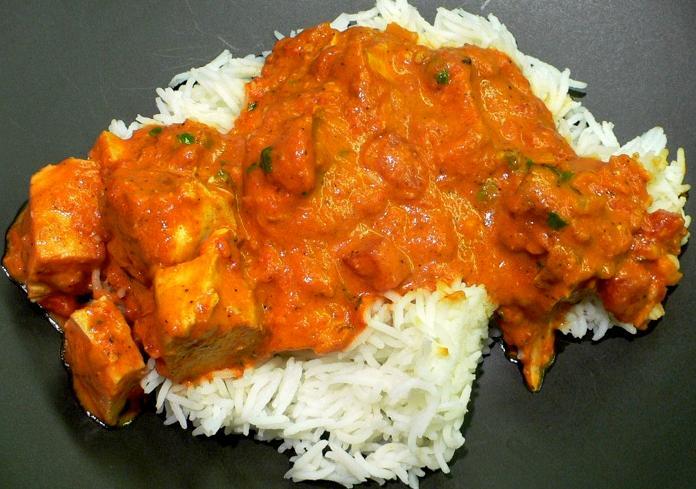
A variety of curries

Global Inspirations for Savory Dishes

Cinnamon’s warm, aromatic flavor is also a staple in many global cuisines, where it adds depth and complexity to a variety of savory dishes.

From the Middle East to North Africa, cinnamon is a common spice used to flavor meats, stews, and tagines. In Ethiopian cuisine, cinnamon is often paired with berbere spices to add warmth to rich stews.

In Asian cuisine, cinnamon is a key component in Korean BBQ, where it’s blended with garlic, ginger, and soy sauce to create a sweet and savory marinade for grilled meats. You can also find cinnamon in Japanese curry powder, adding a subtle warmth to this popular comfort food.

If you’re looking to add some global flair to your cooking, try experimenting with cinnamon in Ethnic Fusion dishes. Combine it with smoked paprika and cumin for a Moroccan-inspired lamb tagine, or blend it with soy sauce and rice vinegar for a Korean-style BBQ sauce.

With its versatility and depth of flavor, cinnamon is the perfect spice to take your savory dishes on a global culinary journey.


Cinnamon’s Surprising Meat Pairings

Cinnamon’s affinity for sweet ingredients often overshadows its ability to pair surprisingly well with a variety of meats, from tender poultry to rich game.

You might be surprised to learn that cinnamon can elevate the flavor of savory dishes, especially when paired with meats.

One of the most popular and unexpected pairings is cinnamon lamb. The warm, spicy flavor of cinnamon complements the rich, gamey taste of lamb perfectly.

Try rubbing a lamb shoulder with a mixture of olive oil, cinnamon, and rosemary, then roasting it to perfection.

Another surprising pairing is cinnamon sweet ribs. Yes, you read that right – sweet ribs!

The sweetness of the ribs balances out the heat of the cinnamon, creating a flavor profile that’s both familiar and excitingly new.

Simply sprinkle a mixture of brown sugar, cinnamon, and smoked paprika over your ribs before tossing them on the grill.

The result is a sweet, sticky, and utterly addictive dish that’ll become a staple in your kitchen.


Warm and Cozy Stew Recipes

Let’s cozy up with a warm, comforting bowl of stew, where cinnamon’s warm, spicy flavor can add depth and complexity to rich, simmering broths.

As the winter nights grow colder, there’s nothing like a hearty portion of stew to warm your belly and your soul. Cinnamon’s subtle sweetness pairs perfectly with the bold flavors of beef, lamb, or venison, creating a rich and satisfying meal that’s sure to become a cold-weather staple.

Try adding a pinch of cinnamon to your next beef stew, where it will complement the bold flavors of red wine and mushrooms.

Or, incorporate it into a Moroccan-inspired lamb stew, where it will add a warm, aromatic flavor to the slow-cooked meat and vegetables.

Whatever recipe you choose, you’ll find that cinnamon adds a unique and comforting dimension to your stew, making it the perfect companion for a cold winter’s night.


Indian-Style Curries to Try Now

As you explore the world of Indian-style curries, add a pinch of cinnamon to transform rich, creamy sauces and tender, slow-cooked meats into unforgettable flavor experiences.

This warm, comforting spice pairs perfectly with the complex blend of Garam Masala, elevating the flavors of coriander, cumin, and cardamom. When choosing a cinnamon variety, opt for Ceylon or Indonesian cinnamon, which offer a more delicate, sweet flavor that won’t overpower the other spices.

In a chicken tikka masala, cinnamon adds a surprising depth to the creamy tomato sauce, while in a beef madras, it enhances the bold, spicy flavors.

You can also experiment with cinnamon in vegetarian curries, like a cauliflower or lentil curry, where it adds a warm, comforting element.

When cooking with cinnamon, remember to add it towards the end of the cooking time, as its delicate flavor can quickly become overpowering.

With a little experimentation, you’ll find that cinnamon is the secret ingredient that takes your Indian-style curries to the next level.


Moroccan Tagines to Spice Up


Place Jemaa el-Fna - Aicha n°1 - Marrakech - Morocco - Maroc - Maroko - Μαρόκο - Fas - Marruecos - Marokko - Марокк picture image photo (9123932853)
The warm, comforting flavor of cinnamon is just as at home in the rich, aromatic stews of Moroccan tagines as it’s in Indian-style curries.

In these slow-cooked masterpieces, cinnamon adds depth and warmth to the complex flavor profiles, blending seamlessly with other spices like cumin, coriander, and ginger.

As you explore the Spice Routes of Morocco, you’ll discover that cinnamon is a staple in many tagine recipes, particularly those featuring lamb, beef, or chicken.

To spice up your tagine game, try adding a cinnamon stick to your pot along with some onions, garlic, and ginger for added depth.

You can also mix cinnamon with other spices like paprika, cumin, and coriander to create a custom blend that suits your taste.

For a vegetarian option, try making a chickpea and apricot tagine with a hint of cinnamon and a drizzle of honey.

Whatever your flavor preference, Moroccan tagines offer endless opportunities to experiment with cinnamon and other spices, so don’t be afraid to get creative and add your own twist to these ancient recipes.


Frequently Asked Questions

Can I Substitute Cinnamon Powder With Cinnamon Sticks in Savory Recipes?

You can substitute cinnamon powder with cinnamon sticks in savory recipes, but be aware that the ratios will differ. For every 1 teaspoon of cinnamon powder, use 2-3 cinnamon sticks, and adjust to taste during Spice swaps.

Does Cinnamon Have Any Health Benefits When Used in Savory Dishes?

Don’t you wonder what secrets cinnamon holds beyond its warm flavor? When you use cinnamon in savory dishes, you’re not only adding taste, but also reaping its health benefits, like boosting antioxidants and reducing inflammation in your body.

How Do I Store Cinnamon to Preserve Its Flavor and Aroma?

You’ll keep your cinnamon fresh by storing it in a cool, dark place in airtight jars or fresh containers, ensuring the lid is tightly sealed to preserve its flavor and aroma.

Can I Use Cinnamon in Savory Dishes for Special Diets, Like Keto or Vegan?

You’re wondering if cinnamon can fit into special diets like keto or vegan. Absolutely! Cinnamon’s warm flavor complements various diet restrictions, and its versatility adapts to diverse flavor profiles, making it a great addition to your healthy recipes.

Is Saigon Cinnamon Better Suited for Savory Dishes Than Ceylon Cinnamon?

You’re cutting to the chase, wondering if Saigon cinnamon is the ace up your sleeve for savory dishes. Its bold, sweet flavor profile, shaped by the Spice Routes, outshines Ceylon’s subtle warmth, making it a better fit for hearty, complex flavors.


Conclusion

As you close the door on this culinary journey, the aroma of warm cinnamon lingers, beckoning you to revisit the flavors you’ve discovered.

Your taste buds, now tantalized by the possibilities, whisper secrets of future meals to come.

The comforting familiarity of classic dishes now wears a sophisticated cloak, while exotic inspirations whisper sweet nothings of adventure.

Savor the memories, and let the gentle warmth of cinnamon guide you to your next gastronomic escapade.

Warm up to a world of flavor with these surprising savory cinnamon recipes that will elevate your cooking to new heights.


You can evoke warm, comforting memories and create perfect desserts for every occasion with cinnamon. From classic treats that never go out of style to seasonal delights that capture the essence of each time of year, cinnamon is the ideal spice to add depth and warmth to your baked goods. Whether you’re looking for a sweet breakfast treat, a festive holiday dessert, or a unique flavor combination, cinnamon pairs perfectly with a variety of fruits, chocolates, and spices. As you explore the world of cinnamon desserts, you’ll discover endless possibilities to make every occasion even sweeter.


Key Takeaways

  • Cinnamon is a versatile spice that elevates classic treats, seasonal delights, and chocolate creations, making it perfect for every occasion.
  • Balance cinnamon with other ingredients to avoid overpowering your desserts, starting with a small amount and adjusting to taste.
  • Pair cinnamon with fruits like apples, bananas, and cranberries for a sweet and spicy harmony that complements natural flavors.
  • Cinnamon-infused treats are ideal for cozy morning gatherings, special occasions, or simple Sunday brunches, adding warmth and comfort to any event.
  • Experiment with different cinnamon and chocolate pairings to create rich, velvety creations that satisfy any sweet tooth.

Classic Cinnamon Treats

You’ll find that cinnamon is an essential ingredient in many classic treats that evoke warm, comforting memories, from sweet breads and cookies to rich coffee cakes and indulgent pastries.

These timeless desserts are deeply rooted in our Cinnamon Heritage, with recipes passed down through generations.

As you continue your baking journey, you’ll discover that cinnamon is an integral part of many Morning Traditions.

Imagine the aroma of freshly baked cinnamon rolls wafting from the oven, signaling the start of a new day.

In many cultures, cinnamon is a staple in traditional breakfast treats, such as sweet breads, muffins, and scones.

It adds a warm, comforting flavor that’s perfect for cozy morning gatherings.

Whether you’re baking for a special occasion or a simple Sunday brunch, cinnamon-infused treats are sure to become a staple in your household.

By incorporating cinnamon into your baking repertoire, you’ll be able to create delicious, nostalgic desserts that evoke feelings of warmth and comfort.


Seasonal Cinnamon Delights

As the seasons change, cinnamon takes on a new role in your baking, elevating festive holiday treats, winter warmers, and summery sweets to new heights.

You’ll find that cinnamon is an essential spice in many seasonal desserts, adding warmth and depth to your creations.

In the fall, incorporate cinnamon into your Autumn Traditions, such as apple crisps, pumpkin pies, or spiced cider donuts.

The aroma of cinnamon will transport your guests to a cozy autumn evening.

As winter sets in, cinnamon becomes a staple in Winter Wonders like gingerbread men, snickerdoodle cookies, or cinnamon roll wreaths.

These sweet treats will be the perfect addition to your holiday gatherings.

In the summer, cinnamon adds a surprising twist to cooling desserts like strawberry shortcake or peach cobbler.

It may seem counterintuitive, but the warmth of cinnamon balances the sweetness of summer fruits, creating a delightful harmony of flavors.


Cinnamon Infused Chocolate Creations

Now that you’ve mastered cinnamon’s role in seasonal desserts, it’s time to explore the rich, velvety world of cinnamon-infused chocolate creations, where the warmth of cinnamon perfectly complements the deep flavors of dark, milk, or white chocolate.

When it comes to creating these decadent treats, the key is to balance the boldness of cinnamon with the richness of chocolate.

Experiment with Cocoa Pairings: Combine cinnamon with dark chocolate for a bold, spicy flavor or with milk chocolate for a sweeter, creamier taste.

Play with Chocolate Textures: Add cinnamon to smooth, velvety chocolate truffles or rough, crunchy chocolate bark for contrasting sensations.

Balance the Spice: Start with a small amount of cinnamon and adjust to taste, as the warmth of the spice can quickly overpower the chocolate.

Get Creative with Add-Ins: Introduce nuts, fruit, or even coffee to create unique flavor combinations that showcase cinnamon’s versatility.


Fruit and Cinnamon Pairings

Three classic fruit and cinnamon pairings to try are apples, bananas, and cranberries, each offering a unique sweet and spicy harmony.

You’ll love how the warm, comforting flavor of cinnamon complements the natural sweetness of these fruits. When combined, they create a delightful balance of flavors that will elevate your baked goods to the next level.

As you experiment with fruit and cinnamon pairings, don’t be afraid to think outside the box.

Summer peaches, for instance, pair beautifully with cinnamon, adding a warm, comforting touch to your peach crisps or cobblers. Berry blends, like blueberries and raspberries, also respond well to a sprinkle of cinnamon, creating a sweet and tangy contrast that’s sure to impress.

Feel free to mix and match different fruits and spices to create unique flavor combinations that reflect your personal taste. With cinnamon as your trusty sidekick, the possibilities are endless!


apple cinnamon muffins
Apple cinnamon muffins. Image by Aline Ponce from Pixabay

Cinnamon Spiced Baked Goods

You’ll find that cinnamon is an incredibly versatile spice when it comes to baked goods, capable of elevating everything from sweet treats like cakes and cookies to savory staples like breads and muffins.

Whether you’re a seasoned baker or a beginner, cinnamon is an essential addition to your pantry. With its rich, warm flavor, it’s no wonder cinnamon has been a prized spice throughout history, dating back to ancient civilizations.

When it comes to incorporating cinnamon into your baked goods, the possibilities are endless.

  1. Cinnamon Swirl Buns: Add a sweet and sticky cinnamon swirl to your morning buns for a delicious breakfast treat.
  2. Cinnamon Apple Muffins: Combine the warmth of cinnamon with the sweetness of apples for a tasty muffin perfect for snacking. Here’s a good recipe for them.
  3. Cinnamon Spice Cake: Blend cinnamon with other spices like nutmeg and ginger to create a moist and flavorful cake.
  4. Cinnamon Raisin Bread: Add a hint of cinnamon to your homemade bread dough for a sweet and savory loaf.

Cinnamon Desserts for Entertaining

When hosting gatherings, impress your guests with cinnamon-infused desserts that evoke warmth and comfort, perfect for creating lasting memories.

These sweet treats will spark conversations and leave a lasting impression on your guests.

A cinnamon-infused dessert bar with an assortment of treats, such as cinnamon sugar donuts, cinnamon swirl brownies, and cinnamon apple crisps, is a great way to encourage mingling and create a cozy atmosphere.

You can also use cinnamon desserts as party favors, packaging them in cute jars or bags with a personalized note.

This thoughtful gesture will have your guests talking long after the party is over.

To take your cinnamon desserts to the next level, consider incorporating unique flavor combinations, such as cinnamon and cardamom or cinnamon and nutmeg.

These unexpected twists will add an extra layer of sophistication to your desserts and keep the conversation flowing.

With cinnamon desserts, you can’t go wrong.

They’re the perfect way to add a touch of warmth and elegance to any gathering, making them a must-have for any host.


Everyday Cinnamon Sweet Treats

While cinnamon-infused desserts may be perfect for special occasions, they’re also a great way to add a spark to your daily routine, and incorporating cinnamon into your everyday sweet treats can bring a sense of warmth and comfort to even the most mundane mornings.

You can easily incorporate cinnamon into your daily baking routine with these sweet treats:

Morning Muffins: Add a sprinkle of cinnamon to your morning muffin batter for a warm and comforting start to your day.

Cinnamon Swirl Buns: Create a sweet and sticky breakfast treat by swirling cinnamon into your dough.

Afternoon Snacks: Whip up a batch of cinnamon-spiced cookies or energy balls to curb your afternoon cravings.

Cinnamon Apple Crumble: Mix cinnamon with oats and sugar for a crunchy topping to your favorite apple crumble recipe.

These sweet treats are sure to become staples in your daily baking routine, adding a touch of warmth and comfort to your everyday life. With cinnamon, you can turn even the most ordinary days into something special.


Oatmeal cookies can also be seasoned with cinnamon.

Frequently Asked Questions

Can I Substitute Cinnamon With Other Spices in Baked Goods?

You can experiment with substituting cinnamon with other spices in baked goods, but be mindful of the flavor profiles you’re creating. Try combining spices to create unique blends that enhance your treats, like nutmeg and cardamom for a warm, aromatic taste.

How Do I Store Cinnamon to Maintain Its Flavor and Aroma?

You keep cinnamon fresh by storing it in an airtight container in a cool, dark place, like your Spice Shelf, to preserve its flavor and aroma, ensuring maximum Cinnamon Freshness for your baked goods.

Is Cinnamon Safe for People With Diabetes to Consume?

You’re wondering if cinnamon is safe for people with diabetes to consume? In moderation, yes, as it can help lower blood sugar levels, but be cautious with cinnamon dosage to avoid spiking your blood sugar.

Can I Use Cinnamon Essential Oil in Baking Instead of Ground Cinnamon?

You’re wondering if you can swap ground cinnamon for cinnamon essential oil in your baked goods. While it’s technically possible, you’ll need to be mindful of cinnamon quality and oil conversion rates to avoid overpowering flavors and textures.

How Do I Remove Excess Cinnamon From a Recipe Without Ruining It?

If you’re facing a cinnamon overload, don’t panic! You can rescue your spice-heavy recipe by reducing the sweetness, adding a dairy component, or incorporating a flavor counterbalance – these tweaks will help neutralize the overpowering cinnamon without ruining your dish.


Conclusion

You’ve made it to the end of this cinnamon-filled journey, and honestly, you’re probably sick of cinnamon by now.

Your kitchen’s a mess, your taste buds are exhausted, and you’re starting to think cinnamon’s the only spice in existence.

But hey, at least you’ve got a bunch of delicious desserts to show for it.

Go ahead, invite your friends over, and watch as they politely decline second helpings of your cinnamon-laden masterpieces.

Nurturing a love for warm and comforting treats, discover the endless possibilities of baking with cinnamon in this comprehensive dessert guide.

Image by Theo Crazzolara from Pixabay


You’re just a sprinkle of cinnamon away from elevating your daily cooking routine! Add a pinch to your oatmeal for a sweet and spicy kick, or mix it with sugar for a crunchy muffin topping. Cinnamon pairs perfectly with savory ingredients too, creating unique flavors in beef stew or Moroccan dishes. It adds warmth to morning treats, depth to baked goods, and sophistication to global culinary adventures. From Indian curries to Mexican mole sauce, cinnamon is a versatile spice that takes sweet treats to the next level. Explore the many faces of cinnamon, and discover a world of flavors awaiting you.

Key Takeaways

  • Incorporate cinnamon into your morning routine by adding it to oatmeal, muffins, or breakfast bread for a sweet and spicy flavor boost.
  • Pair cinnamon with savory ingredients like beef, chickpeas, or onions to create unique and delicious dinner dishes.
  • Add warmth and depth to sweet baked goods like cinnamon rolls, coffee cakes, and sweet breads by incorporating cinnamon into the recipe.
  • Explore global cuisines like Moroccan, Indian, and Mexican to discover new and exciting ways to use cinnamon in your daily cooking.
  • Take your desserts to the next level by infusing cinnamon into sweet treats like crème, cheesecake, apple crisp, or oatmeal raisin cookies.

Cinnamon-Kissed Breakfast Delights

What’s the secret to starting your day off right – a sprinkle of warm, comforting cinnamon in your breakfast treats?

You’ll be delighted to know that incorporating cinnamon into your morning routine can do wonders for your taste buds and energy levels.

Begin with a warm bowl of Cinnamon Oatmeal, infused with the sweet and spicy flavors of this beloved spice. Simply add a pinch of cinnamon to your oatmeal while it’s cooking, and top with fresh fruits or nuts for added crunch.

If you’re in a hurry, whip up a batch of Morning Muffins, loaded with cinnamon’s cozy goodness.

Mix cinnamon with sugar and sprinkle it on top of your muffins before baking for a sweet and crunchy topping. Alternatively, add a teaspoon of cinnamon to your muffin batter for a subtle yet satisfying flavor.

Whatever your breakfast style, cinnamon is sure to add a warm and inviting touch to your morning routine. So go ahead, give cinnamon a try, and start your day off on the right foot!

Savory Suppers With a Twist

You can add a surprising depth of flavor to your evening meals by incorporating cinnamon into your savory suppers.

This warm spice is often associated with sweet treats, but it pairs perfectly with savory ingredients to create unique and delicious dishes.

For instance, try adding cinnamon to your beef stew or braise for a rich, comforting flavor.

Cinnamon Beef is a popular Moroccan dish that’s easy to make and packed with flavor. Simply season your beef with cinnamon, ginger, and garlic, then slow-cook it in a flavorful broth.

If you’re looking for a vegetarian option, Spicy Chickpeas are a great choice.

Simply sauté chickpeas with onions, garlic, and a pinch of cinnamon, then add a dash of cumin and chili flakes for a spicy kick.

You can serve this dish as a side or add it to a bed of quinoa or rice for a filling meal.

With cinnamon, the possibilities are endless, and you’ll love experimenting with new flavor combinations to add excitement to your evening meals.

Cinnamon-Spiced Baked Goods

One of the most iconic uses of cinnamon is in sweet baked goods, where it adds warmth and depth to treats like cinnamon rolls, coffee cakes, and sweet breads.

You’ll love experimenting with different types of cinnamon-infused treats, from sweet breakfast pastries to indulgent desserts.

Why not try making a batch of Morning Muffins, infused with the warmth of cinnamon and topped with a crumbly oat streusel?

Or, create a show-stopping Cinnamon Swirls recipe, where layers of flaky pastry are swirled with a sweet cinnamon filling.

When it comes to incorporating cinnamon into your baked goods, the key is to balance the spice with sweetness.

Start by adding a small amount of cinnamon to your favorite recipes and adjust to taste.

You can also try pairing cinnamon with other spices, like nutmeg or cardamom, to create complex and intriguing flavor profiles.

Whether you’re a seasoned baker or just starting out, cinnamon is a versatile spice that’s sure to elevate your sweet treats to the next level.

Global Inspirations With Cinnamon

Exploring global cuisines, you’ll discover cinnamon’s versatility in exotic dishes, from sweet Moroccan pastries to savory Indian curries.

In Moroccan cuisine, cinnamon is a staple spice in traditional tagines, slow-cooked stews made with meat, vegetables, and dried fruits. You can add a warm, comforting aroma to your tagines by combining cinnamon with ginger, cumin, and coriander.

In Indian cuisine, cinnamon is a common ingredient in curries, adding depth and warmth to rich, spicy sauces. You can make a delicious chicken or vegetable curry by sautéing onions, ginger, and garlic, then adding a mixture of ground spices, including cinnamon, turmeric, and cayenne pepper. Let the flavors meld together, and serve over basmati rice or with naan bread.

As you explore global cuisines, you’ll find cinnamon popping up in unexpected places, from Mexican mole sauce to Middle Eastern desserts. By incorporating cinnamon into your international cooking, you’ll add a new level of sophistication and warmth to your dishes. So don’t be afraid to experiment and find new ways to use this versatile spice in your global culinary adventures!

Decadent Desserts With Cinnamon

Sink your teeth into the richness of cinnamon-infused desserts, where this warm, comforting spice elevates sweet treats to new heights. You’ll be hooked from the first bite!

Cinnamon’s unique flavor adds depth and warmth to classic desserts, making them truly unforgettable. Imagine sinking your spoon into a velvety Cinnamon Crème, where the sweetness of cream and sugar is perfectly balanced by the warmth of cinnamon.

Or, picture yourself indulging in a slice of Snickerdoodle Cheesecake, where the crunch of cinnamon sugar and the chew of snickerdoodle cookies meet the creaminess of cheesecake. It’s a match made in heaven!

Cinnamon’s versatility also makes it perfect for experimenting with new recipes. Try adding it to your favorite apple crisp or oatmeal raisin cookies for an extra boost of flavor.

Whether you’re a classic dessert lover or an adventurous baker, cinnamon is the perfect spice to take your sweet treats to the next level. So go ahead, get creative, and let the warmth of cinnamon spice up your dessert game!


Frequently Asked Questions

Can I Use Cinnamon Sticks Instead of Ground Cinnamon in Recipes?

You’re wondering if you can swap cinnamon sticks for ground cinnamon in recipes? Yes, you can! Just remember to do a cinnamon conversion, as one stick equals about half a teaspoon of ground cinnamon, and be prepared to toast or grind whole spices for maximum flavor.

Is Ceylon Cinnamon Healthier Than Cassia Cinnamon?

You’re wondering if Ceylon cinnamon is healthier than Cassia cinnamon? Well, when sourcing cinnamon, you’ll find that Ceylon has a sweeter, more delicate flavor profile and lower coumarin levels, making it a potentially healthier choice for you.

How Do I Store Cinnamon to Preserve Its Flavor and Aroma?

You’ll keep your cinnamon fresh by storing it in airtight containers, like glass jars, away from light and heat on spice shelves or in a cool, dark cabinet, ensuring its flavor and aroma last longer.

Can I Grow My Own Cinnamon Tree at Home?

You’re dreaming of having a cinnamon tree that’s taller than you, but realistically, you can grow a smaller one at home! Head to a Cinnamon Nursery, grab a sapling, and plant it in soil with precise Soil Requirements, and voilà, you’ll be harvesting in no time!

Is Cinnamon Safe to Consume for People With Diabetes?

You’re wondering if cinnamon is safe for you with diabetes. Good news: moderate cinnamon consumption won’t worsen blood sugar control, and it might even improve insulin sensitivity, but always consult your doctor to determine the right amount for you.

Conclusion

As you close this culinary journey, the aroma of cinnamon still lingers, teasing your senses and leaving you wanting more.

You’ve discovered the versatility of this ancient spice, from breakfast delights to savory suppers, and from sweet treats to global inspirations.

But the question remains: what’s the next cinnamon-infused creation you’ll conjure up?

The possibilities are endless, and the world of flavors is yours to explore.

The cinnamon trail awaits – where will you take it next?

Savor the warmth and depth of cinnamon in sweet and savory dishes, from morning treats to global culinary adventures.


You’re about to discover the world of extracts, where concentrated blends of plant-based ingredients are tailored to address specific health concerns, enhance product flavors, and offer unique benefits for cosmetics, pharmaceuticals, and more. Extracts are made from a mix of roots, leaves, and seeds, combining to create potent formulas. Each type of extract has its own unique properties, from anti-inflammatory compounds to antioxidant properties. As you explore the world of extracts, you’ll find they can elevate products, reduce waste, and even support sustainable practices. You’re just getting started – there’s much more to uncover about the possibilities of extracts.

Key Takeaways

  • Extracts are concentrated blends of plant-based ingredients, combining roots, leaves, and seeds to create potent formulas addressing specific health concerns.
  • The extraction process requires precision and care, involving various methods like solvent-based, mechanical, and enzymatic techniques to guarantee high-quality extracts.
  • Extracts are tailored to specific industries and applications, including food, cosmetics, pharmaceuticals, and more, each with unique characteristics and uses.
  • Incorporating extracts into products can create high-quality products with a longer shelf life, reduce waste, and have a positive environmental impact.
  • When choosing an extract, consider desired benefits, skin type, flavor profile, budget, and potential interactions to ensure the right extract is selected.

What Are Extracts Made Of

Extracts are typically made from a concentrated blend of plant-based ingredients, such as roots, leaves, and seeds, which are carefully combined to create a potent and effective formula.

When you think about it, extracts are basically a condensed version of plant matter, packed with chemical compounds that give them their unique properties.

These chemical compounds can be found in various parts of the plant, such as the roots, stems, and leaves.

For instance, the roots of the echinacea plant contain compounds that have anti-inflammatory properties, while the leaves of the peppermint plant are rich in menthol, which can help soothe digestive issues.

By combining these plant-based ingredients in specific proportions, manufacturers can create extracts that are tailored to address specific health concerns.

As you explore the world of extracts, you’ll discover that each one is a carefully crafted blend of plant matter and chemical compounds, designed to provide a specific benefit or solution.

The Extraction Process Explained

The extraction process is a delicate art that requires precision and care to guarantee the highest quality extracts.

Manufacturers employ various extraction methods, including solvent-based, mechanical, and enzymatic techniques, to release the desired compounds from the plant material. Each method has its own strengths and weaknesses, and the choice of method depends on the type of plant, desired compound, and intended use of the extract.

As the demand for extracts grows, manufacturers are scaling up their operations to meet industrial demands.

Industrial scaling involves adapting extraction methods to accommodate large quantities of plant material, while maintaining consistency and quality. This requires significant investments in equipment, personnel, and facilities.

Types of Extracts Available

With a vast array of plant species and extraction methods at their disposal, manufacturers can create a diverse range of extracts tailored to specific industries and applications.

You’ll find extracts that cater to the food and beverage industry, boasting unique flavor profiles that enhance the taste and aroma of products. From sweet and fruity to spicy and savory, these extracts are designed to meet specific extract trends.

In the cosmetics industry, you’ll discover extracts with anti-aging, moisturizing, or antioxidant properties that benefit skin and hair care products. Meanwhile, pharmaceutical companies rely on extracts with specific bioactive compounds to develop medicines and supplements.

As you explore the world of extracts, you’ll come across other types, such as essential oils, herbal extracts, and oleoresins, each with its own distinct characteristics and uses. With so many options available, it’s no wonder extracts have become an essential component in various industries.

Benefits of Using Extracts

As you explore the various types of extracts, it’s clear that incorporating them into your products can have a significant impact on their quality and performance.

One of the most notable benefits is the ability to create high-quality products with a longer shelf life. This is especially important for industries that rely on consistent and reliable products, such as cosmetics and pharmaceuticals.

Incorporating extracts into your products can also have a positive environmental impact.

Reduced waste: Extracts allow you to use only the active ingredients of a plant, reducing waste and the environmental impact of harvesting and processing.

Sustainable sourcing: Many extracts are sourced from sustainable and renewable resources, reducing the strain on natural resources.

Cost-effective: Extracts can be a cost-effective alternative to using whole plants or synthetic ingredients, making them a more economical choice for businesses.

Safety Precautions and Concerns

When working with extracts, caution is necessary and you must follow proper safety protocols to avoid potential risks and allergic reactions.

Even with natural ingredients, extracts can be potent and cause adverse effects if not handled correctly. It’s essential to research the specific extract you’re working with and understand its potential interactions and side effects.

You should also take necessary precautions to minimize skin contact and inhalation of the extract.

Professional training is highly recommended to guarantee you’re equipped to handle extracts safely.

A trained professional will know how to handle extracts, store them properly, and use the right equipment to minimize risks. They’ll also be aware of the necessary first aid procedures in case of an accident or allergic reaction.

Don’t take risks with your health and safety – invest in professional training to confirm you’re working with extracts confidently and safely.

Choosing the Right Extract

You’ll need to weigh several factors to choose the right extract for your specific needs, including the desired benefits, your skin type, and the concentration of the active ingredients. This guarantees you get the most out of your extract and avoid any potential adverse reactions.

When selecting an extract, consider the following key factors:

Desired Benefits: What do you want to achieve with your extract? Do you want to improve skin health, boost energy, or enhance cognitive function?

Flavor Profile: Do you prefer a mild, subtle flavor or a strong, pungent one? This can affect how you use the extract and how it interacts with other ingredients.

Budget Constraints: How much are you willing to spend on an extract? High-quality extracts can be expensive, but they’re often worth the investment.

Uses and Applications of Extracts

Two main uses of extracts stand out: incorporating them into your daily routine and using them to create customized products.

You can easily add extracts to your daily routine by mixing them into your favorite recipes or beverages. For instance, you can infuse your morning smoothie with a boost of antioxidants from a berry extract or add a hint of flavor to your baked goods with a vanilla extract. This is where culinary innovation comes in – you can experiment with different flavor profiles and create unique dishes that showcase the extract’s potential.

On the other hand, extracts can be used to create customized skincare products that cater to your specific skin type and concerns.

You can mix a few drops of an extract into your moisturizer or face mask to enhance its benefits. For example, a green tea extract can help soothe and calm your skin, while a chamomile extract can provide anti-inflammatory properties.

Conclusion

You’ve ventured into the world of extracts, and now you’re equipped with the knowledge to tap into their full potential.

Whether you’re a seasoned pro or just starting out, remember that extracts offer precision, convenience, and versatility.

They can elevate your creations, simplify your process, and open up new possibilities.

So, experiment with different types, applications, and uses – and discover the endless opportunities that extracts have in store for you.

Master the art of harnessing nature's potency with extracts, a world of concentrated plant-based blends waiting to be unlocked.


You’re about to discover the secrets of combining spices to create perfect flavors that elevate your dishes and leave a lasting impression on your taste buds. Understanding spice flavor profiles is key, as each spice has a unique profile that can complement or clash with others. Balancing warm and cool spices is essential, and pairing spices by cuisine type can help you create authentic flavors. Start with classic combinations, then experiment with unconventional pairings and consider the role of salt in enhancing flavors. As you explore the world of spice pairings, you’ll discover new flavor possibilities waiting to be uncovered.

Key Takeaways

  • Understanding spice flavor profiles, including warm and cool spices, is crucial for creating harmonious flavor combinations.
  • Balancing warm and cool spices requires identifying the dominant flavor profile of the dish and adjusting accordingly.
  • Pairing spices by cuisine type, such as Indian or Middle Eastern, can help create authentic and vibrant flavors.
  • Experimenting with unconventional spice pairings, such as cumin and cinnamon, can lead to bold and exciting flavors.
  • Considering the role of salt in balancing and enhancing flavors can elevate spice pairings and create a harmonious whole.

Understanding Spice Flavor Profiles

Venture into the world of spices and you’ll quickly realize that each one has a unique flavor profile that can either complement or clash with others.

As you explore the vast array of spices, you’ll discover that understanding their flavor profiles is essential for creating harmonious pairings. Spice chemistry plays a significant role in shaping these profiles, with different compounds contributing to the overall flavor, aroma, and texture of each spice.

To better grasp these complex flavor profiles, flavor wheels can be a valuable tool.

These visual representations group spices into categories based on their flavor characteristics, such as sweet, sour, salty, bitter, and umami. By using flavor wheels, you can identify spices that share similar flavor profiles and pair them accordingly.

For instance, spices with sweet and spicy profiles, like cinnamon and cayenne pepper, can complement each other beautifully.

Balancing Warm and Cool Spices

As you experiment with different spice pairings, you’ll find that balancing warm and cool spices is essential to creating harmonious flavor combinations.

Warm spices like cinnamon, nutmeg, and ginger evoke feelings of comfort and coziness, while cool spices like peppermint, eucalyptus, and lemongrass are invigorating and revitalizing.

When combining warm and cool spices, it’s vital to find a balance that doesn’t overpower the dish.

To achieve spice harmony, start by identifying the dominant flavor profile of your dish.

If it’s warm, add a pinch of cool spice to balance it out. Conversely, if it’s cool, add a dash of warm spice to add depth.

For example, a warm curry can be balanced with a sprinkle of cool cilantro, while a rejuvenating salad can be elevated with a pinch of warm cumin.

As you master the art of balancing warm and cool spices, you’ll discover flavor nuances that will take your dishes to the next level.

Remember, the key is to find harmony, not to overpower.

Pairing Spices by Cuisine Type

When exploring global cuisines, you’ll notice that specific spice pairings are often intrinsic to their cultural identity, with Indian curries relying on turmeric and cumin, while Chinese stir-fries frequently combine ginger and star anise.

This connection between spices and cultural heritage is a reflection of the power of regional traditions in shaping the flavors we love.

Middle Eastern: Cumin, coriander, and sumac evoke the vibrant flavors of falafel and shawarma.

Thai: Fish sauce, lemongrass, and chili flakes bring the bold, sour, and spicy flavors of tom yum soup to life.

Mexican: Cumin, chili powder, and oregano add depth and warmth to tacos and burritos.

Japanese: Ginger, soy sauce, and sesame oil create a harmonious balance in sushi and ramen.

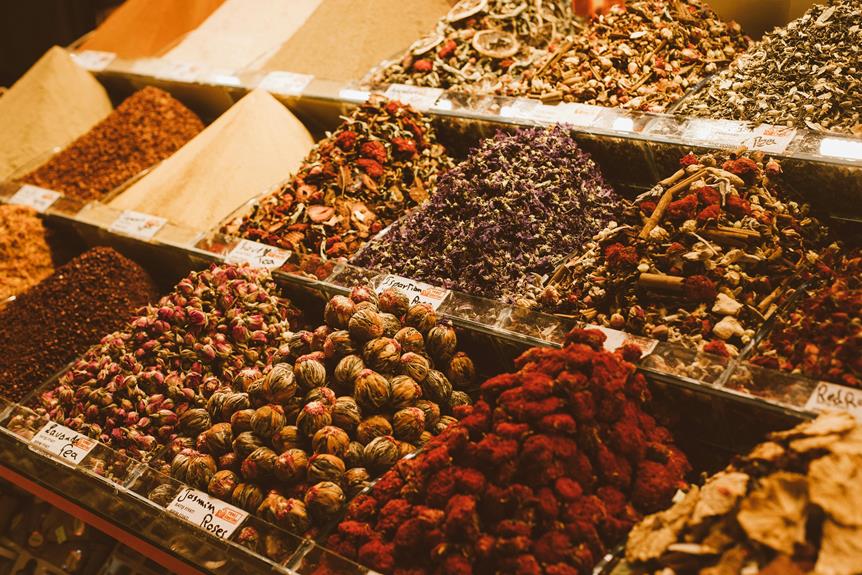
North African: Cumin, paprika, and cinnamon transport you to the spice markets of Marrakech.

Classic Combinations to Start With

You can start building your spice repertoire with these timeless pairings that have stood the test of time and flavor.

From the warm, aromatic duo of cumin and coriander to the bold, savory combination of thyme and rosemary, these classic pairings will become the foundation of your Flavor Routines.

The Spice Heritage of different cultures has given us many of these iconic pairings, which have been refined over generations to create harmonious and balanced flavors.

Some other essential pairings to try include cinnamon and nutmeg, garlic and ginger, and paprika and chili powder.

These combinations will add depth and complexity to your dishes, and can be used in a variety of recipes.

Don’t be afraid to experiment and adjust the proportions of each spice to suit your taste.

As you become more comfortable with these classic pairings, you’ll find yourself reaching for them again and again to elevate your cooking.

Experimenting With Unconventional Pairings

Now that you’ve mastered the classic pairings, it’s time to shake things up by pairing spices in unexpected ways to create bold, exciting flavors.

This is where the real fun begins, and you get to tap into your creativity in the kitchen.

Experimenting with unconventional pairings can lead to Flavor Clashes, but it can also result in Spice Surprises that will elevate your dishes to the next level.

Cumin and coriander with sweet spices like cinnamon and nutmeg

Smoky paprika with bright, citrusy flavors like lemon and orange

Earthy thyme with tangy, sour flavors like vinegar and citrus

Spicy cayenne pepper with cooling, creamy flavors like yogurt and dill

Warm, aromatic spices like cardamom and ginger with bright, zesty flavors like grapefruit and lime

Considering the Role of Salt

Beyond the domain of spices, salt plays a crucial role in balancing and enhancing the flavors you’ve carefully crafted.

It’s more than just a seasoning; salt is a flavor amplifier that brings out the best in your spice pairings. When used correctly, salt can elevate your dishes from mediocre to magnificent.

Think of salt as a flavor enhancer that highlights the natural flavors of your ingredients, rather than overpowering them. It’s especially important when working with delicate flavors, as salt can help bring them to the forefront.

Don’t be afraid to experiment with different types of salt, like fleur de sel or Himalayan pink salt, to find the one that complements your spice pairings best.

Remember, a pinch of salt can make all the difference in balancing the flavors in your dish. By incorporating salt into your spice pairing strategy, you’ll be amazed at how it can take your cooking to the next level.

With salt on your side, you’ll be well on your way to creating truly unforgettable flavors.

Building Layers of Flavor

As you combine spices with salt, the next essential step in crafting complex flavors is to build layers of flavor, allowing each component to shine while creating a harmonious whole. This is where the magic happens, and your dish transforms from ordinary to extraordinary.

To build layers of flavor, you’ll want to create flavor bridges: use spices that share similar flavor profiles to connect different ingredients, like pairing cumin with coriander in a Mexican-inspired dish.

Add depth to your flavors by incorporating spices with different intensities, such as combining mild paprika with bold chipotle peppers. This is known as a depth charge.

Guarantee no single flavor dominates the dish by balancing sweet, sour, salty, and umami notes. This balance of flavors is crucial in creating a harmonious whole.

Incorporate spices with distinct aromas, like cinnamon or cardamom, to add complexity to your flavors. This adds an aromatic layer to your dish.

Adjust the proportions of your spice blend to find the perfect harmony of flavors. Experimenting with ratios is key to achieving a balanced flavor profile.

Tips for Customizing Spice Blends

You can tailor your spice blends to specific dishes or cuisines by experimenting with different ratios of spices and adding unique flavor components. This customization process allows you to create signature flavors that elevate your cooking.

To get started, try keeping a Spice Journal to track your experiments and note what works and what doesn’t. This will help you identify patterns and preferences in your flavor combinations.

As you refine your blends, use Flavor Roadmapping to visualize the flavor profiles you’re aiming for. This involves mapping out the sweet, sour, salty, bitter, and umami elements in your dish and adjusting your spice blend accordingly.

Frequently Asked Questions

Can I Use Spice Pairings With Herbs and Other Seasonings?

You can definitely combine spice pairings with herbs and other seasonings to create complex Flavor Enhancers. Try pairing aromatic spices with fresh herbs for unique Aromatic Combinations that elevate your dishes to new heights.

How Do I Store Spice Blends to Preserve Flavor and Aroma?

You store spice blends in air-tight containers to preserve flavor and aroma, and implement a spice rotation system to guarantee older blends get used before they lose potency.

Are There Any Spice Pairing Rules for Specific Cooking Methods?

When cooking, you’ll find that specific methods require different spice approaches. For grilling, follow grilling guidelines to balance bold flavors, while braising basics emphasize rich, deep flavors, and you’ll soon master spice pairing for any dish.

Can I Adjust Spice Pairings for Different Diets and Restrictions?

You can easily adapt spice pairings to fit different diets by making vegan adaptations, like swapping honey for maple syrup, and gluten-free swaps, such as using rice flour instead of wheat flour, to accommodate specific needs.

How Often Should I Refresh My Spice Collection for Optimal Flavor?

Did you know that 40% of spices lose their potency within 6 months? You should refresh your spice collection every 3-6 months to maintain peak flavor. Implement a spice rotation to guarantee vibrant flavor profiles.

Conclusion

You’ve now discovered the secrets to crafting perfect spice pairings!

With these techniques, you’ll be well on your way to creating complex and harmonious flavors.

Did you know that 75% of flavor comes from smell, making spice combinations a vital aspect of cooking?

By experimenting with new pairings and building layers of flavor, you’ll elevate your dishes and tantalize your taste buds.

Get creative and remember, the art of spice pairing is all about balance and experimentation!

Widen your culinary horizons by mastering the art of combining spices to create bold, complex flavors that will leave you wanting more.


You’re about to discover the art of crafting unique spiced tea blends that tantalize your taste buds and evoke feelings of comfort and nostalgia. Start by selecting high-quality tea leaves, aromatic spices, and sweeteners from reliable suppliers. Understand the characteristics of different tea bases, like black, green, and herbal, to enhance your desired flavors. Balance sweet and savory notes by considering cultural influences and personal tastes. Measure ingredients accurately, mix well, and store your blend in airtight containers to preserve flavors. Now, get ready to experiment with new combinations and refine your skills – the world of spiced tea blending is full of endless possibilities waiting to be explored.


Key Takeaways

  • Select high-quality tea leaves, aromatic spices, and sweeteners to create a flavorful foundation for your custom blend.
  • Understand the characteristics of different tea bases, such as black, green, white, and herbal, to pair with desired flavors.
  • Balance sweet and savory notes by considering cultural influences and personal taste preferences when selecting spices and herbs.
  • Measure ingredients accurately, mix well, and store the blend in airtight containers to preserve flavors and aromas.
  • Experiment with unique flavor combinations and troubleshoot common issues to refine your spiced tea blending skills.

Gathering Essential Ingredients

As you begin crafting your signature spiced tea blends, gather essential ingredients like high-quality tea leaves, aromatic spices, and sweeteners to create a flavorful foundation.

You’ll want to source reliable suppliers for these ingredients to guarantee consistency and quality in your blends. Research local health food stores, specialty spice shops, or online retailers that offer bulk options to find the best deals.

Consider factors like freshness, packaging, and customer reviews when selecting your suppliers.

Once you’ve gathered your ingredients, organize your pantry to maximize storage and accessibility.

Designate a specific area for your tea leaves, spices, and sweeteners, and use airtight containers to preserve flavors and aromas. Label each container so you can easily identify the contents.

This will save you time and frustration when creating new blends or restocking your supplies. A well-organized pantry will also help you keep track of your inventory, making it easier to order more supplies when needed.

Understanding Tea Base Options

You’ll want to choose a tea base that complements your desired flavor profile, as this foundation will greatly impact the overall character of your spiced tea blend.

The type of tea you select will influence the flavor, aroma, and overall experience of your final product. Consider the Tea Regions you’re drawn to, as each region imparts unique characteristics to the tea. For instance, teas from India tend to be stronger and more full-bodied, while those from Japan are often lighter and more delicate.

When selecting a tea base, think about Base Pairing. Do you want a bold black tea to stand up to robust spices, or a delicate green tea to subtly complement floral notes?

Consider the flavor profile you’re aiming for and choose a tea base that will enhance, rather than compete with, your desired flavors. Black, green, white, and herbal teas all offer distinct possibilities for your spiced tea blend.

Choosing Spices and Herbs

With your tea base selected, turn your attention to the vast world of spices and herbs, where a pinch of this and a dash of that can transform your blend into a truly unique and tantalizing experience.

You’re about to tap into a treasure trove of flavors, aromas, and benefits that’ll elevate your spiced tea game.

When choosing spices and herbs, consider their cultural significance and the role they play in traditional medicine.

For instance, ginger has been revered in Asian cultures for its digestive benefits, while turmeric is prized in Ayurvedic medicine for its anti-inflammatory properties.

You can draw inspiration from these cultural traditions to create blends that not only taste amazing but also offer medicinal benefits.

Some popular spices and herbs to explore include cinnamon, cardamom, cloves, and star anise, each with its unique flavor profile and benefits.

You can also experiment with herbs like peppermint, lemongrass, and hibiscus to add freshness and depth to your blends.

Flavor Profile Considerations

Now that you’ve selected your spices and herbs, it’s time to think about how they’ll work together to create a harmonious flavor profile that resonates with your taste buds.

As you combine your ingredients, consider the cultural inspirations behind different spice blends. For instance, Indian-inspired blends often feature warming spices like cinnamon and ginger, while Moroccan blends might include sweet and spicy notes from cinnamon and ginger. Think about how these cultural influences can inform your own unique flavor profile.

But cultural inspirations are just the starting point.

Your personal preferences also play a vital role in shaping your flavor profile.

Do you prefer sweet and soothing or bold and spicy? Do you have a favorite fruit or floral note that you’d like to incorporate?

By considering your personal tastes, you can tailor your spice blend to your unique preferences.

Take a moment to reflect on what you enjoy and what you’re looking to achieve with your spiced tea blend.

This will help you create a flavor profile that’s truly your own.

Balancing Sweet and Savory

Your spiced tea blend’s flavor profile relies heavily on striking a balance between sweet and savory notes. This delicate balance is essential, as it directly affects the overall taste experience.

You see, sweet flavors can evoke feelings of comfort and nostalgia, while savory notes can add depth and complexity. According to flavor psychology, our brains respond differently to these flavor profiles, so finding a harmonious balance is key.

Cultural influences also play a significant role in shaping your preferences for sweet and savory flavors. For instance, some cultures tend to lean towards sweeter flavors, while others prefer more savory notes.

Consider the spices and sweeteners commonly used in the cultural traditions that inspire your blend. Do you want to evoke the warm, spicy flavors of Indian chai or the sweet, comforting notes of a British tea?

When balancing sweet and savory flavors, start by identifying the dominant flavor profile you want to achieve. Then, experiment with different spices, herbs, and sweeteners to find the perfect harmony.

Creating a Custom Blend

Crafting a custom blend is an art that requires careful consideration of your personal taste preferences and the flavor profiles you want to highlight. You’ll want to think about the spices, herbs, and teas that you enjoy the most and how they can work together to create a unique flavor experience.

To get started, consider the following:

Personal preferences: What spices and herbs do you love? Do you prefer sweet and fruity or savory and spicy?

Cultural inspirations: Are you drawn to traditional blends from India, Morocco, or China? Do you want to incorporate flavors from a specific region or culture?

Flavor profiles: Do you want a bold and spicy blend or a soothing and calming one?

Experimentation: Don’t be afraid to try new combinations and adjust the ratios of ingredients to suit your taste.

Measuring and Mixing

To verify accuracy, start by calibrating your scale to zero, then measure each ingredient according to your recipe. Be precise, as even small variations can affect the overall flavor.

Next, perform a ratio analysis to determine the ideal proportions of each ingredient. This will help you achieve a balanced flavor and avoid overpowering notes. For example, if your recipe calls for 20% cinnamon, 30% ginger, and 50% black tea, make sure to measure each ingredient accordingly.

Once you’ve measured out each ingredient, mix them together in a bowl until well combined. Be gentle to avoid crushing or bruising the ingredients, which can lead to an uneven flavor.

As you mix, take note of the aroma and adjust the proportions if needed. Remember, the key to a great spiced tea blend is finding the perfect balance of flavors.

Storing Your Blend Properly

Now that you’ve perfected your custom spiced tea blend, you must safeguard that you store it in a way that preserves its flavor and aroma. Proper storage is vital to maintaining the quality of your blend. You’ve invested time and effort into creating the perfect mix, so don’t let it go to waste by storing it improperly.

Use airtight containers: This will prevent air from getting in and spoiling your blend. Glass or ceramic containers with tight-fitting lids are ideal.

Store in cool dark places: Avoid storing your blend near a heat source, oven, or direct sunlight, as this can cause the spices to lose their potency.

Keep it away from moisture: Moisture can cause your blend to become stale or even develop mold.

Label and date your containers: This will help you keep track of how long your blend has been stored and guarantee you use the oldest batches first.

Experimenting With New Flavors

Take your spiced tea game to the next level by diving into the world of new flavors, where you can mix and match ingredients to create unique twists on your favorite blends.

As you explore, you’ll venture on flavor journeys that take you to exotic Spice Routes, where aromas and tastes converge.

Don’t be afraid to try unconventional pairings – like rose petals with black pepper or lemongrass with ginger – to create one-of-a-kind flavor profiles.

Start by selecting a base tea, then add spices, herbs, or botanicals to craft a blend that suits your taste buds.

Remember, the key to successful experimentation is to taste as you go, adjusting the proportions of each ingredient until you’ve struck the perfect balance.

With each new blend, you’ll refine your skills and develop a deeper understanding of how different flavors interact.

Troubleshooting Common Issues

Flavor frustrations arise when your carefully crafted blends fall flat, but don’t let them discourage you – identifying and resolving common issues is a crucial step in refining your spiced tea skills.

As you experiment with new flavors, you’ll likely encounter some setbacks. Don’t worry, it’s all part of the process!

Common issues you might face and how to overcome them:

Tea Contamination: If your tea tastes bitter or unpleasantly earthy, it may be due to contamination from other ingredients or storage issues. Try switching to airtight containers and storing your tea in a cool, dry place.

Blend Inconsistencies: If your blends taste inconsistent, it could be due to varying ratios of ingredients or uneven grinding. Double-check your measurements and grind your spices to a uniform consistency.

Overpowering Spices: If a particular spice is overwhelming the other flavors, try reducing the amount used or substituting it with a milder alternative.

Lack of Balance: If your blend lacks balance, experiment with adjusting the ratio of sweet, spicy, and savory ingredients to find a harmonious combination.

Frequently Asked Questions

Can I Use Pre-Ground Spices in My Spiced Tea Blends?

When using pre-ground spices, you’ll sacrifice some spice freshness, which can alter your flavor profile. However, if you’re short on time or skill, pre-ground spices can still work, just be prepared for a less vibrant taste experience.

Are There Any Tea Bases That Are Caffeine-Free?

Imagine a blank canvas, waiting for your brushstrokes of flavor. You’re seeking caffeine-free tea bases, and you’ll find solace in herbal options like peppermint, chamomile, or lemongrass, as well as Rooibos alternatives like honeybush or yerba mate.

Can I Add Honey or Sugar to My Tea Blend Mixture?

You can definitely add honey or sugar to your tea for a sweet treat, but consider the flavor profiles you’re aiming for, as some sweetener options might overpower or complement your blend’s unique taste.

How Long Does a Homemade Spiced Tea Blend Last?

As you savor the aroma of your latest creation, remember that time is a thief, stealing flavor and freshness. You’ll want to make fresh batches every 2-3 months; proper storage tips, like airtight containers, will help preserve the magic.

Can I Give My Custom Tea Blend as a Gift?

You’re wondering if you can give your custom tea blend as a gift? Absolutely! Consider gift wrapping it in decorative tins or jars, and add personalization ideas like custom labels or handwritten notes to make it extra special.

Conclusion

You’ve now got the keys to creating your own unique spiced tea blends!

With a little experimentation and patience, you’ll be sipping on your new favorite brew in no time.

Did you know that tea is the most widely consumed beverage in the world, after water?

With over 3 billion cups consumed daily, it’s no wonder people are always looking for new ways to spice things up.

Get creative, and who knows, you might just stumble upon the next big thing in spiced tea!

Nurture your senses by crafting unique spiced tea blends that evoke feelings of comfort and nostalgia with these expert tips and techniques.

Glen MacLarty, CC BY 2.0, via Wikimedia Commons
You’re about to discover a world of sweet and spicy indulgences, where aromatic flavors of cinnamon, cardamom, ginger, and saffron add an exotic twist to classic desserts. Imagine rich, creamy custard infused with the warmth of cinnamon, cardamom, and ginger, or delicate panna cotta with a soft, sun-kissed glow from saffron. Alternatively, balance sweet and spicy with cardamom-crushed chocolate truffles or tender pears and ginger in a buttery pastry crust. Even morning treats get a boost with coffee and cinnamon-swirled brioche donuts. Get ready to explore a world where exotic spices elevate dessert to a whole new level, and you’re just one bite away from…

Key Takeaways

  • Spicy Chai Crème Brûlée Delights combine aromatic spices like cinnamon, cardamom, and ginger with rich creamy custard for a unique dessert experience.
  • Saffron Sunset Panna Cotta Dreams infuse delicate threads of saffron into creamy panna cotta for a warm, sun-kissed dessert with a subtle, ethereal quality.
  • Cardamom Crush Chocolate Truffles balance the sweetness of rich chocolate with the warm, spicy essence of ground cardamom for a unique flavor combination.
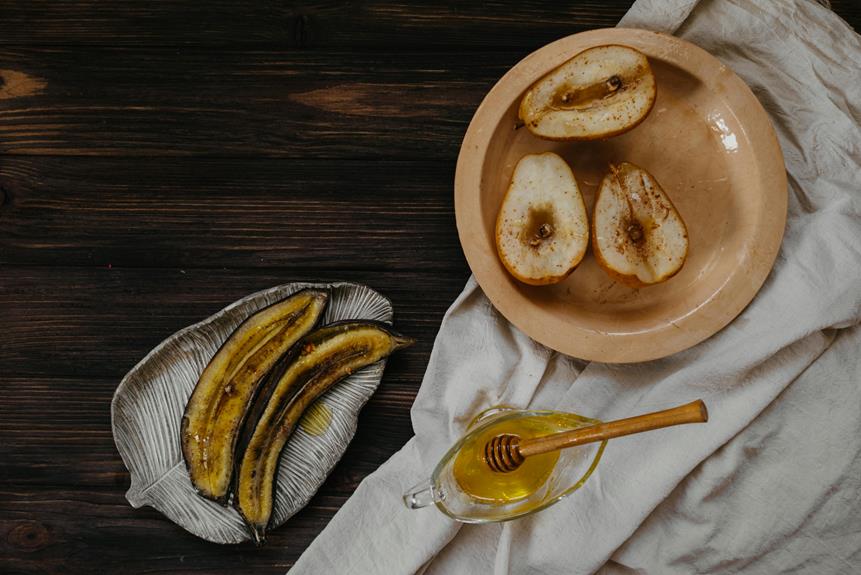
  • Warm Ginger Pear Tarts Unveiled meld tender pears with spicy ginger in a buttery pastry crust, evoking the cozy warmth of a crackling fire.
  • Cinnamon Swirl Brioche Donuts envelop sweet aromas of warm cinnamon around tender, buttery dough for a delightful morning treat that satisfies the sweet tooth.

Spicy Chai Crème Brûlée Delights

What makes Spicy Chai Crème Brûlée Delights so alluring is the unexpected kick of warm spices like cinnamon, cardamom, and ginger that complements the richness of creamy custard.

As you take your first bite, the aromatic flavors transport you to the bustling streets of India, where the art of blending spices is an ancient tradition.

When it comes to Chai Pairings, you’ll find that these Delights pair perfectly with a strong black tea, allowing the spices to shine. If you’re feeling adventurous, try pairing it with a rooibos chai for a caffeine-free treat.

But what about Spice Levels? Don’t worry, these Delights cater to all palates.

If you prefer a subtle hint of spice, you can opt for a lighter version. However, if you’re a thrill-seeker, you can crank up the heat with an extra kick of ginger or cinnamon.

Whatever your preference, the Spicy Chai Crème Brûlée Delights are sure to tantalize your taste buds and leave you craving more.

Saffron Sunset Panna Cotta Dreams

As you move on from the spicy kick of the Chai Crème Brûlée Delights, you’ll find yourself enchanted by the subtle, golden warmth of Saffron Sunset Panna Cotta Dreams.

This dessert is a masterclass in subtlety, with the delicate threads of saffron infusing the creamy panna cotta with a soft, sun-kissed glow. You’ll be transported to a warm summer evening, surrounded by the vibrant hues of a sunset.

But what if you can’t get your hands on high-quality saffron?

Fear not! Saffron substitutes like turmeric or annatto can add a similar warmth and depth to your panna cotta. Just be sure to adjust the amount according to the substitute’s potency.

When it comes to Sunset inspirations, think beyond the classic orange and pink hues.

Consider adding a touch of coral or peach to evoke the soft, gentle tones of a desert sunset. As you take your first bite, you’ll be swept away by the dreamy, ethereal quality of this Saffron Sunset Panna Cotta.

Cardamom Crush Chocolate Truffles

Indulge in the aromatic allure of Cardamom Crush Chocolate Truffles, where the sweetness of rich, velvety chocolate is perfectly balanced by the warm, spicy essence of ground cardamom.

As you take a bite, the Cardamom pairing unfolds, revealing a harmonious marriage of flavors that will leave you wanting more.

Experience the luxurious Truffle texture, smooth and creamy, melting in your mouth.

Discover the subtle yet distinctive flavor of cardamom, adding a unique twist to the classic chocolate truffle.

Enjoy the perfect balance of sweet and spicy, a match made in heaven that will tantalize your taste buds.

The Cardamom Crush Chocolate Truffles are a masterclass in combining the familiar with the exotic.

The warm, aromatic flavor of cardamom complements the richness of the chocolate, creating a truly unique dessert experience.

Whether you’re a chocolate connoisseur or an adventurous foodie, these truffles are sure to delight and surprise.

Warm Ginger Pear Tarts Unveiled

You’ll be enchanted by the Warm Ginger Pear Tarts, where tender pears and spicy ginger meld together in a buttery pastry crust, evoking the cozy warmth of a crackling fire on a winter’s night.

The sweetness of the pears is perfectly balanced by the spicy kick of the ginger, creating a harmonious blend of flavors.

When it comes to Pear Pairings, you can’t go wrong with a classic combination like Bartlett and Anjou pears.

The tender flesh of these pears absorbs the warmth of the ginger beautifully, making each bite a delight.

But what really sets these tarts apart is the variety of Ginger Varieties used.

From the spicy warmth of young ginger to the earthy undertones of older ginger, each type adds a unique dimension to the flavor profile.

You might find that you prefer the subtle sweetness of Japanese ginger or the bold punch of Indian ginger.

Whichever variety you choose, the result is a dessert that’s both familiar and exotic, comforting and adventurous all at once.


Cinnamon Swirl Brioche Donuts

Sweet aromas of warm cinnamon envelop you as you take a bite of the Cinnamon Swirl Brioche Donuts, where tender, buttery dough is infused with the comforting spice.

The sweetness of the cinnamon perfectly balances the richness of the brioche, making it a delightful morning treat. You’ll find yourself craving these donuts as soon as you wake up, and they’re perfect for pairing with a warm cup of coffee or tea.

  • Indulge in the soft, fluffy texture and the sweet cinnamon aroma that fills the air
  • Experiment with different Donut Variations, such as adding a caramel drizzle or chopped nuts for extra flavor and texture
  • Start your day off right with these sweet Morning Treats that are sure to satisfy your sweet tooth

These Cinnamon Swirl Brioche Donuts are a game-changer for your breakfast routine.

Whether you’re in the mood for something sweet and comforting or looking to impress your brunch guests, these donuts are sure to hit the spot.

Frequently Asked Questions

Can I Substitute Spices With Similar Flavor Profiles?

When substituting spices, you’ll find success by using Flavor Mapping and considering the Spice Hierarchy. You can swap similar flavor profiles, but keep in mind that each spice has a unique character, so it’s not always a 1:1 substitution.

How Do I Store Exotic Spice-Infused Desserts?

“A bird in the hand is worth two in the bush,” so store your treasures wisely! When storing exotic-infused treats, you’ll want to keep them in air-tight containers to preserve flavors and textures, making them freezer-friendly for up to 3 months.

Are These Desserts Suitable for Special Diets Like Gluten-Free or Vegan?

When considering special diets, you’ll want to guarantee your treats meet dietary restrictions. Check labeling requirements for gluten-free or vegan certifications, and be prepared to disclose ingredients to cater to customers with specific needs.

Can I Use Pre-Ground Spices Instead of Whole Spices?

As you’re likely aware, pre-ground spices are convenient, but coincidentally, they often sacrifice flavor and aroma. When it comes to freshness comparison, whole spices win hands down. You’ll notice a difference in grinding methods, too, so it’s worth the extra effort to grind your own.

How Far in Advance Can I Prepare These Dessert Components?

You’re wondering how far in advance you can prep dessert components. Generally, make-ahead strategies work well, but freshness impact varies by ingredient. For best results, prepare wet ingredients just before assembly, while dry components can be made up to a week ahead.

Conclusion

As you take your last bite, the flavors of these exotic desserts linger, leaving you feeling like a 21st-century Maharaja, ruler of a kingdom of sweet indulgences.

You’ve time-traveled through the spice routes, collecting memories of Saffron sunsets, Cardamom crushes, and Cinnamon swirls.

The verdict is in: these spicy desserts are the perfect blend of old-world charm and modern taste.

Now, go forth and conquer the world, one deliciously spiced dessert at a time!

Warm up to a world of aromatic desserts where exotic spices like cinnamon, cardamom, and ginger tantalize your taste buds.

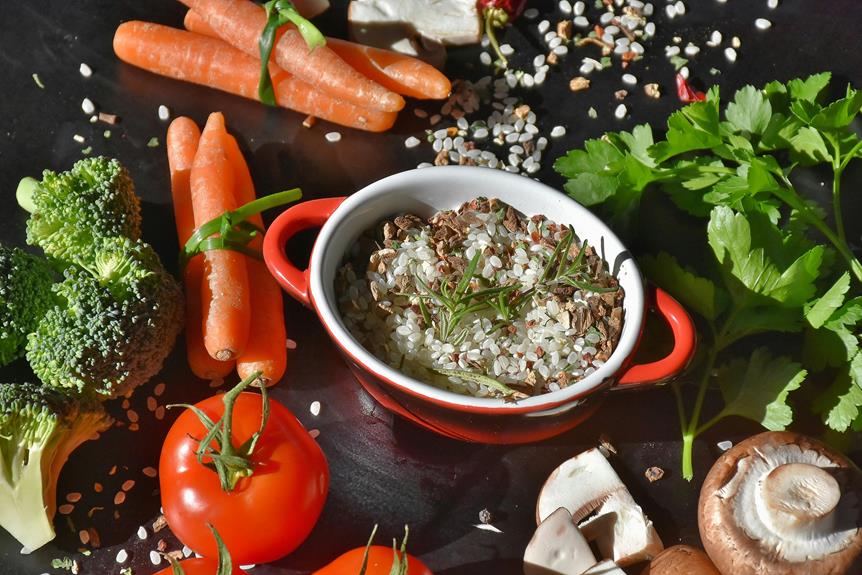
You're about to discover the secret to elevating your vegetable dishes from bland to grand, and it all starts with the right spices. By pairing carrots with smoky cumin, you'll tap into a deep, savory flavor. Add a pinch of paprika to your pumpkin soup for a spicy kick. Lemon and garlic will balance out the bitterness of broccoli, while cinnamon will elevate sweet potato fries to new heights. And that's just the beginning – learn how to harness the power of spices like turmeric, garam masala, and more to create dishes that will leave your taste buds singing, and leave you wondering what other flavor combinations await.

Key Takeaways

  • Smoky cumin and paprika elevate carrot and pumpkin dishes, respectively, with their deep, savory flavors.
  • Turmeric and cinnamon add warm, earthy notes to cauliflower and sweet potato dishes, enhancing their natural sweetness.
  • Garam masala balances bitter undertones with warm notes, creating a unique flavor dimension in Brussels sprouts.
  • Roasting vegetables like carrots and Brussels sprouts brings out their natural sweetness and adds depth to their flavor profiles.
  • Harmonious balances of flavor profiles are achieved by combining sweet, spicy, and bitter notes in vegetable dishes.

Roasted Carrots With Smoky Cumin

Take 2-3 pounds of carrots and toss them with 2 tablespoons of olive oil, 1 teaspoon of smoky cumin, and a pinch of salt to bring out their natural sweetness.

As you roast these carrots, you'll be building on a rich Carrot History that dates back over 1,000 years. Did you know that carrots were first cultivated in ancient Persia, where they were prized for their sweet, earthy flavor?

Today, you can enhance that flavor with the art of Spice Blending. Smoky cumin adds a deep, savory note that complements the carrots' natural sweetness. As you blend the spices, remember that the key is balance – you want to enhance the carrots' flavor without overpowering them.

Roast the carrots in the oven until they're tender and caramelized, then serve them as a side dish or add them to salads or stews. With these simple steps, you'll tap into the full potential of this humble root vegetable and experience the magic of Spice Blending.

Spicy Pumpkin Soup With Paprika

As you move from the warmth of roasted carrots to the comfort of a hearty soup, you'll find that the smoky depth of paprika perfectly complements the sweetness of pumpkin in this spicy soup recipe.

This autumnal delight is perfect for the cooler months, and you can use a variety of pumpkin types, such as Butternut or Kabocha, to create a rich and creamy texture.

When it comes to the soup's texture, you can choose to puree it to a silky smoothness or leave it chunky, depending on your preference.

The smokiness of the paprika pairs beautifully with the natural sweetness of the pumpkin, and a dash of cayenne pepper adds a welcome kick of heat.

As you take your first spoonful, the flavors will meld together in a harmonious balance of sweet, smoky, and spicy.

This spicy pumpkin soup with paprika is a true comfort food that's sure to become a staple in your kitchen during the fall and winter seasons.

Lemon Garlic Broccoli Delight

You'll brighten up your meals with the zesty fusion of lemon and garlic in this broccoli delight, where the subtle bitterness of the vegetable is perfectly balanced by the citrusy zing. As you take a bite, the aromatic flavors will transport you to a sunny day, filled with liveliness and energy.

Vibrant green broccoli florets, steamed to perfection to retain their crunch and nutrient density.

Zesty lemon juice, squeezed fresh to add a burst of citrus flavor and a hint of brightness.

Savory garlic, minced to release its pungent flavor and aroma, adding depth to the dish.

The Flavor Profile of this Lemon Garlic Broccoli Delight is a masterclass in balance, with the bitterness of broccoli offset by the sweetness of lemon and the pungency of garlic.

This dish isn't only a treat for your taste buds but also provides a Nutrient Boost, packed with vitamins, antioxidants, and fiber to keep you going all day long.

Cinnamon Glazed Sweet Potato Fries

Indulge in the sweet and spicy fusion of cinnamon glazed sweet potato fries, where the comforting warmth of cinnamon perfectly complements the natural sweetness of sweet potatoes, crisped to a golden perfection.

As you take your first bite, the aroma of cinnamon wafts up, teasing your senses and setting the tone for a flavor adventure. The sweet potato, with its inherent sweetness, provides a sturdy base for the bold, warm spice.

The result is a flavor profile that's both familiar and excitingly new.

When you sprinkle cinnamon over your sweet potato fries, you're not just adding a spice – you're elevating the entire dish.

The sweetness of the sweet potato is balanced by the heat of the cinnamon, creating a delightful harmony of flavors. The crispy exterior gives way to a fluffy interior, coating your taste buds with the perfect blend of sweet and spicy.

With every bite, you'll find yourself craving more of this addictive flavor combination.

Indian-Style Cauliflower Curry

Now that you've experienced the sweetness and heat of cinnamon glazed sweet potato fries, let's explore the bold, aromatic flavors of Indian-style cauliflower curry, where a medley of spices takes center stage.

This dish isn't only a treat for your taste buds, but it's also packed with cauliflower benefits, including high vitamin C content, anti-inflammatory properties, and support for healthy digestion.

As you take your first bite, imagine the explosion of flavors and textures:

Turmeric's warm, golden hue infusing the cauliflower with a subtle earthiness.

Cumin's earthy, slightly spicy zing adding depth to each bite.

Garam masala's aromatic, slightly sweet essence transporting you to the spice markets of India.

With its versatility, Indian-style cauliflower curry can be tailored to your taste preferences, from mild and creamy to bold and spicy.

You can experiment with different curry variations, such as adding coconut milk for creaminess or using different types of peppers for varying heat levels.

Whether you're a seasoned spice enthusiast or a newcomer to Indian cuisine, this dish is sure to delight and leave you craving more.

Zesty Green Beans With Lemon Zest

With a burst of citrusy freshness, zesty green beans with lemon zest add a vibrant twist to your vegetable repertoire.

You'll love how the brightness of the lemon complements the natural sweetness of the green beans. To make this dish shine, you'll want to focus on fresh pairings that elevate the flavors.

Try combining the green beans with toasted almonds or crispy shallots for a satisfying crunch. For an added layer of depth, sprinkle some grated Parmesan cheese on top.

When it comes to citrus variations, don't be afraid to experiment.

Swap out the lemon zest for orange or lime to create a unique flavor profile. You can also add a squeeze of fresh juice to the green beans for an extra burst of citrus.

To take it up a notch, try adding some diced citrus segments, like blood orange or Meyer lemon, to the dish for a pop of color and flavor.

With these simple tweaks, you'll be able to create a zesty green bean dish that's sure to impress.

Smoky Eggplant Parmesan Delight

You'll add a smoky depth to your eggplant parmesan by charring the eggplant slices over an open flame or in the oven before layering them with rich tomato sauce and melted mozzarella cheese.

This step brings out the natural sweetness in the eggplant, balancing the savory flavors of the dish.

Imagine sinking your teeth into a crispy, golden-brown eggplant slice, surrounded by:

Velvety tomato sauce, infused with garlic and herbs, coating your taste buds with richness.

Melted mozzarella strings, pulling apart to reveal a gooey, cheesy center.

Fresh basil leaves, adding a pop of color and freshness to each bite.

When choosing eggplant varieties, opt for Italian or Japanese varieties, like Bianca or Fairy Eggplant, for their tender skin and fewer seeds.

For a vegan twist, swap Parmesan alternatives like nutritional yeast or cashew cheese for a similar umami flavor.

With these simple tweaks, your smoky eggplant parmesan will become a show-stopping centerpiece for any dinner party.

Herby Quinoa Stuffed Bell Peppers

Roasting bell peppers brings out their natural sweetness, making them the perfect vessel for a flavorful filling like herby quinoa.

You'll love how the slightly charred exterior gives way to a tender, juicy interior, providing a delightful contrast in texture.

To add fresh textures and Flavorful layers to your dish, mix cooked quinoa with chopped fresh herbs like parsley, basil, or cilantro.

Then, add some crunch with toasted pine nuts or chopped almonds.

A squeeze of lemon juice and a sprinkle of crumbled feta cheese will add brightness and tanginess to the filling.

When you fill the bell peppers with this herby quinoa mixture, you'll create a visually appealing dish that's both healthy and satisfying.

The quinoa will absorb the flavors of the herbs and spices, while the bell peppers will add a pop of color and sweetness.

With each bite, you'll experience a harmonious balance of fresh textures and Flavorful layers that will leave you wanting more.

Garam Masala Roasted Brussels Sprouts

Add a pinch of warmth to your winter meals by sprinkling Garam Masala over Brussels sprouts before roasting them to caramelized perfection.

This Indian spice blend adds a unique flavor dimension to the humble vegetable, balancing its natural bitter undertones with warm, aromatic notes.

As you roast the Brussels sprouts, the Garam Masala infuses into every bite, elevating the dish to new heights.

  1. Caramelized sweetness: The natural sugars in the Brussels sprouts caramelize, creating a deep, rich flavor.
  2. Warm, aromatic spices: The Garam Masala adds a comforting, warming quality to the dish, reminiscent of Indian cuisine.
  3. Balanced flavor profiles: The bitter undertones of the Brussels sprouts are balanced by the sweet, spicy flavors of the Garam Masala, creating a harmonious flavor profile.

Chimichurri Grilled Asparagus Skewers

As you shift from the warmth of winter to the vibrancy of spring, refresh your palate with the bright, zesty flavors of Chimichurri Grilled Asparagus Skewers.

These skewers are a perfect representation of the season's awakening, bursting with freshness and flavor. Inspired by Argentinian cuisine, the tangy and herby chimichurri sauce brings a new dimension to the humble asparagus.

To make these skewers, simply alternate asparagus spears with cherry tomatoes on wooden skewers, brush with olive oil, and season with salt and pepper.

Grill over medium heat until tender, then serve with a dollop of chimichurri sauce made with parsley, oregano, garlic, red pepper flakes, red wine vinegar, and olive oil.

The combination is nothing short of magical, and it's an ideal side dish for your summer barbecues. With its vibrant colors and bold flavors, this dish is sure to impress your guests and leave them craving more.

Frequently Asked Questions

Can Spices Be Substituted With Herbs in Vegetable Dishes?

When experimenting with flavors, you wonder if spices can be substituted with herbs. The answer is yes, and it's all about creating a Fresh Fusion of flavors or an Herbal Harmony that elevates your dish, even if it's a swap.

Do Spices Lose Flavor When Stored for a Long Time?

You know how a once-vibrant bouquet of flowers wilts with time? Similarly, spices can lose their potency when stored for too long, making freshness testing essential to determine their shelf life and ideal usage.

Are Spicy Vegetable Dishes Suitable for Kids?

You wonder if spicy dishes are suitable for kids; while they may not be, you can offer kid-friendly alternatives. Age-based restrictions apply, but you can introduce mild spices gradually, teaching them to appreciate flavor without the heat.

Can I Use Spice Blends Instead of Individual Spices?

As you step into the world of spice exploration, you wonder if convenience can meet flavor. Yes, you can use spice blends instead of individual spices, leveraging custom blends to craft unique flavor profiles that tantalize your taste buds.

How Do I Adjust Spice Levels for Different Taste Preferences?

You adjust spice levels by considering cultural influences and personal tolerance; start with small amounts, taste, and add more heat or flavor to suit individual preferences, and don't be afraid to ask how spicy they like it.

Conclusion

You've just discovered the secret to taking your veggie dishes from bland to grand!

By incorporating the right spices, you can elevate your meals to a whole new level.

And, did you know that 75% of Americans don't eat enough fruits and veggies?

By incorporating these flavorful recipes into your routine, you'll not only tantalize your taste buds but also contribute to a healthier you!

Awaken the hidden flavors of your vegetable dishes with the perfect blend of spices that will take your cooking to the next level.

You're about to take your meat cooking to the next level with the art of spice-rubbing. First, prep your meat by patting it dry and sprinkling a generous amount of spice rub on all surfaces. Massage the spices into the meat to enhance texture and flavor. Choose the right cut of meat, like ribeye or pork belly, and consider flavor profiles like Korean chili flakes or Indian garam masala. Experiment with global spices and custom blends to create your signature flavor. With the right techniques, you'll achieve a mouthwatering crust and reveal a world of flavors – and there's still so much to discover.

Key Takeaways

  • Preparing meat surface by patting dry with paper towel ensures even spice rub adhesion for maximum flavor penetration.
  • Massaging spices into meat enhances final dish texture and helps to distribute flavors evenly.
  • Choosing the right cuts of meat, such as those with high marbling, ensures tenderness and flavor in the final dish.
  • Building a custom spice blend requires identifying flavor characteristics, experimenting with ratios, and considering meat type and dietary restrictions.
  • Achieving a perfect crust requires an even spice rub coating, proper resting time, and controlled temperature to prevent burning or undercooking.

Essential Spice-Rubbing Techniques

You'll get the most out of your spice rubs by mastering a few essential techniques that facilitate even coverage and maximum flavor penetration.

The key is to make certain every bite of your spice-rubbed meat is infused with the perfect blend of flavors.

To achieve this, start by preparing your meat surface. Pat the meat dry with a paper towel to remove excess moisture, allowing the spice rub to adhere evenly.

Next, sprinkle the spice rub liberally, making sure to cover all surfaces.

Use your hands or a spatula to gently massage the spices into the meat, taking care not to press too hard and compact the meat fibers.

This helps to enhance the texture of the final dish.

When applying the spice rub, consider the flavor profiles you want to achieve.

For example, a bold, smoky flavor might require a heavier hand, while a lighter, more delicate flavor might need a more subtle approach.

Choosing the Right Cuts of Meat

Selecting the ideal cut of meat is essential, as it can either elevate or undermine the flavor and texture of your spice-rubbed creations.

You want to choose cuts that are rich in marbling, as this will add tenderness and flavor to your final product. Meat grading is also vital, as it indicates the quality of the meat. Look for high-grade meats, such as USDA Prime or Choice, which have more marbling and are less likely to be tough.

When selecting beef, opt for cuts like ribeye, strip loin, or porterhouse, which are known for their rich marbling.

For pork, choose cuts like pork belly, baby back ribs, or Boston butt, which are also high in marbling.

If you're working with chicken, look for thighs or drumsticks, which have more fat and will stay moist when cooked.

Classic BBQ Spice Rub Recipes

With your ideal cuts of meat in hand, it's time to add the magic that'll make them truly unforgettable – a classic BBQ spice rub recipe that'll complement their natural flavors.

You'll find that different regional variations of BBQ spice rubs offer unique flavor profiles that can enhance your meats.

For instance, a Kansas City-style rub will typically feature a sweet and tangy blend of spices, while a Texas-style rub will be more savory and smoky.

A Memphis-style rub, on the other hand, will often have a slightly sweet and spicy kick.

When choosing a classic BBQ spice rub recipe, consider the type of meat you're working with and the flavor profile you want to achieve.

Do you want a bold, smoky flavor or a sweeter, more complex taste?

Global Inspiration for Spice Rubs

Take your BBQ game to the next level by exploring the diverse and vibrant world of global spice rubs, where international flavors and ingredients can add exciting twists to your classic BBQ creations.

You'll discover that different cultures have their own unique spice blends, each with its own distinct flavor profile. For instance, Korean chili flakes, known as gochugaru, add a bold, spicy kick, while Indian garam masala brings a warm, aromatic flavor.

Explore the Spice Routes of the Middle East, where cumin, coriander, and sumac create a rich, earthy flavor.

In Africa, berbere spice, with its blend of chili peppers, garlic, and coriander, adds a bold, savory flavor. Meanwhile, in Latin America, achiote paste, made from annatto seeds, gives meats a deep, slightly sweet flavor.

Building a Custom Spice Blend

You're now ready to craft your own signature spice blend, combining the global flavors you've discovered to create a unique flavor profile that reflects your personal taste.

This is where flavor profiling comes in – understanding how different spices interact with each other and your taste buds. Start by identifying the flavor characteristics you enjoy most, such as sweet, smoky, or tangy. Then, think about the spice psychology behind your choices – do you crave comfort foods or bold adventures?

Next, experiment with different ratios of spices to find your perfect balance. Remember, a little goes a long way, so start with small batches and adjust to taste.

Don't be afraid to try new combinations or substitute spices to create a truly custom blend. Consider the type of meat you'll be using the spice blend on, as well as any dietary restrictions or preferences.

With a little patience and practice, you'll be creating signature spice blends that elevate your dishes and impress your friends.

Spice Rubs for Poultry and Pork

Rub your poultry and pork with a blend of spices that complements their rich flavors, and get ready to elevate your grilling game.

When it comes to Poultry Pairings, you'll want to focus on lighter, brighter flavors that won't overpower the delicate taste of chicken, turkey, or duck. Try combining herbs like thyme, rosemary, and sage with citrus zest and a hint of cumin for a lively twist.

For Pork Perfection, you can opt for bolder, sweeter flavors that complement the richness of the meat. A blend of brown sugar, smoked paprika, and a pinch of cayenne pepper creates a mouthwatering crust that's both sweet and savory.

Don't be afraid to experiment and adjust the proportions to suit your personal taste. Remember, the key is to enhance the natural flavors of the meat without overpowering them.

With these spice rubs, you'll be on your way to creating mouthwatering, restaurant-quality dishes that'll impress even the pickiest eaters.

Rubs for Beef and Lamb

When grilling beef or lamb, you'll want to opt for robust, savory flavors that can stand up to the bold, meaty taste of these red meats.

For beef, you can create a flavor profile that's both classic and complex by combining paprika, garlic powder, onion powder, salt, and black pepper. This blend will enhance the natural richness of the beef without overpowering it.

For lamb, you can draw inspiration from the cultural significance of Mediterranean cuisine, where lamb is a staple. A rub featuring oregano, thyme, rosemary, and lemon zest will evoke the bright, herbaceous flavors of the Mediterranean.

Alternatively, you can take a cue from Indian cuisine, where lamb is often seasoned with warm spices like cumin, coriander, and cinnamon. These bold flavors will complement the lamb's gaminess and create a truly memorable dish.

In both cases, the key is to choose flavors that complement the natural characteristics of the meat. By doing so, you'll be able to create spice rubs that not only elevate the flavor of your beef and lamb but also pay homage to their cultural significance.

Cooking Methods for Spice-Rubbed Meats

With your spice-rubbed meats ready to go, it's time to think about the best cooking methods to bring out their full flavor potential.

Grilling is an excellent option, as it adds a nice char to the outside while locking in the juices. For perfect grilling, make sure to preheat your grill to medium-high heat, and cook for 4-5 minutes per side, or until you reach your desired level of doneness. Don't press down on the meat with your spatula, as this can squeeze out juices and make the meat dry.

If you prefer a more low-maintenance approach, oven braising is a great alternative. This method allows the meat to cook slowly in liquid, resulting in tender, fall-apart texture. Simply season the meat, sear it in a hot pan, and then transfer it to a Dutch oven with some liquid (such as stock or wine) and let it cook in the oven for 2-3 hours.

Regardless of the method you choose, the key is to cook the meat to the right temperature and let it rest before slicing and serving. By following these tips, you'll be able to achieve deliciously flavorful spice-rubbed meats that will impress anyone.

Tips for Achieving Perfect Crust

You'll want to pay close attention to the cooking process to achieve a perfect crust on your spice-rubbed meats, as it's this exterior layer that adds a satisfying textural element to each bite.

To get it right, you'll need to monitor the crust color, aiming for a deep brown that's not too dark or too light. This will result in a rich, caramelized flavor that complements the spices.

Another vital factor is fat distribution. Meats with a good balance of marbling will produce a more tender, juicy crust.

When cooking, make sure to let the meat develop a nice sear on the first side before flipping – this will help lock in the juices and create a crispy exterior. Don't press down on the meat with your spatula, as this can squeeze out the fat and prevent a nice crust from forming.

Frequently Asked Questions

Can I Use Spice Rubs on Vegetables and Seafood Too?

You're not limited to meats! You can definitely use spice rubs on vegetables and seafood to create amazing Grilled Delicacies, enhancing their natural Flavor Profiles with a boost of flavor and aroma.

How Do I Store Leftover Spice Rub to Maintain Freshness?

Like a treasure chest overflowing with flavors, you want to preserve that precious leftover spice rub! Store it in airtight containers on a cool, dark spice shelf to maintain freshness, and it'll remain potent for your next culinary adventure.

Are Spice Rubs Suitable for People With Dietary Restrictions?

You wonder if spice rubs fit your dietary needs. Fortunately, many spice rubs are naturally gluten-free, and you can find vegan alternatives by swapping out animal-derived ingredients for plant-based ones, making it easy to adapt to your lifestyle.

Can I Make Spice Rubs in Advance for Meal Prep?

You can definitely prep spice rubs ahead of time, and batching strategies can save you time. Just be mindful of shelf life, as flavors may degrade over time, but most blends will last 6-12 months when stored properly.

Do Spice Rubs Work Well With Slow Cooker or Instant Pot Recipes?

You'll find that spice rubs work amazingly well with slow cooker or Instant Pot recipes, as the low heat and pressure cooking tenderization methods help break down the spices, infusing deep flavors into your meats.

Conclusion

You've mastered the art of spice-rubbing, from classic BBQ flavors to global inspirations.

You've crafted custom blends and experimented with different cooking methods.

But the true test lies in the first bite – the crunch of the crust giving way to tender, juicy meat.

It's a contrast that's both familiar and exciting, comfort food elevated to an art form.

Now, go forth and rub those spices, and savor the perfect harmony of flavors and textures.

Savory secrets await as you unlock the art of spice-rubbing, elevating your meat dishes to unprecedented heights of flavor and texture.

You're probably wondering if those spices in your pantry are still good to use. Check the expiration date on the container to start – if it's passed, it's best to err on the side of caution and discard it. Give the spice a sniff to check for unusual odors or a dull, stale aroma. Inspect the container for mold, tiny holes, or actual insects. If you notice any of these signs, it's time to toss the spice. By keeping an eye out for these red flags, you'll be able to enjoy the best flavor and aroma from your spices. Now, take a closer look at your spice collection – what else might you be missing?

Key Takeaways

  • Check the expiration date on the spice container to determine if the spices are still good to use, as they typically have a shelf life of one to three years.
  • Inspect the spice for visible signs of mold, which can appear as white, green, or black patches on the surface, and dispose of it immediately if found.
  • Trust your nose and give the spice a good sniff to check for unusual odors, as a lack of characteristic aroma or unpleasant smell can indicate spoilage.
  • Look for signs of infestation, such as tiny holes, webs, or actual insects, and discard the spice if you find any evidence of pests.
  • Check the spice's texture and appearance, as discoloration, clumping, or caking can be signs of spoilage and indicate that it's time to replace the spice.

Check the Expiration Date

By checking the expiration date on the spice container, you can quickly determine if the spices are still good to use. This date is usually stamped on the packaging by the manufacturer, indicating the recommended shelf life of the product.

Spices typically have a shelf life of one to three years, depending on the type and manufacturing processes used.

When checking the expiration date, make sure to look for the 'best by' or 'best if used by' label, which indicates the date by which the spice is expected to retain its flavor and aroma.

If the date has passed, it's best to err on the side of caution and discard the spice. Packaging regulations require manufacturers to provide this information to guarantee consumer safety.

Look for Visible Mold

You can also inspect the spice for visible signs of mold, which often appear as white, green, or black patches on the surface.

If you notice any mold, it's a clear indication that the spice has gone bad. Mold can be a serious issue, especially for those who suffer from mold allergy. Inhaling mold spores can trigger allergic reactions, respiratory issues, and even asthma attacks.

When checking for mold, make sure to inspect the spice container and lid as well. Sometimes, mold can grow on the inside of the lid or on the rim of the container.

If you find any mold, immediate disposal is vital to prevent cross-contamination with other spices. Regular household cleaning practices, such as wiping down surfaces and storing spices in a cool, dry place, can help prevent mold growth. However, if you do notice mold, prompt action is necessary to avoid any potential health risks.

Smell for Unusual Odors

When you're unsure, trust your nose. Give the spice a good sniff. If it smells stale, sour, or bitter, it's likely past its freshness threshold.

Fresh spices usually have vibrant, distinct odor profiles. For instance, cinnamon should evoke warmth and sweetness, while basil should transport you to a sunny garden.

If your spice lacks its characteristic aroma or emits an unpleasant smell, it's a sign of degradation. Musty or damp odors can indicate mold growth, which is a clear indication that the spice has gone bad.

Pay attention to any unusual odors, as they can be a subtle sign that your spice is no longer good to use. Remember, your sense of smell is a powerful tool in determining the quality of your spices. So, take a deep sniff and trust your instincts.

Test the Spice's Aroma

Take a small amount of the spice and rub it between your fingers to release its aromatic oils, then bring it to your nose for a more intense sniff. This will help you detect any changes in the spice's aroma.

Fresh spices typically have a vibrant, distinctive scent that's characteristic of their specific spice profile. When you take a whiff, pay attention to the fragrance layers – do you smell the expected warm, earthy notes of cumin or the bright, citrusy zing of coriander?

If the aroma is dull, stale, or lacking depth, it may be a sign that the spice has gone bad. Compare the scent to your memory of the spice when it was fresh – has it lost its potency or developed an off-putting smell?

If so, it's likely time to replace it. Remember, a good spice should have a robust, inviting aroma that adds depth and complexity to your dishes.

Check for Insect Infestation

Inspect the spice container or bag for tiny holes, webs, or actual insects, as pests like moths, beetles, or mites can infest spices and contaminate them. Regularly check for signs of infestation, especially if you store your spices in a pantry or cupboard that's not well-sealed or is prone to moisture.

When you're checking for insects, also take a closer look at your storage containers. Are they airtight and clean? If you're using plastic bags or cardboard containers, consider switching to glass jars or containers with tight-fitting lids to prevent pests from getting in.

Good pantry cleanliness is crucial for preventing infestations, so make sure to wipe down shelves and containers regularly.

If you do find insects or signs of infestation, you must discard the spice immediately. Don't try to salvage it, as the insects can lay eggs or leave behind contaminants that can affect the flavor and quality of your food.

Inspect for Clumping or Caking

Clumps or cakes forming in your spices can be a sign of moisture exposure, so check for any unusual texture or lumpiness when you scoop or pour your spices. This is especially important if you live in an area with high humidity levels, as moisture can seep into your spice containers and cause them to clump or cake.

When you're inspecting your spices, pay attention to how they flow out of the container. If they're forming clumps or sticking together, it may be a sign that they've gone bad.

Take a closer look at your storage conditions, too. Are your spices stored in a cool, dry place, or are they exposed to heat, light, or moisture?

If your spices are stored in a humid environment, it's more likely that they'll clump or cake. Check the expiration dates on your spices and consider transferring them to airtight containers to keep them fresh.

Evaluate the Spice's Color

Checking the color of your spices can reveal subtle changes that might indicate spoilage.

You're looking for any deviation from the spice's typical vibrant color. Faded hues or a dull appearance can be a sign that your spice has gone bad.

For instance, if your paprika has lost its deep red color and now looks more orange or brown, it's likely past its prime. Similarly, if your turmeric has turned from a bright yellow to a dull beige, it's time to replace it.

A color shift can also be a sign of spoilage.

If your spice has developed an unusual color or tint, it's best to err on the side of caution and discard it. For example, if your cinnamon has developed a greenish tint, it may have been contaminated with mold or other impurities.

Remember, spices are meant to add flavor and color to your dishes, so if they've lost their vibrancy, they're not doing their job.

Take a close look at your spices and if you notice any unusual color changes, it's time to restock.

Check the Spice's Texture

As you're examining your spices for signs of spoilage, don't forget to run your fingers through them, as a change in texture can be just as telling as a change in color.

Fresh spices typically have a smooth, even texture. If you notice your spices have developed a grainy consistency, it may be a sign they've gone bad. This is especially true for spices like cinnamon, nutmeg, or ginger, which should have a fine, powdered density when fresh.

When checking the texture, pay attention to any clumping or lumping. If your spices have formed clumps or lumps, it's likely they've absorbed moisture from the air, which can cause them to spoil faster.

Similarly, if your spices feel damp or sticky to the touch, it's a sign they've gone bad.

Perform a Flavor Test

When you're still unsure about the freshness of your spices after examining their appearance and texture, perform a flavor test by adding a small amount to a dish or mixing it with a small amount of water to release its aroma and taste.

This test will help you determine if the spice has retained its original flavor profile.

Take a small bite or sniff the mixture, and compare it to your taste memories of the spice when it was fresh.

If the flavor is dull, stale, or unpleasantly bitter, it's likely gone bad.

On the other hand, if the aroma and taste are vibrant and familiar, the spice is likely still good to use.

Be cautious not to add too much of the spice, as this can overpower the dish and make it inedible.

Store Spices Properly to Extend Life

You can substantially extend the shelf life of your spices by storing them in a cool, dark place, away from direct sunlight and moisture. This cool darkness helps to preserve the essential oils and flavors within your spices, keeping them fresh for a longer period.

To take it a step further, follow these storage tips:

  1. Use Airtight Containers: Transfer your spices to airtight containers to prevent air, light, and moisture from seeping in.
  2. Keep Them Away from Heat Sources: Store your spices away from ovens, stoves, and heaters, as heat can cause spices to lose their flavor and aroma.
  3. Don't Store Spices Near a Window: Direct sunlight can cause spices to fade and lose their potency, so keep them away from windows and direct sunlight.
  4. Label and Date Your Containers: Label and date your spice containers so you can easily keep track of how long they've been stored.

Frequently Asked Questions

Can Spices Be Revived if They're Stored Improperly?

If you've stored spices improperly, don't toss them yet! You can try spice restoration by transferring them to airtight containers, keeping them away from light and heat. This might spark a flavor rebirth, and you'll be enjoying your spices again in no time!

How Long Do Spices Typically Retain Their Flavor?

Spices are like time capsules, holding flavor secrets within. Typically, you can savor their peak flavor profile for 6 months to 3 years, depending on the type, if you store them properly in a cool, dark place.

Are All Spices Affected Equally by Moisture?

You'll find that not all spices are created equal when it comes to moisture sensitivity; some spice varieties, like delicate herbs, are more prone to spoilage in high humidity levels, while others, like robust spices, can withstand it better.

Can Spices Be Frozen to Prolong Their Shelf Life?

You're wise to wonder if freezing spices can extend their shelf life. Fortunately, yes, you can freeze them! With proper Freezer Organization, you'll get a Freshness Guarantee, preserving flavors and aromas for a longer, more delightful cooking experience.

Do Whole Spices Last Longer Than Ground Spices?

You'll find that whole spices generally last longer than ground spices since they're less exposed to oxidation, and their slower oxidation rates help preserve flavor. Grinding methods also impact shelf life, as finer grinds lead to faster spoilage.

Conclusion

You've checked the expiration date, sniffed out unusual odors, and tested the aroma – now you know if your spices have gone bad.

Think of your spice rack as a garden: with proper care and attention, your spices will flourish, but neglect them and they'll wither away.

By following these simple steps, you'll be able to pinpoint when it's time to replant, err, restock your spices, ensuring your dishes stay flavorful and fresh.

Halt spoilage and savor flavor by learning the subtle signs that indicate your spices have gone bad.